Papaipema sauzalitae
Grote, 1875
figwort stem borer
Papaipema sauzalitae, commonly known as the figwort stem borer, is a noctuid first described by Grote in 1875. The species belongs to the Papaipema, a group of stem-boring moths whose larvae tunnel into the stems of herbaceous plants. Its indicates a specialized relationship with figwort (Scrophularia) plants. The species is recorded from North America and has been assigned MONA/Hodges number 9474.
Pronunciation
How to pronounce Papaipema sauzalitae: /pəˌpeɪˈpɛmə saʊzəˈlaɪti/
These audio files are automatically generated. While they are not always 100% accurate, they are a good starting point.
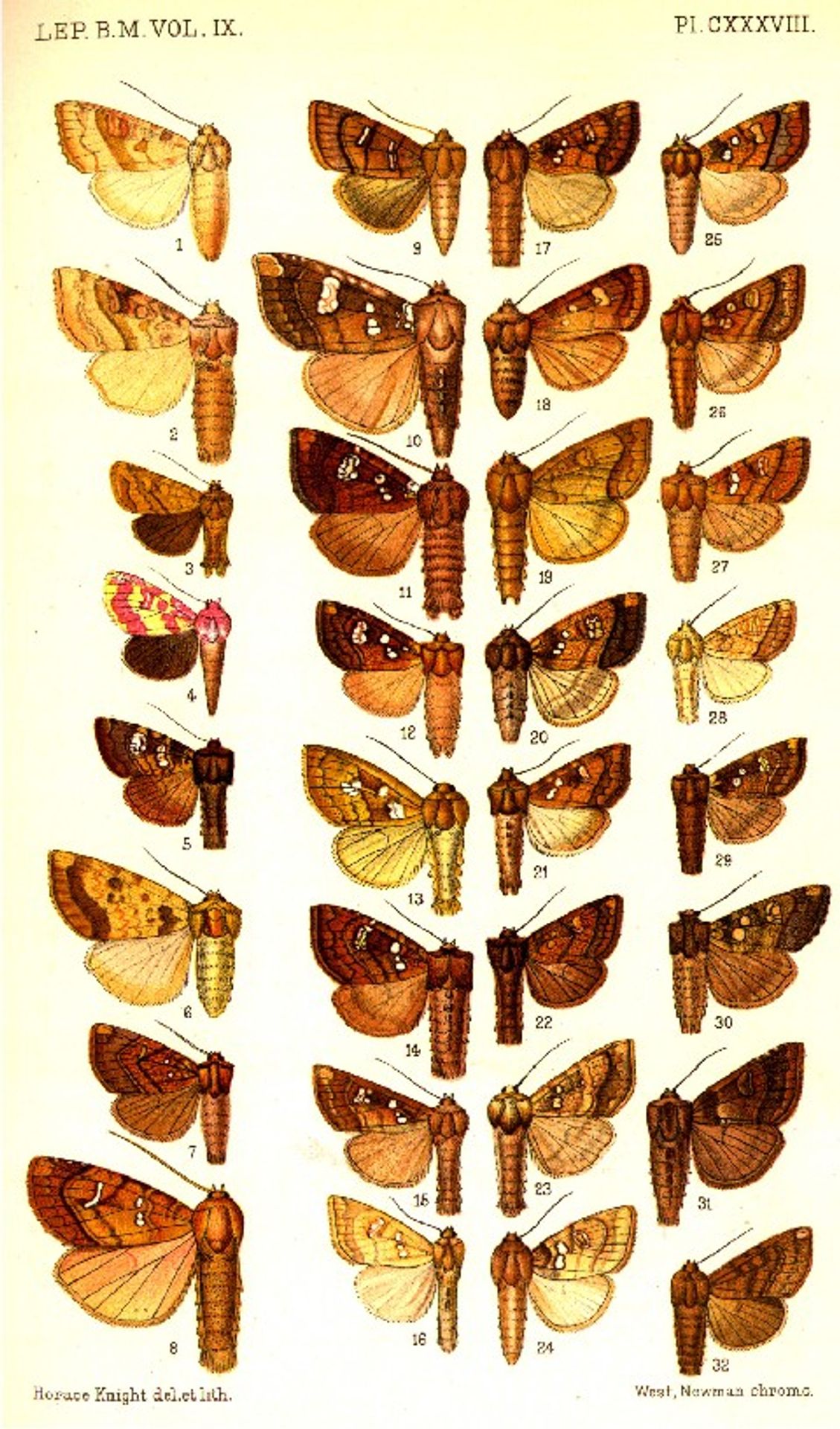
Images
Distribution
Recorded from North America. Specific range details beyond continental presence are not documented in available sources.
Diet
Larvae bore into stems of figwort (Scrophularia ), as indicated by the . Specific feeding habits of are not documented.
Host Associations
- Scrophularia - larval plant indicates stem-boring habit in figwort
Behavior
Similar Taxa
- Other Papaipema speciesShare stem-boring larval habit and general ; identification requires examination of genitalia or specific plant association
More Details
Taxonomic history
Originally described as Ochria sauzalitae by Grote in 1875, later transferred to Papaipema. Basionym: Ochria sauzalitae.
Classification note
The iNaturalist source incorrectly lists rank as 'section'; this is a .