
Papaipema nelita
Strecker, 1898
coneflower borer, Coneflower Borer Moth
Papaipema nelita, commonly known as the coneflower borer, is a in the Noctuidae. The species was described by Strecker in 1898 and is native to North America. It belongs to a whose larvae are known as borers in the stems and roots of herbaceous plants. The species has been documented in Canada and the United States.
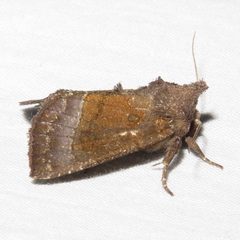
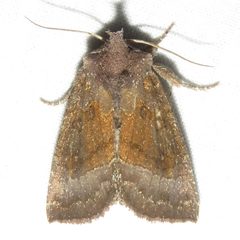
Pronunciation
How to pronounce Papaipema nelita: //pəˈpaɪəˌpɛmə næˈliːtə//
These audio files are automatically generated. While they are not always 100% accurate, they are a good starting point.
Identification
The can be recognized by its assignment to the Papaipema, which contains medium-sized noctuid . The MONA/Hodges number 9502 provides a standardized reference for identification in North American faunal works. Specific diagnostic features for distinguishing P. nelita from are not documented in available sources.
Images
Habitat
Associated with supporting coneflowers (Echinacea ) and related Asteraceae, based on the and -level . The species has been recorded from prairie and open woodland regions in Manitoba, Saskatchewan, and Vermont.
Distribution
Recorded from North America with specific localities in Manitoba and Saskatchewan, Canada, and Vermont, United States. The full extent of its range within North America is not comprehensively documented.
Diet
Larvae bore into stems and roots of herbaceous plants. The indicates association with coneflowers (Echinacea), though this specific relationship has not been verified in primary literature.
Host Associations
- Echinacea - probable larval Implied by ; not confirmed by primary sources
Behavior
Larvae exhibit stem-boring typical of the Papaipema. are and attracted to light.
Ecological Role
As a stem-borer, larvae may influence plant in their . The species functions as a herbivore in prairie and open woodland .
Human Relevance
The has minor relevance to native plant conservation and prairie studies. No significant economic or agricultural impact has been documented.
Similar Taxa
- Papaipema speciesOther members of the share similar and larval ; accurate identification requires examination of genitalia or molecular data
More Details
Taxonomic History
Originally described as Hydroecia nelita by Strecker in 1898, later transferred to Papaipema.