
Papaipema lysimachiae
Bird, 1914
Loosestrife Borer, Loosestrife Borer Moth
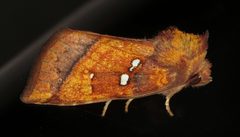
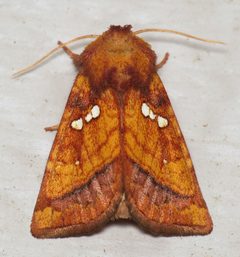
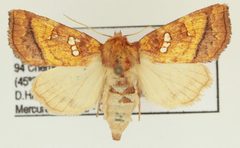
Pronunciation
How to pronounce Papaipema lysimachiae: //pəˈpaɪpəmə ˌlɪsɪˈmɑːkieiː//
These audio files are automatically generated. While they are not always 100% accurate, they are a good starting point.
Identification
Can be distinguished from other Papaipema by plant association with Lysimachia quadrifolia and geographic range. period (August–October) may help separate from sympatric with different seasonality.
Images
Appearance
Wingspan 28–35 mm. Specific coloration and pattern details not documented in available sources.
Habitat
Associated with supporting the plant Lysimachia quadrifolia. Specific habitat requirements beyond host presence not documented.
Distribution
Eastern North America: New Brunswick to Georgia, west to Illinois, north to Wisconsin and Ontario. Vermont records confirmed.
Seasonality
active August to October. Larval stage timing not specified in available sources.
Diet
Larvae bore stems and roots of Lysimachia quadrifolia. feeding habits not documented.
Host Associations
- Lysimachia quadrifolia - larval larvae bore stems and roots
Behavior
Larvae exhibit stem- and root-boring in plant. behavior beyond period not documented.
Similar Taxa
- Other Papaipema species share general but differ in plant associations and often in geographic range or period
More Details
Taxonomic authority
Described by Bird in 1914