Papaipema inquaesita
Grote & Robinson, 1868
sensitive fern borer, Sensitive Fern Borer Moth
Pronunciation
How to pronounce Papaipema inquaesita: //ˌpæpeɪˈpiːmə ˌɪnkwəˈiːsɪtə//
These audio files are automatically generated. While they are not always 100% accurate, they are a good starting point.
Identification
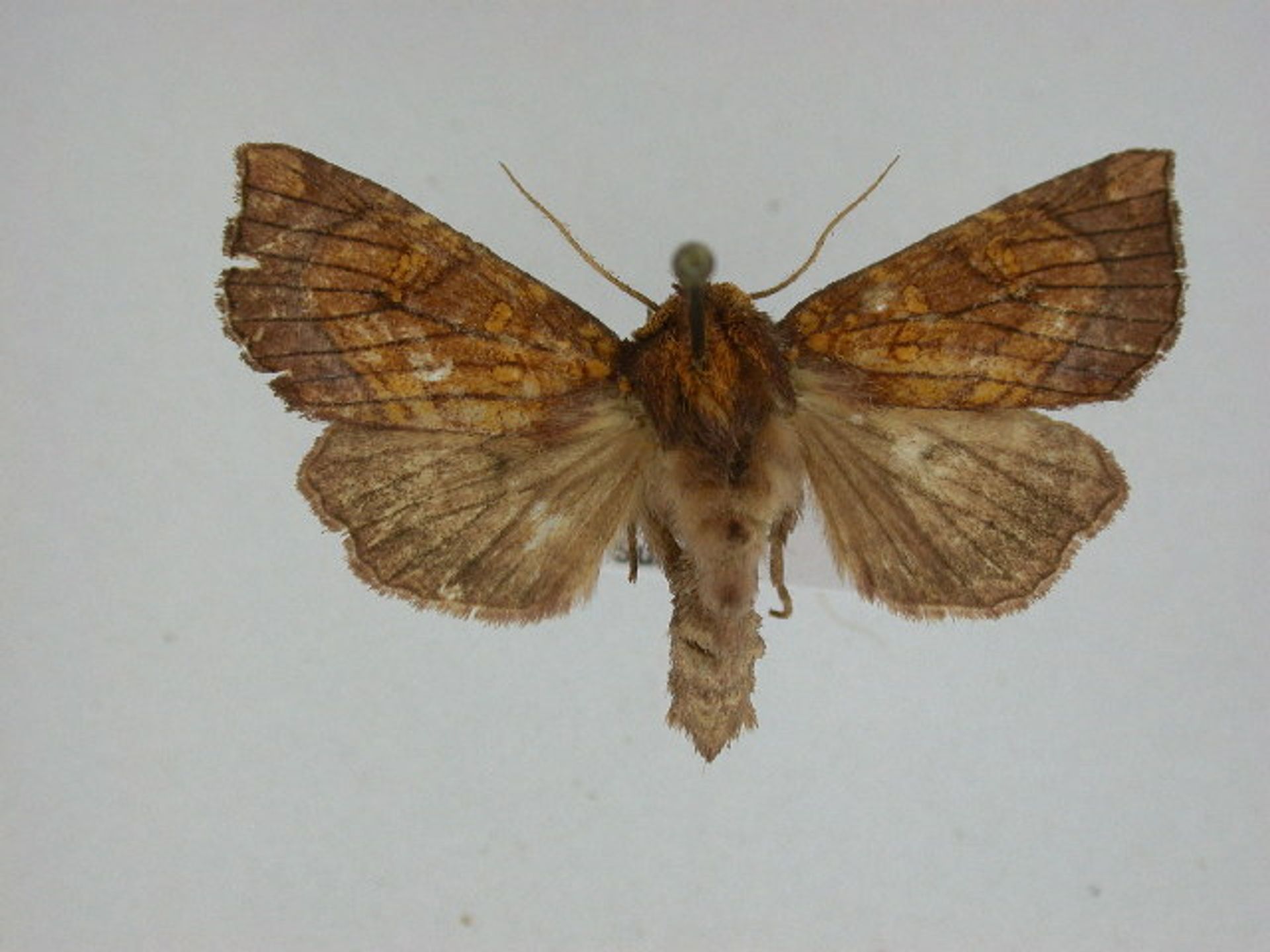
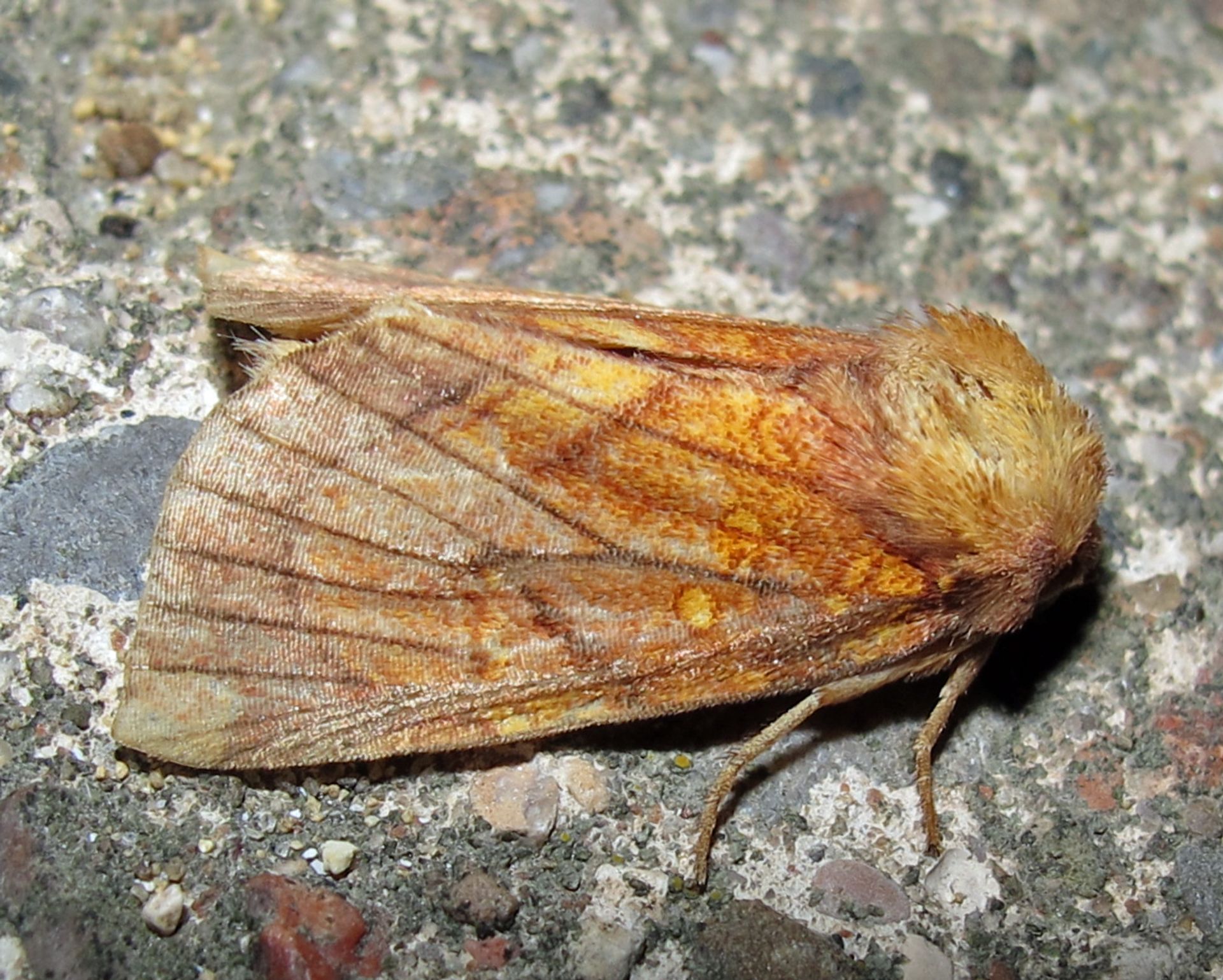
are medium-sized noctuid with wingspans typical of the . The specific wing pattern and coloration are not well documented in available sources. Larvae are internal borers within fern rhizomes, making them difficult to observe directly. Identification may require dissection or molecular methods to distinguish from other Papaipema .
Images
Habitat
Associated with moist supporting its plant, sensitive fern (Onoclea sensibilis), including wet meadows, marshes, floodplains, and woodland edges.
Distribution
North America; documented in the northeastern United States including Vermont.
Diet
Larvae are specialized borers in the rhizomes of sensitive fern (Onoclea sensibilis). feeding habits are not documented.
Host Associations
- Onoclea sensibilis - larval larvae bore into rhizomes
Life Cycle
Complete with , larva, pupa, and stages. Larvae are internal feeders within fern rhizomes. Specific and stage are not documented.
Behavior
Larvae are endophytic borers, feeding concealed within fern rhizomes. are .
Ecological Role
As a specialized herbivore, larvae may influence fern in local . The serves as a food source for and , though specific relationships are undocumented.
Human Relevance
No documented economic or medical significance. The is of interest to lepidopterists and naturalists due to its specialized association.
Similar Taxa
- Papaipema speciesOther members of the share similar and borer ; identification to level often requires examination of genitalia or association
- Onoclea sensibilis-associated herbivoresFew other insects are documented as specialized borers in sensitive fern rhizomes
More Details
Taxonomic history
Originally described as Gortyna inquaesita by Grote & Robinson in 1868, later transferred to Papaipema.
Nomenclature
Hodges number 9483 in the North American Photographers Group checklist.