
Schinia walsinghami
Edwards, H., 1881
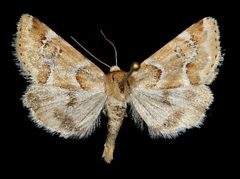
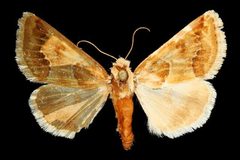
Schinia walsinghami is a small noctuid with a wingspan of approximately 24 mm. are active in late summer. The species belongs to the flower moth Schinia, whose members are typically associated with specific plants and often rest on or near their host flowers during daylight hours. Larvae feed on species of Chrysothamnus and Ericameria (rabbitbrushes), both in the Asteraceae .
Pronunciation
How to pronounce Schinia walsinghami: //ˈskiːniə ˌwɔːlsɪŋˈhæmi//
These audio files are automatically generated. While they are not always 100% accurate, they are a good starting point.
Identification
The small size (24 mm wingspan) and late summer period help distinguish this from other Schinia . Within the , identification to species level requires examination of genitalia or reference to regional keys. The association with rabbitbrush (Chrysothamnus/Ericameria) plants provides a clue for field identification.
Images
Habitat
Associated with shrublands and open supporting rabbitbrush (Chrysothamnus and Ericameria ), the larval plants. These are typically dry, open environments in western North America.
Distribution
Western North America, from British Columbia south to California.
Seasonality
fly in late summer (July–September). Collection records indicate peak activity from mid-July to mid-September.
Diet
Larvae feed on Chrysothamnus and Ericameria (rabbitbrushes). feeding habits are not documented but are presumed to include nectar from flowers, as is typical for the Schinia.
Host Associations
- Chrysothamnus - larval food plant
- Ericameria - larval food plant
Behavior
are likely or , as is characteristic of many Schinia , which often rest on their plant flowers during the day.
Ecological Role
Larval herbivore on rabbitbrush ; potential as .
Similar Taxa
- Other Schinia speciesMany Schinia are similar in size and general appearance, requiring genitalia examination or plant association for definitive identification.
More Details
Taxonomic history
Originally described as Lygranthoecia walsinghami by Edwards in 1881, later transferred to the Schinia.
Sources and further reading
- BugGuide
- Wikipedia
- GBIF taxonomy match
- iNaturalist taxon
- NCBI Taxonomy
- Catalogue of Life
- Buprestidae | Beetles In The Bush | Page 9
- Best of BitB 2013 | Beetles In The Bush
- Sunset for another great collecting trip | Beetles In The Bush
- Bug Eric: Wasp Wednesday: Not Wasp VIII
- Catch a Glimpse of Caterpillars During National Moth Week
- Bug Eric: White Prairie Clover: An Awesome Blossom