
Schinia trifascia
Hübner, 1818
Three-lined Flower Moth
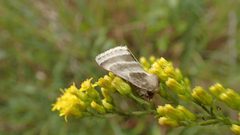
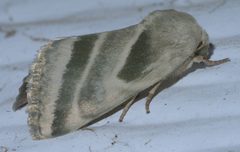
Schinia trifascia, commonly known as the three-lined flower , is a small noctuid moth with a wingspan of 20–31 mm. are active from July to October and have one per year. The is notable for its close association with specific plants in the aster , with larvae feeding on Brickellia, Eupatorium, and Liatris.
Pronunciation
How to pronounce Schinia trifascia: //ˈskɪniə traɪˈfeɪʃiə//
These audio files are automatically generated. While they are not always 100% accurate, they are a good starting point.
Identification
can be recognized by the three dark bands on the forewings that give the its . The specific pattern of these bands distinguishes it from other Schinia species. Precise identification may require examination of genitalia or reference to regional guides.
Images
Habitat
Associated with open where plants (Brickellia, Eupatorium, Liatris) occur, including prairies, meadows, and disturbed areas with aster vegetation.
Distribution
North America from Ontario and Massachusetts south to Florida, west to Arizona, Colorado, and Wyoming. Also reported from Louisiana.
Seasonality
on wing from July to October. One per year.
Diet
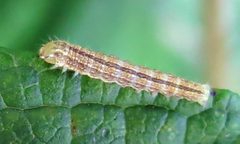
Larvae feed on flowers and developing seeds of Brickellia, Eupatorium, and Liatris (Asteraceae). feeding habits not explicitly documented.
Host Associations
- Brickellia - larval larvae feed on flowers and seed
- Eupatorium - larval larvae feed on flowers and seed
- Liatris - larval larvae feed on flowers and seed
Life Cycle
One per year. laid on or near plants. Larvae feed on host plant flowers and seed pods. presumably in soil or leaf litter, though specific details not documented in available sources. emerge mid-summer to autumn.
Behavior
are and attracted to light. Larvae feed specifically on reproductive structures of plants.
Ecological Role
of plants; larval herbivore that consumes flowers and developing seeds of Asteraceae.
Human Relevance
Not of significant economic importance. Occasionally encountered by enthusiasts and researchers.
Similar Taxa
- Other Schinia speciesMany Schinia share similar size, flower-visiting , and association with Asteraceae plants. S. trifascia is distinguished by the three-lined forewing pattern and specific host plant associations.
Sources and further reading
- BugGuide
- Wikipedia
- GBIF taxonomy match
- iNaturalist taxon
- NCBI Taxonomy
- Catalogue of Life
- Threebanded Grasshopper
- Halloween ID challenge answer – Argiope trifasciata | Beetles In The Bush
- Bug Eric: Wasp Wednesday: Not Wasp VIII
- Catch a Glimpse of Caterpillars During National Moth Week
- Bug Eric: White Prairie Clover: An Awesome Blossom
- Bug Eric: Remembering National Moth Week 2018