Schinia thoreaui
Grote & Robinson, 1870
Thoreau's Flower Moth
Schinia thoreaui, commonly known as Thoreau's Flower Moth, is a small noctuid native to North America. are active during summer months and are associated with flowers of their plants. The was described by Grote and Robinson in 1870 and is one of approximately 123 Schinia species found in North America north of Mexico.
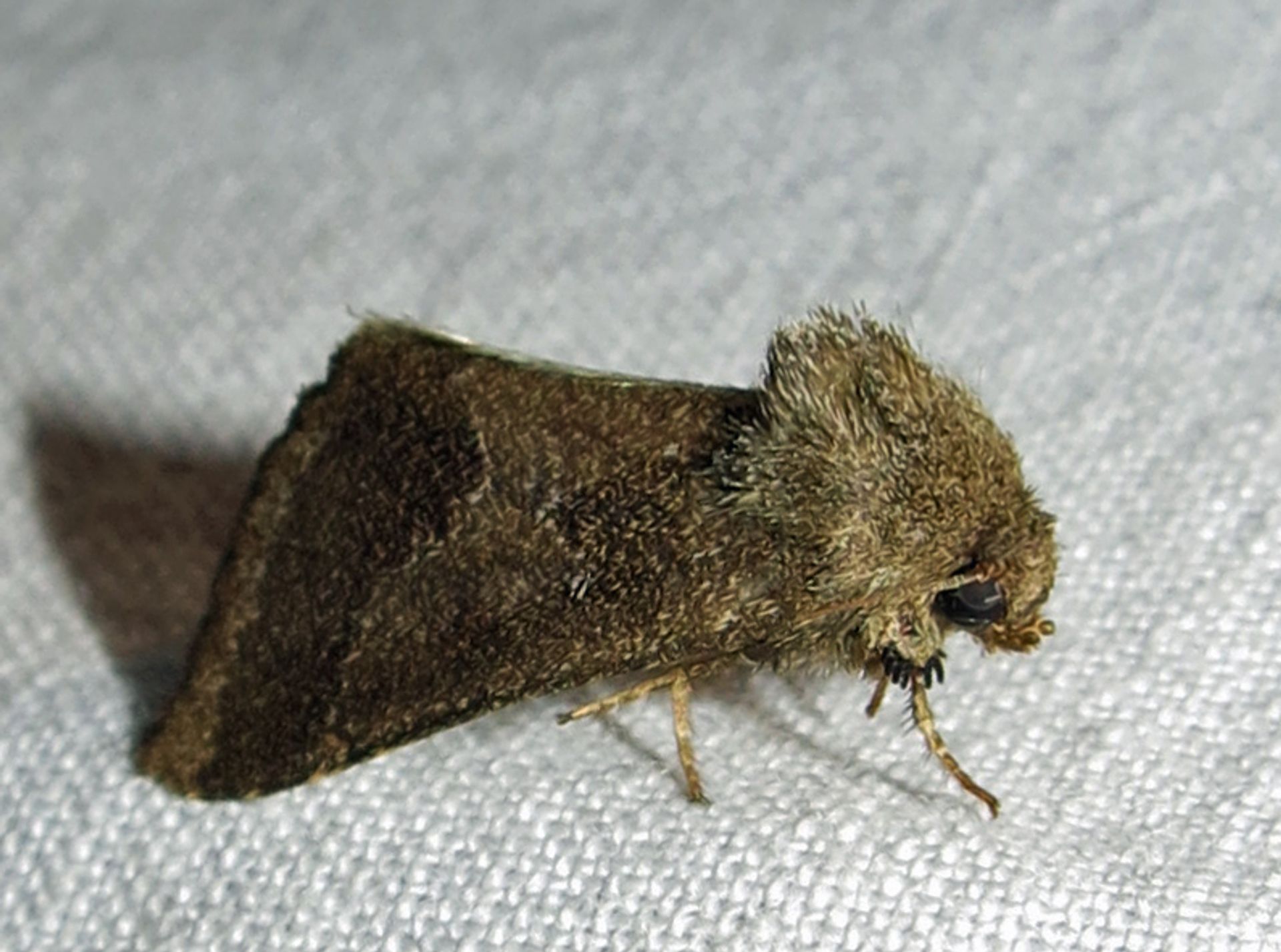
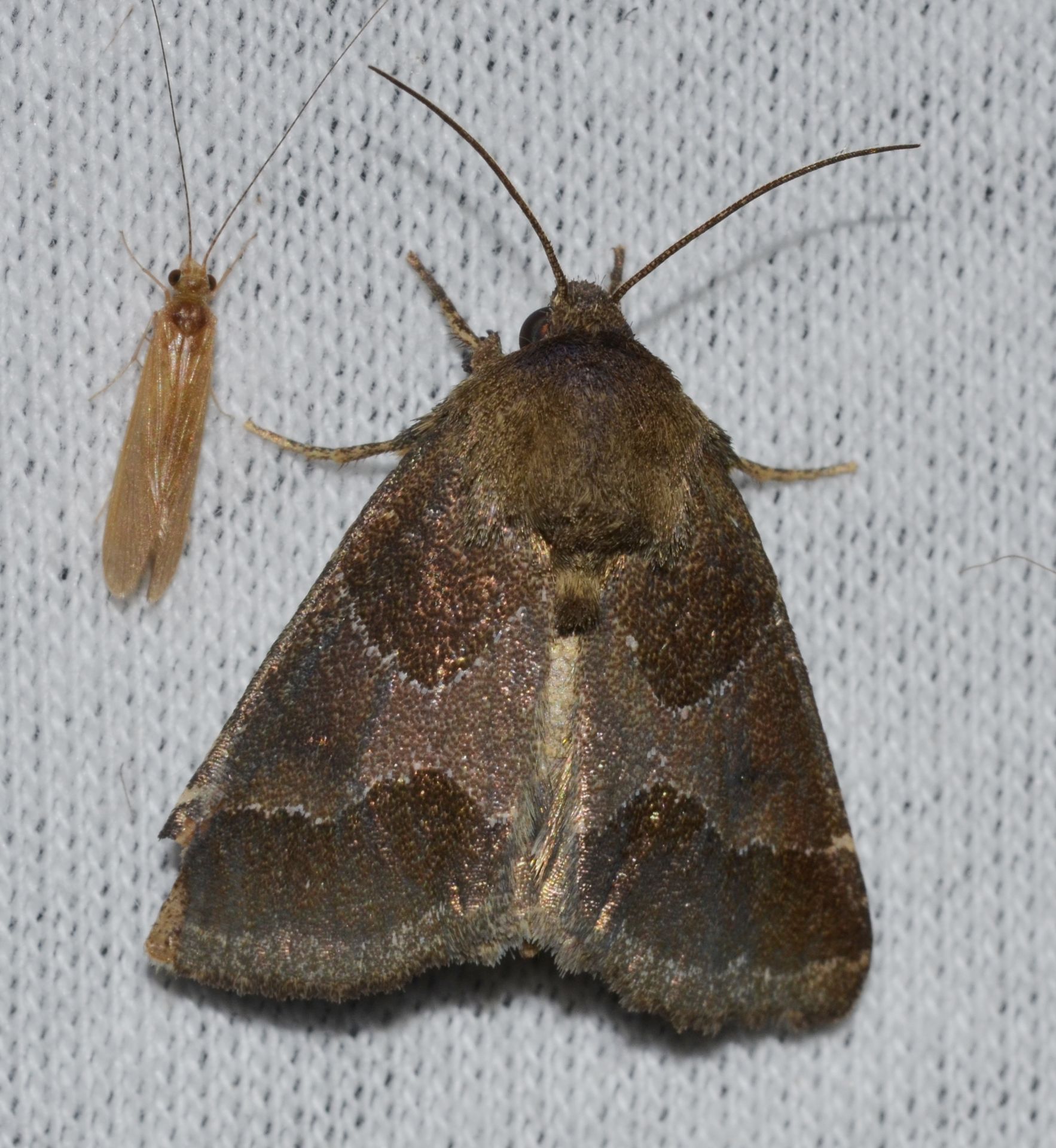
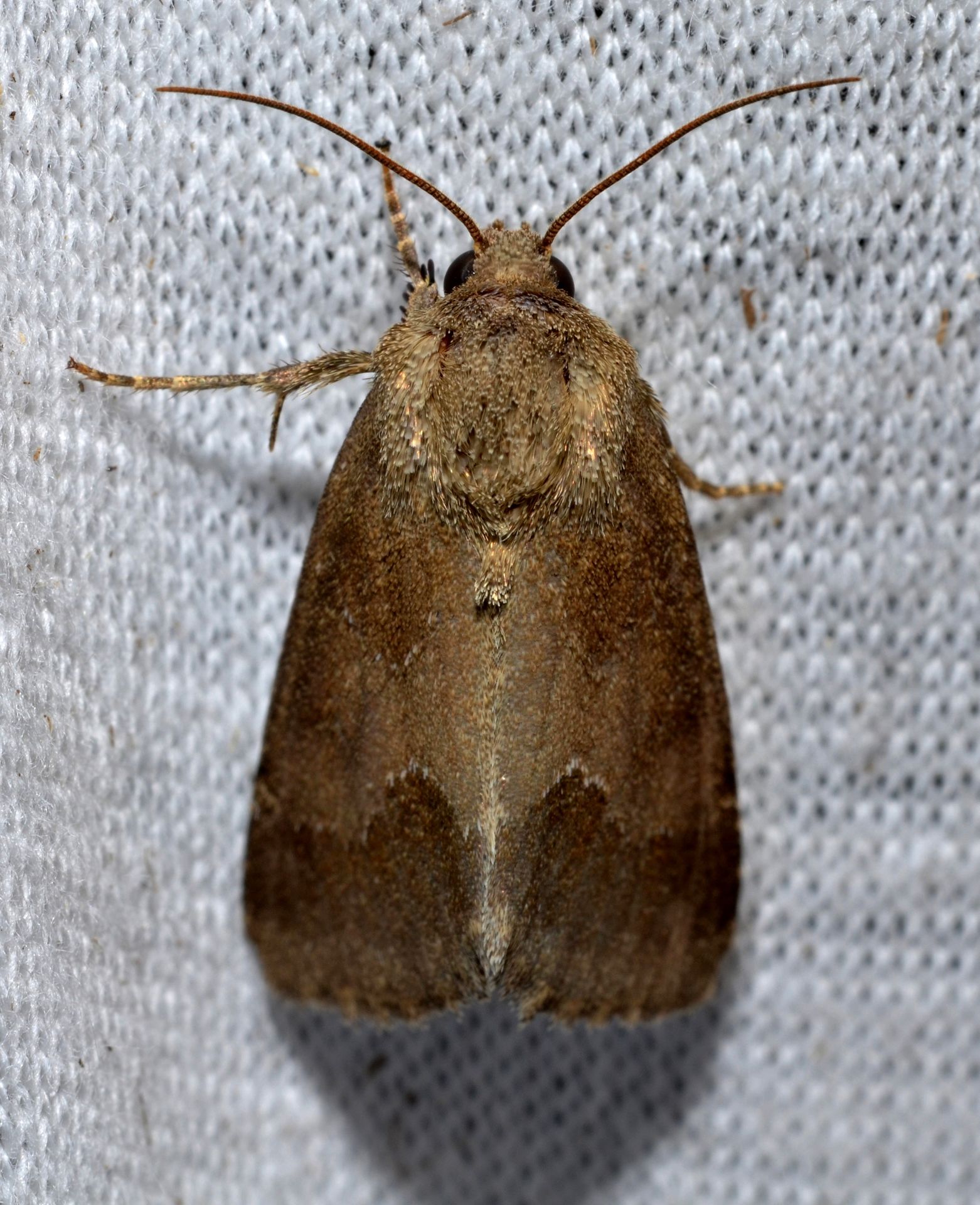
Pronunciation
How to pronounce Schinia thoreaui: //ˈskɪniə θɔˈriːaʊi//
These audio files are automatically generated. While they are not always 100% accurate, they are a good starting point.
Identification
Members of the Schinia can be challenging to identify to level due to their similar appearances and the large number of species (over 120 in North America). Identification typically requires examination of genitalia under a microscope. S. thoreaui may be distinguished from similar flower moths by geographic range and association with Ambrosia plants, though precise diagnostic features are not documented in available sources.
Images
Appearance
have a wingspan of approximately 32 mm. Like other members of the Schinia, this exhibits colorful patterning that serves as camouflage when resting on flowers. Specific coloration details for this species are not well documented in available sources.
Habitat
Associated with supporting plants in the Ambrosia (ragweeds). These include open, disturbed areas, prairies, and other environments where Ambrosia occur.
Distribution
North America, with records from Maryland, Illinois, Kansas, Oklahoma, and Arizona in the United States; also recorded from Ontario and Saskatchewan in Canada. GBIF records additionally confirm presence in Manitoba, Canada.
Seasonality
are on wing from June to August, with peak activity during mid-summer.
Diet
Larvae feed on of Ambrosia (ragweeds). feeding habits are not documented but likely include nectar from flowers.
Host Associations
- Ambrosia - larval food plantSpecific Ambrosia not identified in available sources
Life Cycle
Complete with , larva, pupa, and stages. Larvae feed on flowers and later seed pods of plants. Detailed information specific to this is not documented.
Behavior
are likely or given the tendency for flower-visiting , though they may also be attracted to lights at night. Specific behavioral observations for this are not documented.
Ecological Role
As a herbivore on Ambrosia, larvae contribute to seed and of their plants. may serve as when visiting flowers for nectar. The participates in as prey for and .
Human Relevance
No significant direct human relevance documented. Like other Schinia , it may be encountered by naturalists and enthusiasts during National Moth Week events and similar citizen science activities. Not known to be an agricultural pest.
Similar Taxa
- Schinia jaguarinaAnother flower moth in the same with similar and appearance; distinguished by different plant associations and geographic distribution patterns
- Other Schinia speciesOver 120 in North America north of Mexico share similar size, flower-associated , and colorful patterning; microscopic examination of genitalia typically required for definitive identification
Sources and further reading
- BugGuide
- Wikipedia
- GBIF taxonomy match
- iNaturalist taxon
- NCBI Taxonomy
- Catalogue of Life
- Encyrtid Holdings | Entomology Research Museum
- Bug Eric: Wasp Wednesday: Not Wasp VIII
- Catch a Glimpse of Caterpillars During National Moth Week
- Bug Eric: White Prairie Clover: An Awesome Blossom
- Bug Eric: Remembering National Moth Week 2018
- Bug Eric: October 2018