Schinia saturata
Grote, 1874
Brown Flower Moth
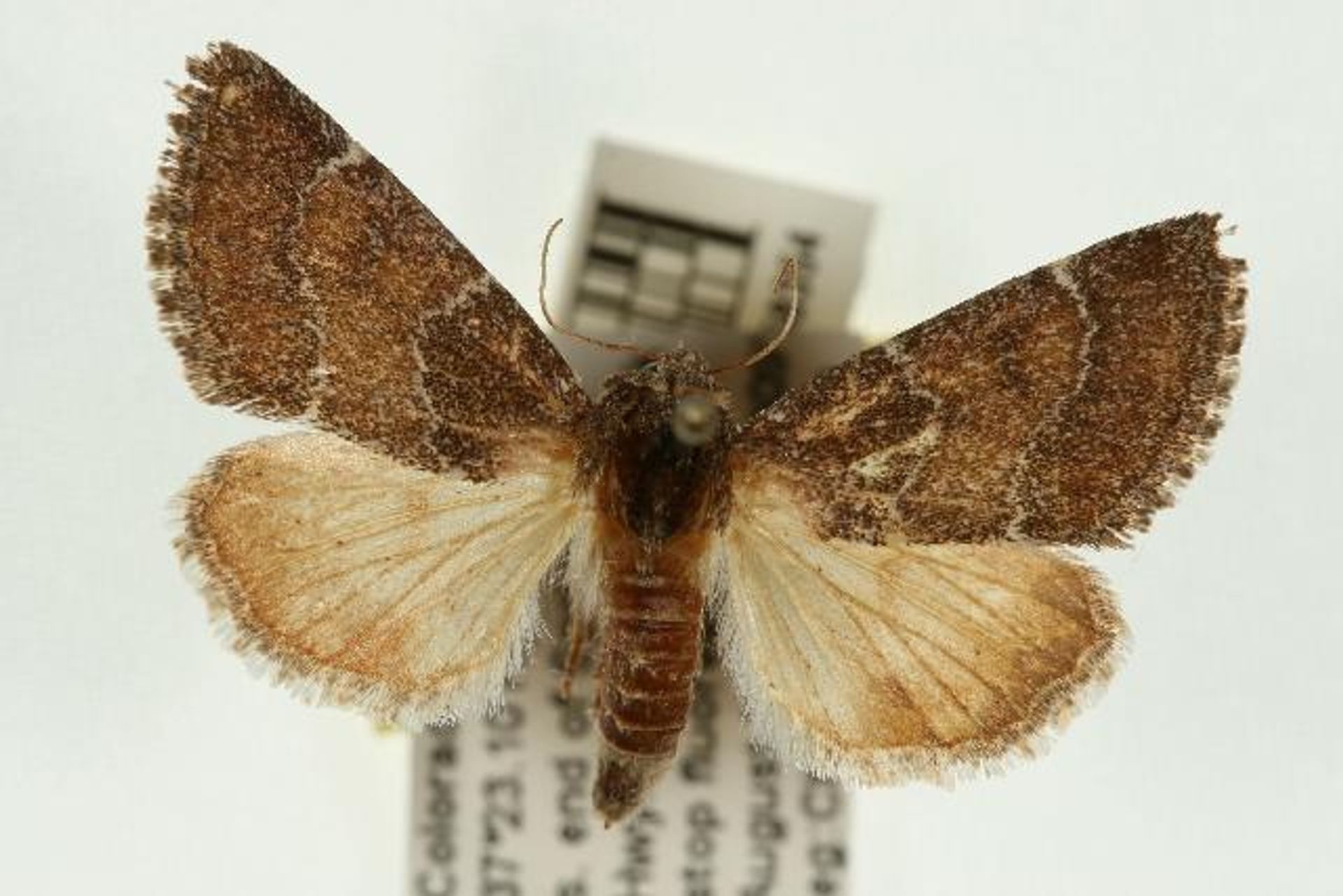
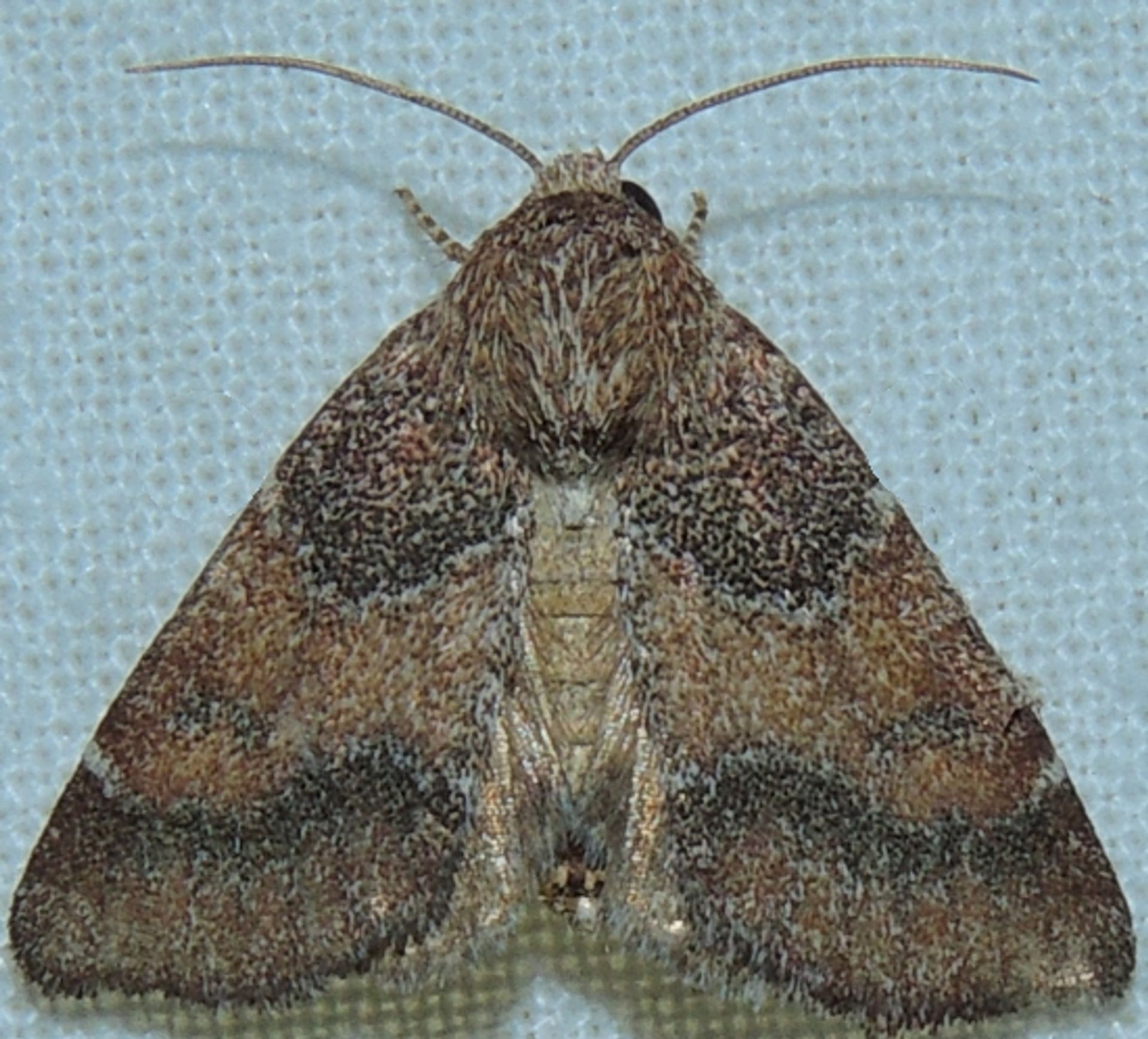
Schinia saturata, commonly known as the Brown Flower Moth, is a noctuid native to the southern and central United States. First described by Augustus Radcliffe Grote in 1874, this small moth has a wingspan of approximately 25 mm. The completes one per year. Larvae are specialized feeders on two plant species in the Asteraceae .
Pronunciation
How to pronounce Schinia saturata: /ˈskiːniə səˈtʊrətə/
These audio files are automatically generated. While they are not always 100% accurate, they are a good starting point.
Identification
Distinguished from other Schinia by geographic distribution and larval plant associations. Specific diagnostic morphological features are not documented in available sources. Genitalia examination may be required for definitive identification from similar .
Images
Appearance
Small with wingspan approximately 25 mm. Specific coloration and pattern details are not documented in available sources.
Habitat
Associated with open supporting its larval plants Heterotheca subaxillaris and Pityopsis graminifolia, which typically occur in sandy or disturbed areas, roadsides, and open woodlands in the southeastern and south-central United States.
Distribution
United States: south Texas to South Dakota, southeast Arizona, and from Florida to South Carolina.
Seasonality
One per year. Specific period not documented in available sources.
Diet
Larvae feed specifically on Heterotheca subaxillaris and Pityopsis graminifolia (Asteraceae). feeding habits are not documented.
Host Associations
- Heterotheca subaxillaris - larval food plantCamphorweed, a herb in the Asteraceae
- Pityopsis graminifolia - larval food plantNarrowleaf silkgrass, a herb in the Asteraceae
Life Cycle
(one per year). Specific details of , larval, pupal, and stages are not documented in available sources.
Ecological Role
Herbivore as larvae; potential as (not confirmed). Specialized relationship with two Asteraceae suggests potential role in plant in its native range.
Human Relevance
No documented economic or agricultural significance. Not known to be a pest .
Similar Taxa
- Other Schinia species Schinia contains numerous similar-appearing flower moths; many require dissection or plant association for reliable identification.
More Details
Taxonomic Note
The was originally described as Lygranthoecia saturata before transfer to Schinia. Some sources cite authorship as Walker, 1869, but Grote, 1874 is the accepted authority.
Conservation Status
Not evaluated; appears to be relatively common within its documented range based on iNaturalist observations (564 records).
Sources and further reading
- BugGuide
- Wikipedia
- GBIF taxonomy match
- iNaturalist taxon
- NCBI Taxonomy
- Catalogue of Life
- Just Buggin' Ya | Bug Squad
- Dragonfly Enthusiasts, Unite! Open House Set Nov. 6 at Bohart Museum | Bug Squad
- Bohart Museum Open House: Dragonflies Rule! | Bug Squad
- The Wonder of Dragonflies | Bug Squad
- Take a Bug Break--and Bring Along This Book | Bug Squad
- Yes, You Can Attend the 'Saving a Bug's Life' Symposium | Bug Squad