Schinia lynx
Guenée, 1852
Lynx Flower Moth
Schinia lynx, commonly known as the lynx flower moth, is a noctuid native to eastern and central North America. The exhibits a with one per year. are associated with flowers of their plants, where they likely rest and feed on nectar. The larval stage is specialized, feeding on two of Asteraceae: Erigeron and Heterotheca subaxillaris.
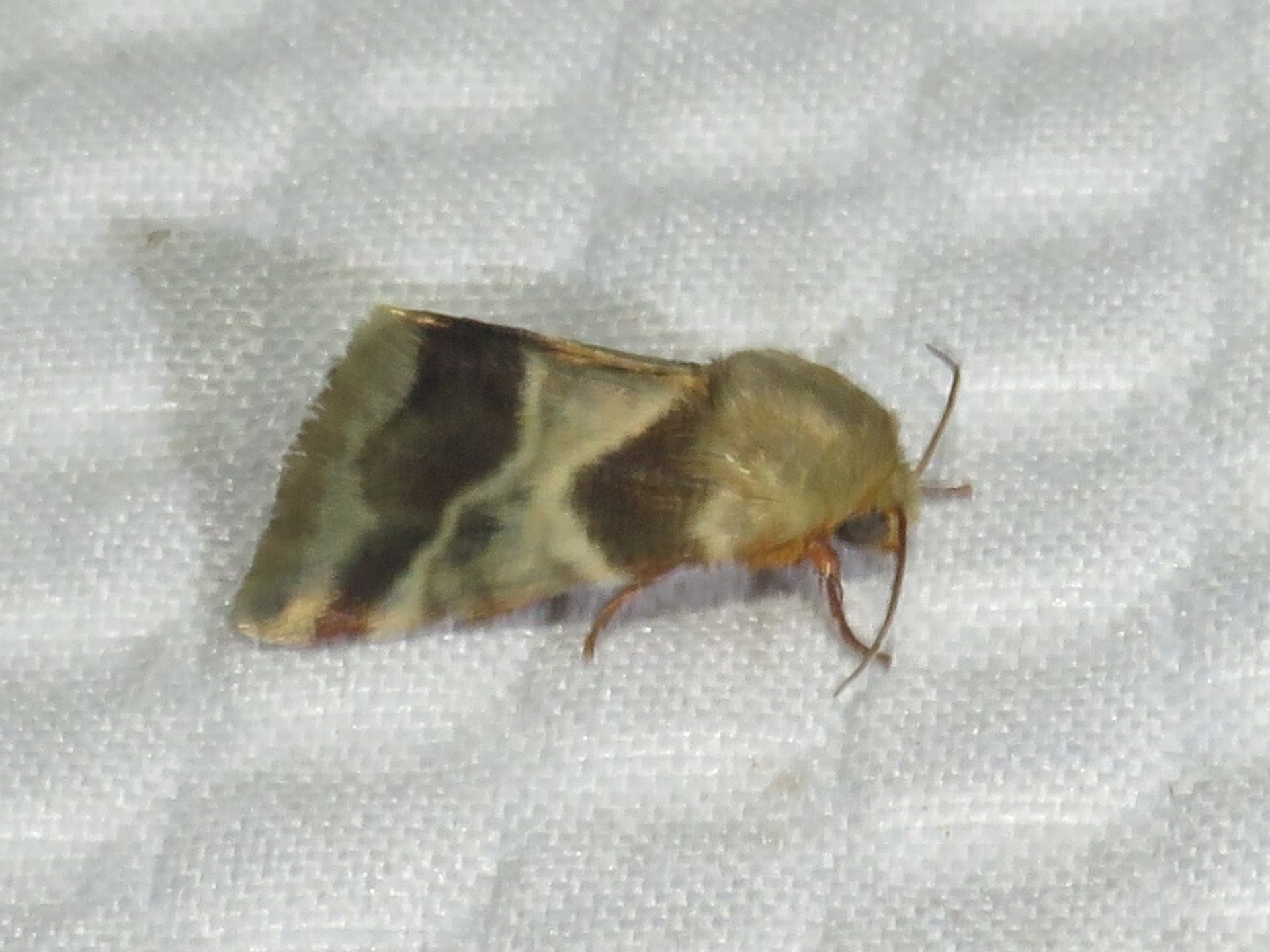
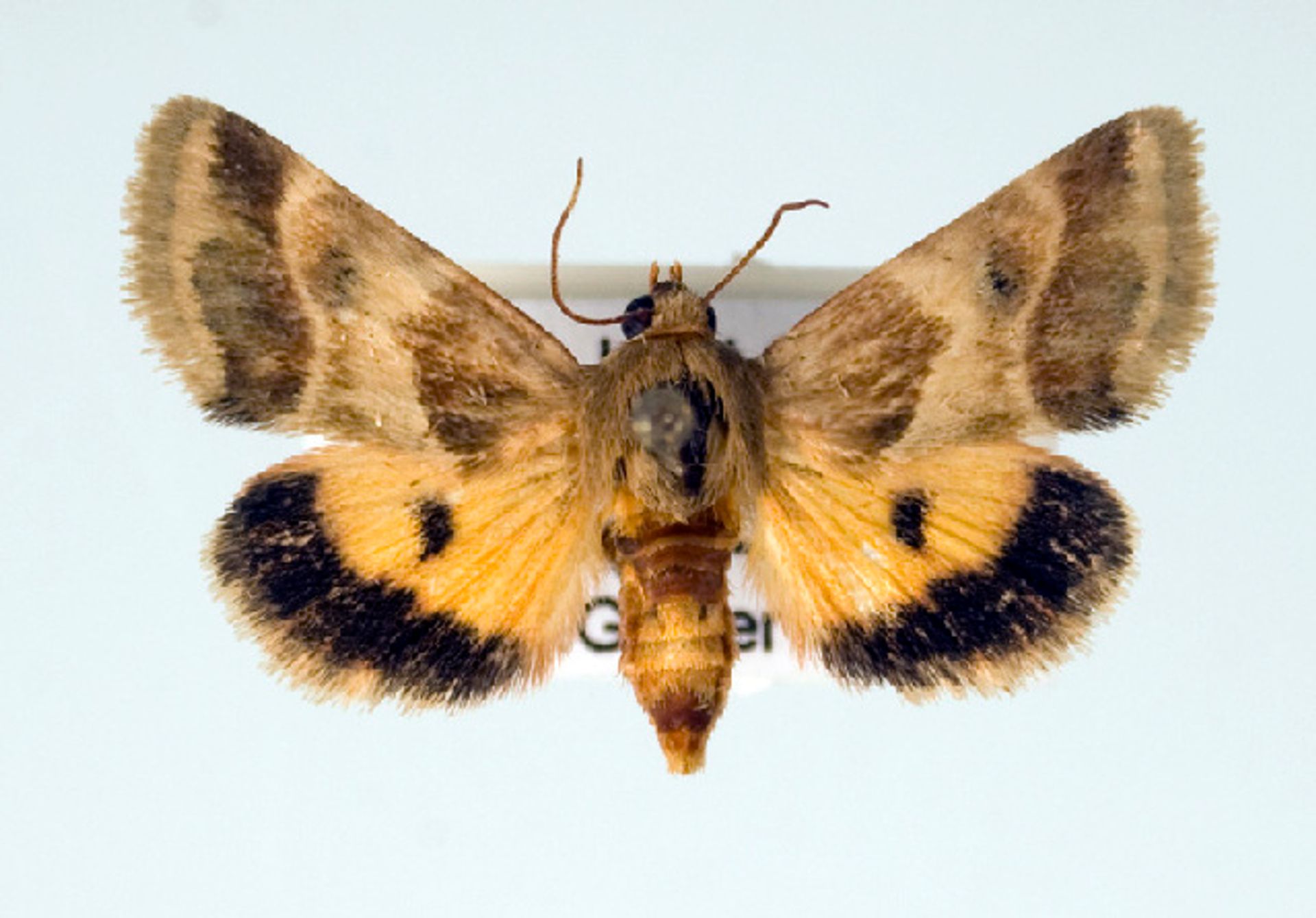
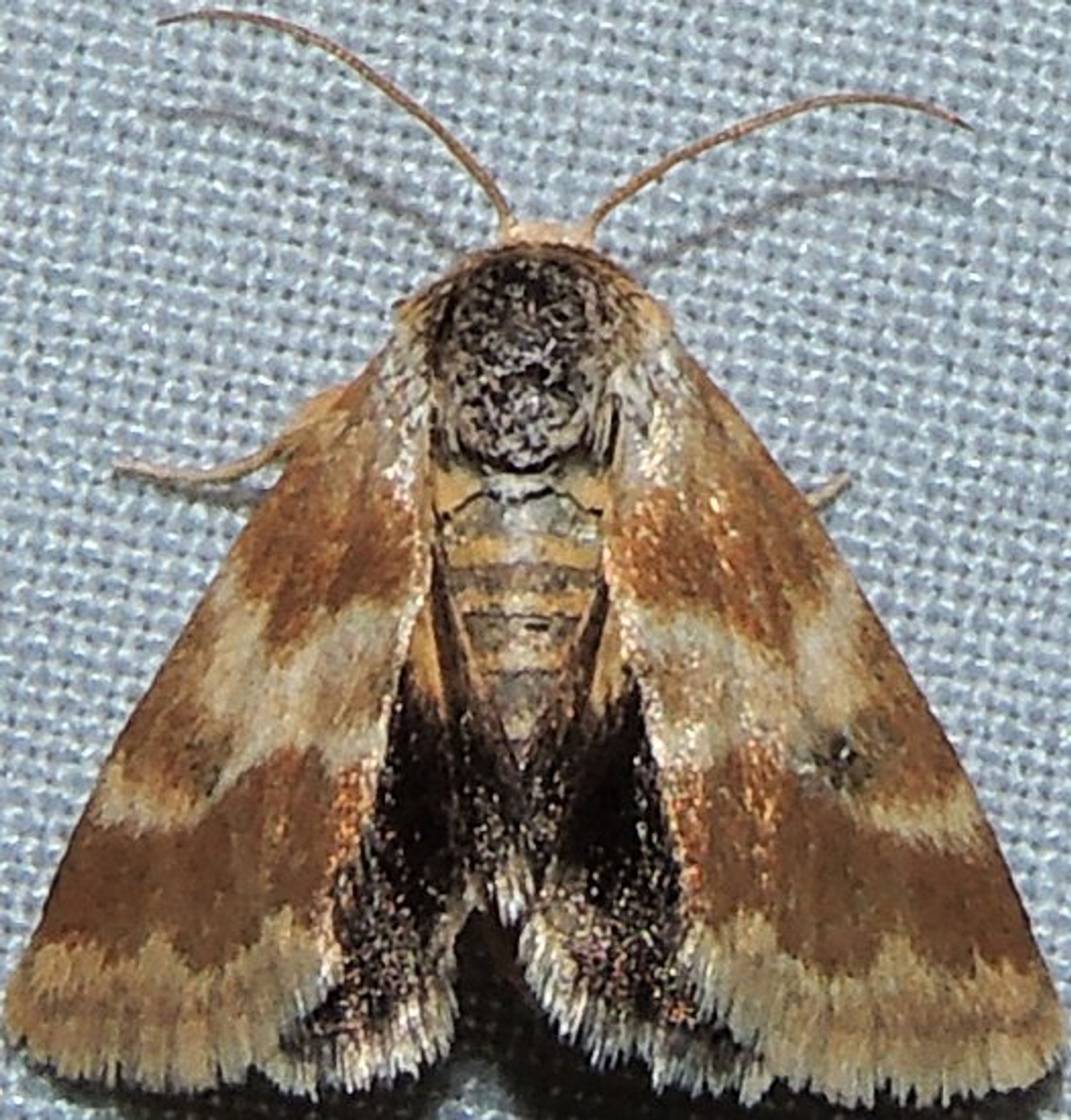
Pronunciation
How to pronounce Schinia lynx: /ˈskiːniə lɪŋks/
These audio files are automatically generated. While they are not always 100% accurate, they are a good starting point.
Images
Habitat
Associated with open supporting plants in the Erigeron and Heterotheca subaxillaris, including prairies, meadows, and disturbed areas where these asters occur.
Distribution
Eastern and central North America, from Wisconsin, southern Ontario, Quebec and Maine south to Florida and Texas. Documented from Colorado, Iowa, Kansas, Nebraska, New York, Maryland, Oklahoma, and Oregon.
Seasonality
One per year (). activity period not explicitly documented in available sources.
Diet
Larvae feed on Erigeron and Heterotheca subaxillaris (Asteraceae). feeding habits not documented.
Host Associations
- Erigeron - larval plant of asters (Asteraceae)
- Heterotheca subaxillaris - larval plantCamphorweed, an aster (Asteraceae)
Life Cycle
: one per year. Specific timing of , larval, pupal, and stages not documented in available sources.
Behavior
have been observed visiting flowers, consistent with the 'flower moth' and the -wide association with floral . Detailed behavioral observations not documented.
Similar Taxa
- Other Schinia speciesThe Schinia contains over 100 North American , many with similar flower-associated habits and colorful patterns. Identification to species level requires examination of genitalia or detailed pattern analysis.
More Details
Nomenclatural note
The was first described by Guenée in 1852 under the basionym Anthoecia lynx, and later transferred to Schinia. Some sources incorrectly cite Grote 1881 as the original description.
Sources and further reading
- BugGuide
- Wikipedia
- GBIF taxonomy match
- iNaturalist taxon
- NCBI Taxonomy
- Catalogue of Life
- Bug Eric: Spider Sunday: Striped Lynx Spider
- Bug Eric: Green Lynx Spider
- Bug Eric: Wasp Wednesday: Not Wasp VIII
- Assassin ate | Beetles In The Bush
- Catch a Glimpse of Caterpillars During National Moth Week
- Bug Eric: White Prairie Clover: An Awesome Blossom