Schinia gracilenta
Hübner, 1818
Slender Flower Moth, Iva Flower Moth
Schinia gracilenta is a small noctuid native to North America, first described by Jacob Hübner in 1818. The has a wingspan of approximately 28 mm and produces one annually. It is listed as endangered in Connecticut, reflecting localized concerns in parts of its range.
Pronunciation
How to pronounce Schinia gracilenta: /ˈskiː.ni.ə ˌɡræ.sɪˈlɛn.tə/
These audio files are automatically generated. While they are not always 100% accurate, they are a good starting point.
Identification
May be distinguished from other Schinia by its association with Iva plants and its relatively small size. The specific epithet 'gracilenta' (meaning slender) suggests a more slender build compared to . Accurate identification to species level typically requires examination of genitalia or reference to specialized identification resources.
Images
Appearance
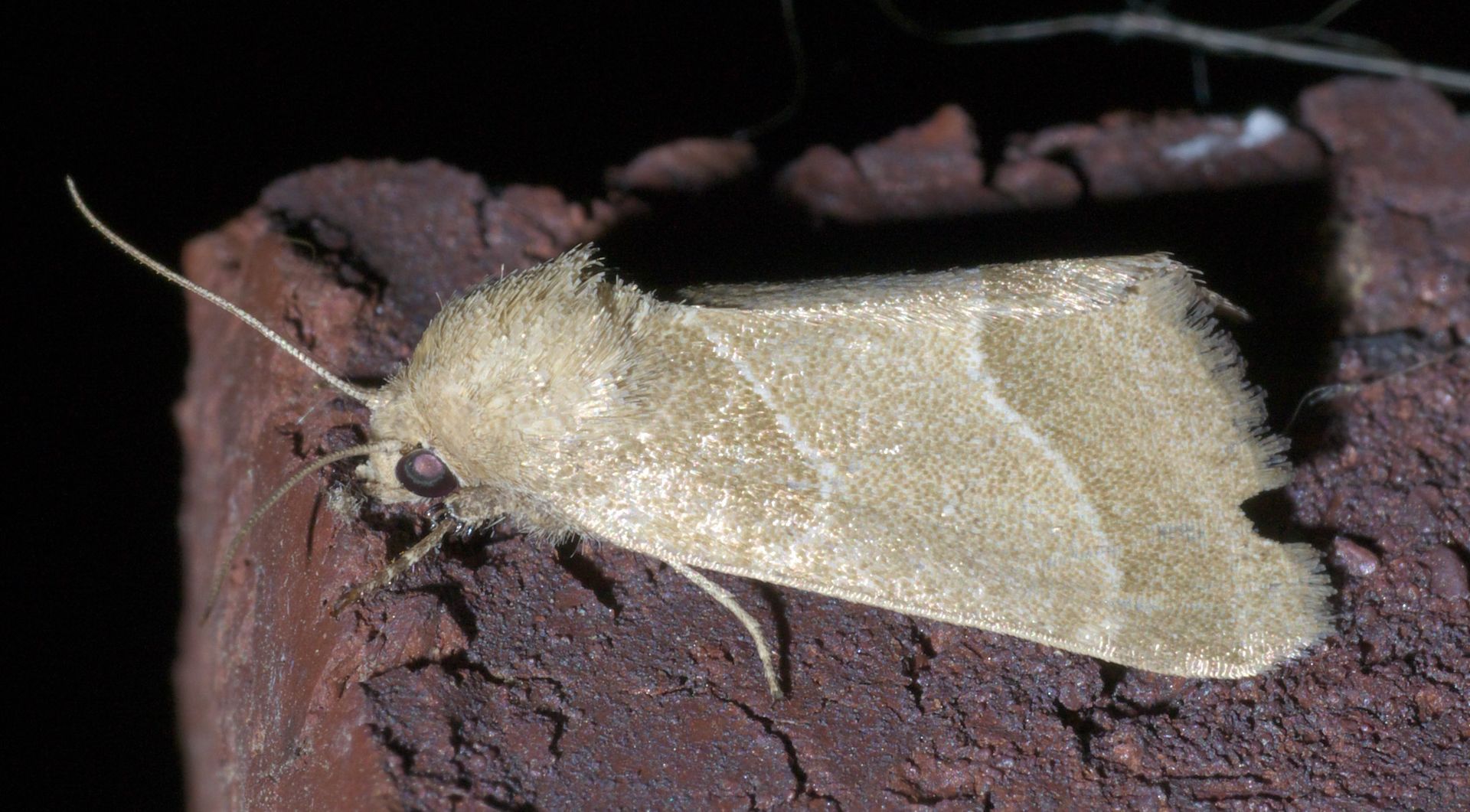
Small with a wingspan of approximately 28 mm. As a member of the Schinia, likely display the colorful patterning typical of flower moths in this group, though specific markings for this are not detailed in available sources.
Habitat
Associated with supporting its larval plants in the Iva. These are typically open, sunny areas including prairies, meadows, and disturbed sites where Iva grow.
Distribution
Eastern and central North America, ranging from New York south to Florida and west from Nebraska to Arizona. The is listed as endangered in Connecticut, indicating it has experienced significant decline or loss in that state.
Seasonality
One per year (). are active during the growing season when their plants are in flower, typically summer months.
Diet
Larvae feed on in the Iva (Asteraceae), and possibly on Brickellia eupatorioides.
Host Associations
- Iva - larval Primary
- Brickellia eupatorioides - possible larval Tentative association
Life Cycle
One per year. Larvae feed on plant flowers and seed . likely occurs in soil or leaf litter, with emerging the following season.
Ecological Role
As a herbivore on Iva, the larvae contribute to seed and nutrient cycling in prairie and meadow . may serve as when visiting flowers for nectar.
Human Relevance
Listed as endangered in Connecticut, making it a of conservation concern in that state. No significant economic importance; primarily of interest to lepidopterists and conservation biologists.
Similar Taxa
- Other Schinia speciesMany Schinia are similarly small, colorful flower moths with overlapping ranges. Differentiation requires attention to plant association and detailed morphological examination.
More Details
Conservation Status
Endangered in Connecticut, though not listed federally or in most other states within its range.
Etymology
The specific epithet 'gracilenta' derives from Latin, meaning slender or thin, likely referring to the 's relatively slender body form.
Sources and further reading
- BugGuide
- Wikipedia
- GBIF taxonomy match
- iNaturalist taxon
- NCBI Taxonomy
- Catalogue of Life
- Bug Eric: Wasp Wednesday: Not Wasp VIII
- Catch a Glimpse of Caterpillars During National Moth Week
- Bug Eric: White Prairie Clover: An Awesome Blossom
- Bug Eric: Remembering National Moth Week 2018
- Bug Eric: October 2018
- 2013 Oklahoma Collecting Trip iReport | Beetles In The Bush