Heliothis oregonica
Edwards, H., 1875
Oregon Gem Moth
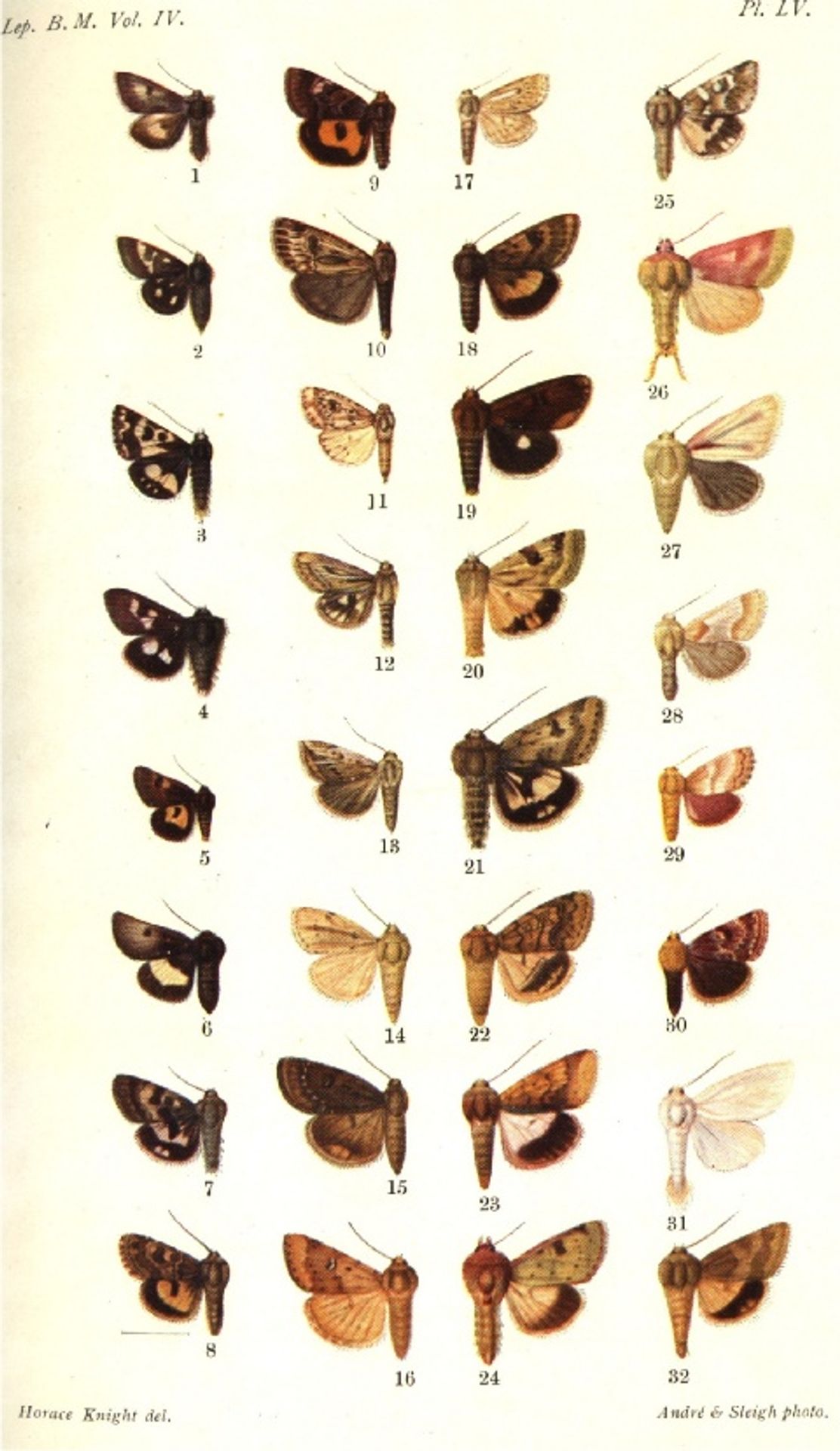
Heliothis oregonica, commonly known as the Oregon Gem , is a of owlet moth in the Noctuidae. First described by Henry Edwards in 1875, this small moth exhibits a disjunct distribution pattern across North America, with in western mountain regions and an isolated occurrence in Quebec. are active during summer months.
Pronunciation
How to pronounce Heliothis oregonica: /hɛlɪˈoʊθɪs ɔrɪˈɡoʊnɪkə/
These audio files are automatically generated. While they are not always 100% accurate, they are a good starting point.
Identification
Wingspan of 24–30 mm distinguishes this from larger relatives in Heliothis and related . The disjunct western montane distribution combined with summer period may aid in distinguishing from similar species, though specific diagnostic characters for field identification are not documented.
Images
Appearance
Small with wingspan of 24–30 mm. Specific coloration and pattern details are not documented in available sources.
Habitat
Western montane regions, from mountainous areas of Alberta south through the Rocky Mountains to California and Arizona. The disjunct Quebec suggests potential for or mixed forest conditions, though specific associations are not well documented.
Distribution
North America: Peace River area of Alberta south and west through the mountains to California and Arizona. Disjunct in north central Quebec. Records also from Manitoba and Saskatchewan.
Seasonality
on wing from June to August.
Similar Taxa
- Heliothis virescensSimilar and (Heliothinae), but larger and with different distribution and seasonal pattern; H. virescens is primarily a southern and eastern with different associations.
- Helicoverpa zeaFormerly placed in Heliothis, similar , but much larger and economically significant; H. zea is a major agricultural pest with broader distribution and different .
More Details
Taxonomic history
Originally described as Melicleptria oregonica by Henry Edwards in 1875, later transferred to Heliothis.
Distribution pattern
The disjunct distribution—western mountains plus isolated Quebec —is unusual and may reflect historical biogeographic patterns or incomplete sampling.