Amyna stricta
Eight-spot Moth
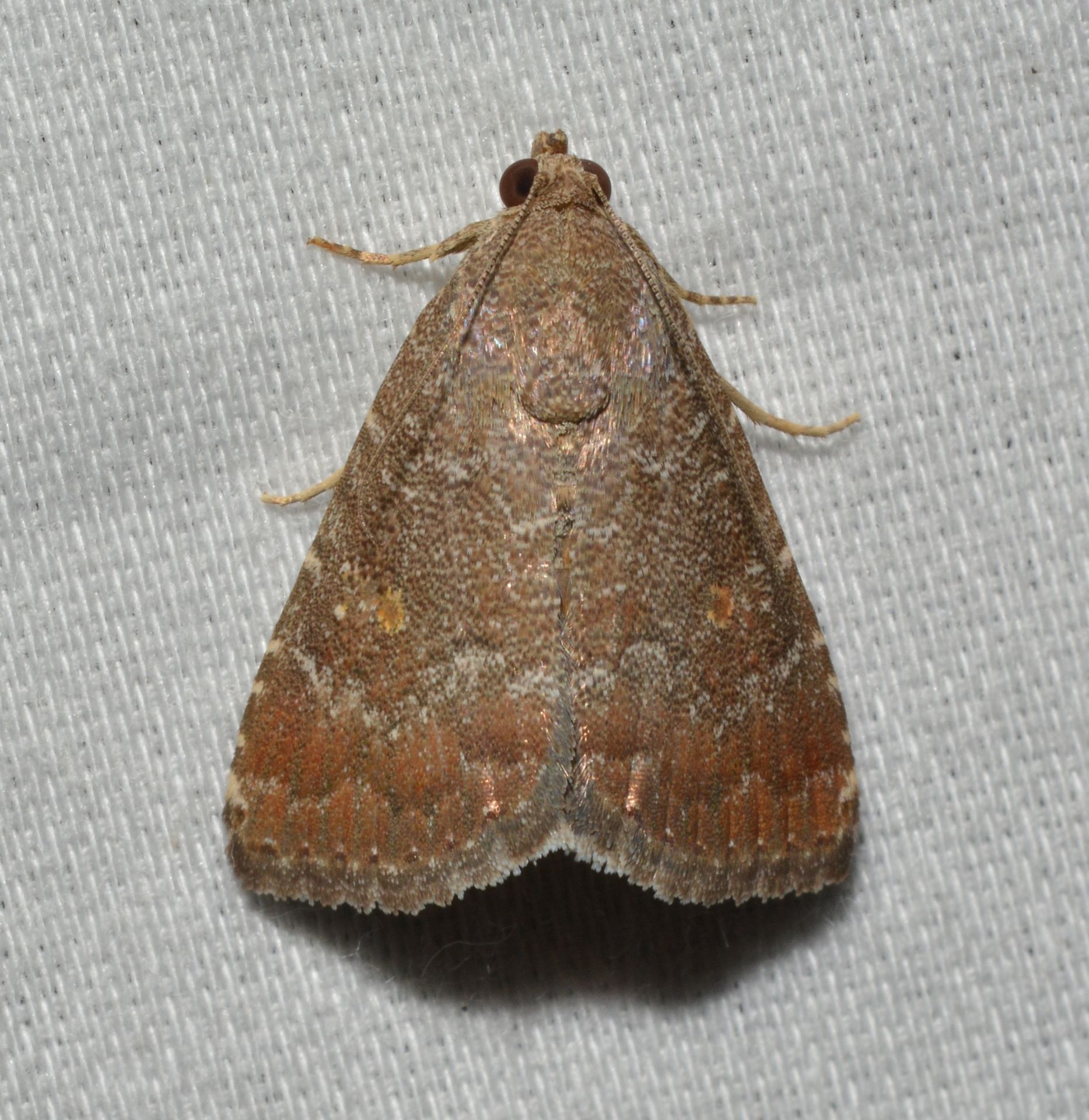
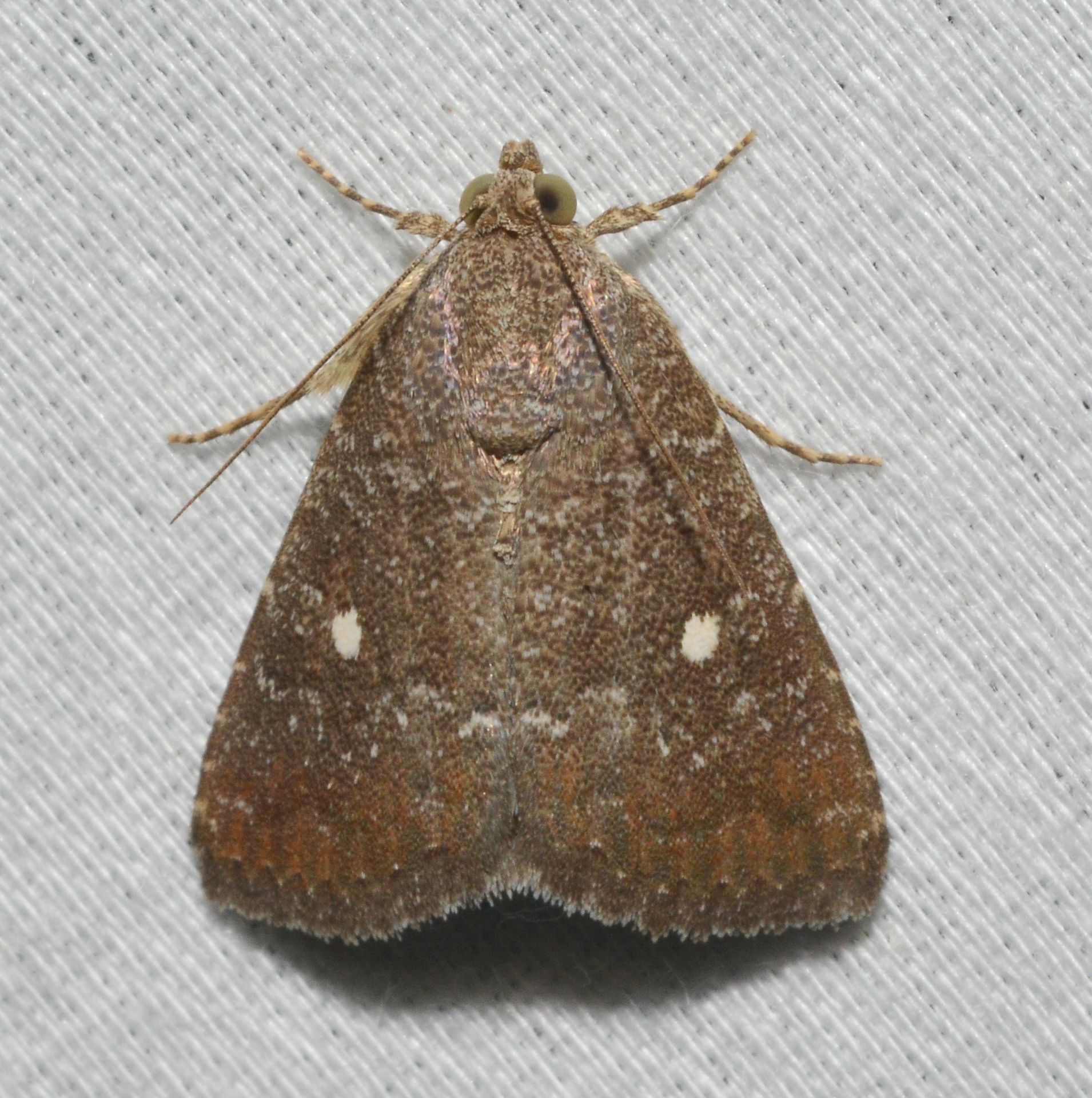
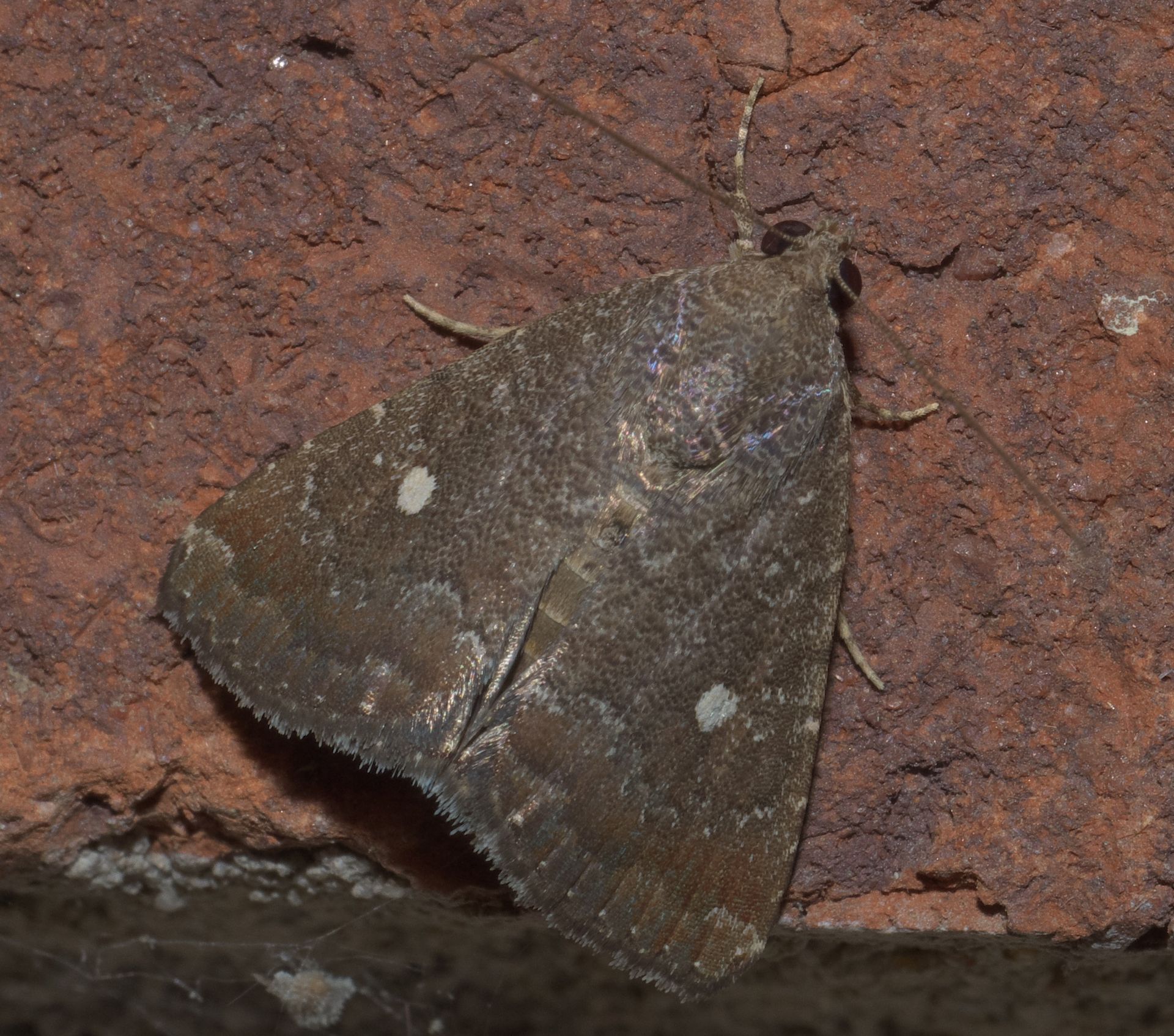
Amyna stricta, commonly known as the eight-spot , is a small owlet moth in the Noctuidae. are chocolate brown with a wingspan of 20–25 mm and display a characteristic obscure figure-of-eight mark on the forewings. The is notable for its broad distribution across the Americas and its status as a minor agricultural pest on legumes and other crops. Larvae exhibit -dependent color , ranging from pale green at low densities to heavily melanized forms at high densities.
Pronunciation
How to pronounce Amyna stricta: /ˈæmɪnə ˈstrɪktə/
These audio files are automatically generated. While they are not always 100% accurate, they are a good starting point.
Identification
Distinguished from similar Amyna by the obscure figure-of-eight mark on forewings and smaller size compared to Amyna punctum. Males identifiable by semi-transparent wing patches and forewing vesicle structure. Larvae may be confused with Chrysodeixis species caterpillars, requiring careful examination of number and striping pattern for separation.
Images
Distribution
North, Central, and South America. Common in southern North America from Florida to Arizona. Regular migrant to mid-eastern states; rare records north to Wisconsin, Ontario, and Quebec.
Seasonality
active August to October. Migrates north in late summer and fall.
Diet
Larvae feed on diverse plant including Amaranthus, Croton, Celosia, Digera, Helianthus, Chenopodium, Spinacia, Ipomoea, Ricinus, Arachis, Crotalaria, Medicago, Phaseolus, Hibiscus, Cardiospermum, Solanum, Corchorus, and Parasponia. Documented as irregular minor pest of mung beans (Vigna radiata), black-eyed peas (Vigna unguiculata), lucerne (Medicago sativa), and soybeans (Glycine max).
Life Cycle
Larvae perch on undersides of leaves and along stems and petioles, resting with abdominal segments looped upward. When alarmed, larvae jump from and wriggle wildly. Prepupal larvae turn pinkish. occurs in debris-incorporated silken cocoon below or at soil surface.
Behavior
Larvae exhibit -dependent color with melanistic forms predominating under crowded conditions. Defensive includes jumping from plant and vigorous writhing when disturbed. undergo seasonal northward in late summer and fall.
Ecological Role
Minor agricultural pest with broad larval diet. may be underreported due to larval resemblance to other noctuid caterpillars.
Human Relevance
Irregular minor pest of cultivated legumes including mung beans, black-eyed peas, lucerne, and soybeans. Larval potentially underestimated due to morphological similarity to Chrysodeixis caterpillars.
Similar Taxa
- Amyna punctumLarger size; A. stricta distinguished by smaller stature and figure-of-eight forewing mark
- Chrysodeixis speciesLarvae resemble A. stricta caterpillars; separation requires examination of structure and striping details
- Amyna axis (New World population)Formerly ; separated in 2015 based on distinct status of New World now classified as A. stricta