
Brachionycha borealis
Smith, 1899
Boreal Fan Moth
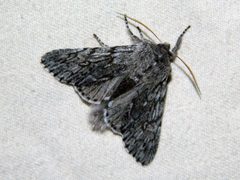
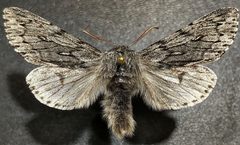
Brachionycha borealis is a noctuid described by Smith in 1899. It occurs across northern North America from Maine and Pennsylvania west to central Alberta. The has a single and is active in early spring, with flying from April to May. Larvae feed on oak and blueberry species.

Pronunciation
How to pronounce Brachionycha borealis: /brækɪˈɒnɪkə bɔːriˈeɪlɪs/
These audio files are automatically generated. While they are not always 100% accurate, they are a good starting point.
Identification
Distinguished from similar noctuid by its early spring period (April–May) and geographic range in and eastern North American forests. Specific diagnostic characters for this are not well documented in available sources.
Images
Appearance
Wingspan approximately 45 mm. consistent with Noctuidae characteristics.
Habitat
Found in forested supporting larval plants, including oak woodlands and areas with Vaccinium .
Distribution
North America: Maine and Pennsylvania west to central Alberta. Canadian records include Alberta, Manitoba, and Saskatchewan.
Seasonality
fly from April to May, with exact timing varying by location. One per year.
Diet
Larvae feed on Quercus (oak) and Vaccinium (blueberry) .
Host Associations
- Quercus - larval food plantoak
- Vaccinium - larval food plantblueberry
Life Cycle
One per year. overwinter, with larvae developing on plants and emerging in spring.
Ecological Role
Herbivore in forest ; larval feeding on woody plants contributes to nutrient cycling and plant dynamics.
Similar Taxa
- Other Brachionycha speciesSimilar ; distinguished by geographic range and period
- Other spring-flying NoctuidaeOverlap in timing; plant associations and range help separate
More Details
Taxonomic history
Originally described as Asteroscopus borealis by Smith in 1899; later transferred to Brachionycha.