
Alypia langtoni
Couper, 1865
Langton's Forester, Six-spotted Forester
Alypia langtoni, known as Langton's Forester or the Six-spotted Forester, is a in the Noctuidae. First described by William Couper in 1865, this exhibits in wing spotting pattern. Males possess eight white spots on black wings, while females have six. The species has a broad transcontinental distribution across North America, with larvae that feed on fireweed (Chamaenerion species). are active during daylight hours, an unusual trait among noctuids.
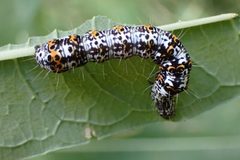
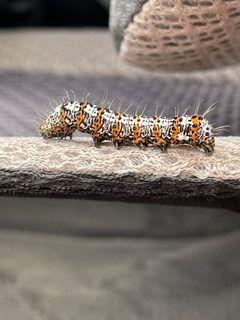
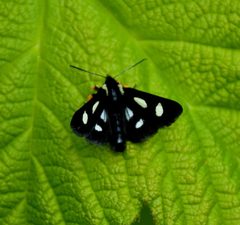
Pronunciation
How to pronounce Alypia langtoni: /əˈlɪpiə ˈlæŋtəni/
These audio files are automatically generated. While they are not always 100% accurate, they are a good starting point.
Identification
Distinguished from by spot count: males with eight spots, females with six (versus Alypia octomaculata, the Eight-spotted Forester, which has eight spots in both sexes). activity pattern separates it from most other North American noctuids. White-banded and black ground color with white spots are distinctive.
Images
Appearance
Small with wingspan approximately 30 mm. Body and wings black with contrasting white spots. Males have eight white spots total across both wings; females have six. distinctly banded with white rings. pronounced in spot number and arrangement.
Habitat
Associated with supporting larval plant Chamaenerion (fireweed), including disturbed areas, open woodlands, and riparian zones. Specific habitat preferences for not well documented.
Distribution
Transcontinental North America: Newfoundland to Alaska; south to Maine and Wisconsin in eastern portion of range; south to Colorado and California in western portion. Present in Canadian provinces of Alberta, Manitoba, and Saskatchewan; U.S. state of Vermont confirmed.
Seasonality
on wing May to July in one per year, with timing varying by location. Exact dependent on geographic position within broad range.
Diet
Larvae feed on Chamaenerion , particularly fireweed (Chamaenerion angustifolium, formerly Epilobium angustifolium). feeding habits not documented.
Host Associations
- Chamaenerion - larval food plantfireweed
Life Cycle
Single per year (). Larval stage feeds on fireweed. and details not documented in available sources.
Behavior
activity pattern—unusual for Noctuidae, which are predominantly . active during daylight hours.
Ecological Role
Larval herbivore on fireweed; specific functions not documented. Potential as , though not confirmed.
Human Relevance
No documented economic importance. Occasionally noted by naturalists for its distinctive appearance and habits. Not considered a pest .
Similar Taxa
- Alypia octomaculataEight-spotted Forester; both sexes have eight spots (versus six in female A. langtoni), eastern North American distribution
- Alypia ridingsiiFour-spotted Forester; reduced spot number, different geographic range
More Details
Taxonomic Note
Original description by Couper (1865) used spelling 'langtonii', but 'langtoni' is now widely accepted and used in major databases including Catalogue of Life and NCBI. GBIF retains 'langtonii' as fuzzy match.
Diurnal Noctuids
Alypia langtoni belongs to Agaristinae, which contains numerous —an exception to the predominantly lifestyle characteristic of most Noctuidae.