
Acronicta vinnula
Grote, 1864
delightful dagger moth
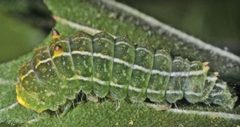
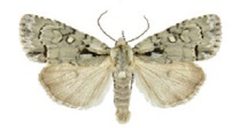
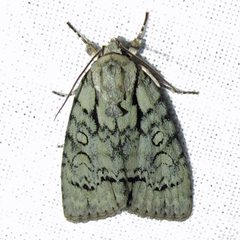
Acronicta vinnula, commonly known as the delightful dagger , is a small noctuid moth native to eastern North America. have a wingspan of 28–32 mm and are active from April through August, with at least two per year. The is notable for its larvae feeding exclusively on elm leaves.
Pronunciation
How to pronounce Acronicta vinnula: /əˈkroʊnɪktə ˈvɪnjʊlə/
These audio files are automatically generated. While they are not always 100% accurate, they are a good starting point.
Identification
are small noctuids with a wingspan of 28–32 mm. The specific wing pattern and coloration distinguishing A. vinnula from other Acronicta are not documented in available sources. The Acronicta (dagger moths) is characterized by distinctive black dagger-shaped markings on the forewings of many species, though this feature's presence in A. vinnula specifically is not confirmed.
Images
Habitat
Associated with elm trees, the larval plant. The occurs in environments where elm is present, though specific types are not documented.
Distribution
Eastern North America: Nova Scotia south to Florida, west to Texas, north to Wisconsin and Ontario.
Seasonality
are active from April to August, with timing varying by location. At least two occur per year.
Diet
Larvae feed on leaves of elm (Ulmus ). feeding habits are not documented.
Host Associations
- elm - larval larvae feed on leaves
Life Cycle
Complete with at least two per year. Specific details on , larval, pupal, and stages beyond timing are not documented.
Similar Taxa
- Acronicta betulaeAnother elm-feeding dagger in the same ; A. vinnula is smaller (28–32 mm vs. larger size in A. betulae) and has different timing
- Acronicta americanaLarger dagger with different plant associations; A. vinnula is smaller and more restricted in range and host use