
Acronicta impleta
Walker, 1856
yellow-haired dagger moth, powdered dagger
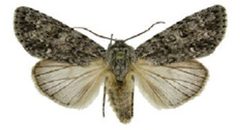
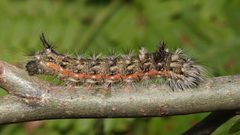
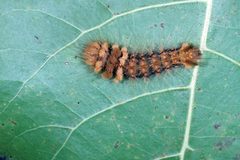
Acronicta impleta, commonly known as the yellow-haired dagger , is a noctuid moth native to most of North America. are active from April to July, with timing varying by location. The species is recognized by its moderate wingspan of approximately 42 mm. Larvae feed on the foliage of several deciduous tree including elm, maple, birch, willow, and oak. Two are recognized: A. i. impleta and A. i. illita.
Pronunciation
How to pronounce Acronicta impleta: /ˌækrəˈnɪktə ɪmˈpliːtə/
These audio files are automatically generated. While they are not always 100% accurate, they are a good starting point.
Identification
The can be distinguished from similar dagger moths ( Acronicta) by a combination of geographic range, period (April–July), and association with specific plants. The 'yellow-haired dagger ' suggests distinctive yellow setae, though this requires verification. The wingspan of ~42 mm provides a size reference for comparison with . Subspecific identification (A. i. impleta vs. A. i. illita) likely requires examination of geographic origin and subtle morphological differences not detailed in available sources.
Images
Habitat
Associated with deciduous forests and woodlands containing tree . Larval includes foliage of Ulmus (elm), Acer (maple), Betula (birch), Salix (willow), and Quercus (oak) species. Specific microhabitat preferences for are not documented.
Distribution
Present throughout most of North America. Documented occurrences include Canadian provinces of Alberta, Manitoba, and Saskatchewan, and the U.S. state of Vermont. The is considered widespread across the continent.
Seasonality
are on wing from April to July, with exact timing dependent on geographic location. This represents a spring to early summer period typical of many temperate noctuid .
Diet
Larvae feed on the leaves of Ulmus, Acer, Betula, Salix, and Quercus . feeding habits are not documented in available sources.
Host Associations
- Ulmus - larval plant
- Acer - larval plant
- Betula - larval plant
- Salix - larval plant
- Quercus - larval plant
Life Cycle
Complete with , larva, pupa, and stages. Specific details on number of per year, stage, or developmental duration are not documented in available sources.
Behavior
are attracted to light. Larvae are folivorous, feeding externally on tree leaves. No other behavioral details are documented in available sources.
Ecological Role
Larvae function as primary consumers of deciduous tree foliage. The serves as prey for and other natural enemies, though specific interactions are not documented. may contribute to pollination through incidental nectar feeding, though this is not confirmed.
Human Relevance
Not documented as an agricultural or forestry pest. The is occasionally encountered by naturalists and enthusiasts at light traps. No economic significance is reported in available sources.
Similar Taxa
- Acronicta americanaShares 'dagger ' and similar larval associations (including maple), but A. americana is generally larger and has a more eastern distribution with different .
- Acronicta betulaeAnother birch-feeding dagger with similar associations, but A. betulae is specifically associated with birch and has a more restricted eastern range extending to the western fringe in Kansas.
- Acronicta radcliffei with similar dagger , but associated with black cherry (Prunus serotina) rather than the of A. impleta.
More Details
Subspecies
Two are recognized: Acronicta impleta impleta and Acronicta impleta illita. The geographic boundaries and distinguishing characteristics between these subspecies are not detailed in available sources.
Taxonomic Note
The was described by Francis Walker in 1856. The Acronicta is part of the Acronictinae within Noctuidae, a group commonly known as dagger moths due to the characteristic dark dagger-shaped markings on the forewings of many species.