
Acronicta fragilis
Guenée, 1852
Fragile Dagger, fragile dagger moth
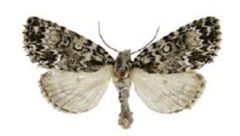
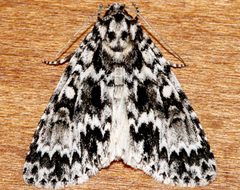
Acronicta fragilis, commonly known as the fragile dagger , is a small noctuid moth native to North America. First described by Guenée in 1852, it ranges from Newfoundland south to Florida and west across Canada. The is listed as a species of special concern in Connecticut. are active in early summer, with larvae feeding on several deciduous tree species.
Pronunciation
How to pronounce Acronicta fragilis: //əˈkɹɒnɪktə ˈfɹædʒɪlɪs//
These audio files are automatically generated. While they are not always 100% accurate, they are a good starting point.
Identification
A small dagger (wingspan ~30 mm) in the Acronicta, which contains numerous similar . Definitive identification likely requires examination of genitalia or detailed wing pattern analysis. The specific epithet 'fragilis' refers to an unspecified fragile characteristic, possibly of the or early life stages.
Images
Habitat
Associated with deciduous forests and woodlands containing plants including apple, birch, plum, willow, and white spruce. Specific preferences beyond host plant presence are not documented.
Distribution
North America: Newfoundland to Florida, west across Canada to Alberta, Saskatchewan, and Manitoba, south to Kentucky and Minnesota. Present in Vermont.
Seasonality
on wing from June to July, with timing varying by location. Single-brooded () inferred from narrow period.
Diet
Larvae feed on leaves of apple (Malus), birch (Betula), plum (Prunus), willow (Salix), and white spruce (Picea glauca). feeding habits not documented.
Host Associations
- Malus - larval food plantapple
- Betula - larval food plantbirch
- Prunus - larval food plantplum
- Salix - larval food plantwillow
- Picea glauca - larval food plantwhite spruce
Life Cycle
Complete with , larva, pupa, and stages. Specific details of developmental duration, stage, and site are not documented. Adults emerge in early summer (June-July), suggesting larvae feed in spring and early summer, with pupation occurring in soil or leaf litter.
Behavior
are and attracted to light. Larval not documented beyond feeding on foliage.
Ecological Role
Larvae function as herbivores on deciduous trees and conifers, potentially contributing to nutrient cycling through leaf consumption. and ecological impact are not studied. Serves as prey for and other natural enemies, though specific records are not documented.
Human Relevance
Occasional pest potential on apple and plum in orchards, though not considered a major agricultural pest. Listed as a of special concern in Connecticut, indicating conservation interest. No other documented human interactions.
Similar Taxa
- Acronicta americanaAmerican dagger moth is larger and more widespread; larvae have distinctive long black 'dagger' setae that A. fragilis lacks
- Acronicta betulaeBirch dagger moth is similar in size and also feeds on birch, but has more distinctive wing patterning with 'two-layered' appearance to forewings
- Other Acronicta speciesThe contains numerous similar small dagger moths requiring genital dissection or molecular analysis for reliable identification
More Details
Conservation Status
Listed as a of special concern in Connecticut, USA. This designation indicates potential vulnerability but does not confer legal protection equivalent to threatened or endangered status.
Subspecies
Two recognized: Acronicta fragilis minella and Acronicta fragilis fragiloides. Geographic ranges and distinguishing characteristics of subspecies are not documented in available sources.
Taxonomic History
Originally described as Microcoelia fragilis by Guenée in 1852, later transferred to Acronicta.