
Toxocampinae
Guenée, 1852
Genus Guides
2Toxocampinae is a of within the Erebidae, superfamily Noctuoidea. The subfamily was previously classified as the tribe Toxocampini within the former subfamily Catocalinae, but phylogenetic analysis supports its recognition as a distinct subfamily outside the Erebinae (formerly Catocalinae). Males possess a primitive form of genital claspers resembling those found in some Noctuidae subfamilies. The subfamily includes approximately 200 across six , with the genus Lygephila being among the most studied.
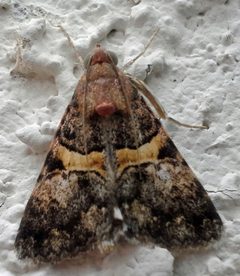
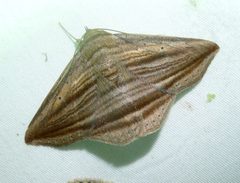
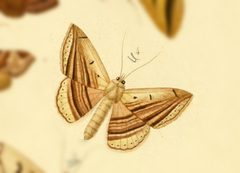
Pronunciation
How to pronounce Toxocampinae: //tɒksəʊˈkæmpɪˌniː//
These audio files are automatically generated. While they are not always 100% accurate, they are a good starting point.
Identification
Males can be distinguished from related Erebidae by the presence of primitive genital claspers, a morphological trait shared with some Noctuidae subfamilies rather than with most other Erebidae. This character was historically important in establishing the subfamily's taxonomic placement. -level identification within Toxocampinae requires examination of genitalia and wing pattern details; the Lygephila contains several closely related species pairs requiring careful dissection for reliable determination.
Images
Distribution
occur across the Palearctic, Afrotropical, and Oriental regions. The Lygephila has documented presence in Europe and Asia, with distribution patterns of individual species subject to ongoing taxonomic revision. The presence of Lygephila vulcanea in Russia has been disputed.
Similar Taxa
- Erebinae (formerly Catocalinae)Historically confused with Toxocampinae; distinguished by derived genital claspers and phylogenetic placement. Toxocampinae was previously classified within Catocalinae as tribe Toxocampini.
- Noctuidae subfamiliesShare primitive genital clasper with Toxocampinae males, though this represents convergent or retained ancestral traits rather than close relationship; distinguished by overall -level characteristics of Erebidae versus Noctuidae.