
Rusicada privata
(Walker, 1865)
Hibiscus Leaf Caterpillar Moth
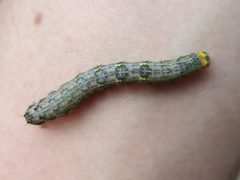
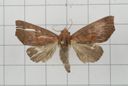
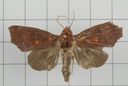
Rusicada privata is a in the Erebidae, commonly known as the hibiscus-leaf caterpillar moth. The was first described by Francis Walker in 1865. It occurs in East Asia (China, Taiwan, Japan) and has been recorded in North America, particularly the northeastern United States. The specific epithet and suggest an association with hibiscus plants.
Pronunciation
How to pronounce Rusicada privata: //ruˈsiː.kə.də praɪˈvɑː.tə//
These audio files are automatically generated. While they are not always 100% accurate, they are a good starting point.
Identification
The can be distinguished from similar Rusicada species by genitalic examination; external alone is insufficient for reliable identification. The combination of geographic origin and plant association may aid identification where ranges do not overlap with .
Images
Habitat
Associated with areas where hibiscus plants (Malvaceae) grow, suggesting gardens, agricultural settings, and natural areas with suitable vegetation. Specific requirements beyond host presence are not documented.
Distribution
Native to East Asia: China, Taiwan, and Japan. Introduced or vagrant recorded in North America, with verified sightings concentrated in the northeastern United States (including Vermont).
Seasonality
activity periods are not well documented; likely multivoltine in warmer parts of its range where hibiscus grows year-round.
Diet
Larvae feed on hibiscus (Hibiscus spp.) and related Malvaceae. Specific feeding habits (nectar sources, etc.) are not documented.
Host Associations
- Hibiscus - larval food plant and specific epithet suggest primary association; exact range not specified in sources
Life Cycle
Complete with , larval, pupal, and stages. Larvae are leaf-feeding caterpillars on hibiscus. Detailed and number of per year vary by climate.
Behavior
Larvae feed on hibiscus leaves, causing defoliation. activity typical of Erebidae. Specific mating, , or defensive are not documented.
Ecological Role
Herbivore in larval stage; contributes to nutrient cycling through leaf consumption and processing. Potential pest in ornamental hibiscus .
Human Relevance
Recognized as a pest of ornamental hibiscus in gardens and nurseries. Not known to impact native in North America where it appears to be non-native.
Similar Taxa
- Rusicada fulvida with overlapping distribution in parts of Asia; requires genitalic dissection for reliable separation
- Anomis spp.Formerly classified in this ; related erebids with similar larval habits on Malvaceae
More Details
Taxonomic History
Originally described as Gonitis privata by Walker in 1865, later transferred to Anomis, and currently placed in Rusicada based on revised generic limits in Erebidae. The multiple generic reassignments reflect ongoing refinement of classification within the former Noctuidae complex.
North American Records
North American occurrence requires confirmation of established versus repeated introduction; some records may represent transient individuals or localized introductions via horticultural trade.