
Rusicada
Walker, 1858
Species Guides
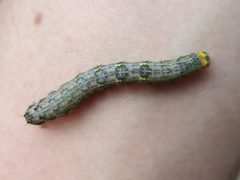
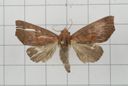
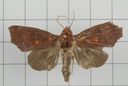
1- Rusicada privata(Hibiscus Leaf Caterpillar Moth)
Rusicada is a of in the Erebidae, Erebinae. The genus was established by Walker in 1858 and has been subject to taxonomic revision, with previously placed in the genus Anomis now recognized as belonging to Rusicada. Members of this genus are known as fruit-piercing moths, with capable of piercing fruit skins to feed on juices. The genus contains multiple species distributed across tropical and subtropical regions.
Pronunciation
How to pronounce Rusicada: /ɹuːsɪˈkɑːdə/
These audio files are automatically generated. While they are not always 100% accurate, they are a good starting point.
Identification
Rusicada can be distinguished from related by their characteristic fruit-piercing structure, which is adapted for penetrating fruit skins. generally have stout bodies with cryptic brown or gray coloration that provides camouflage against bark. The forewings typically show subtle patterning with variable lines and spots. Species-level identification requires examination of genitalia and wing pattern details. The genus is most readily separated from superficially similar noctuoid by the combination of the modified proboscis tip and specific wing venation patterns.
Images
Habitat
Tropical and subtropical forests, orchards, and agricultural areas where fruits are available. are often found near ripening or overripe fruit. Larval vary by but generally include low vegetation in forest edges and disturbed areas.
Distribution
Pantropical distribution, with occurring in Africa, Asia, Australia, and the Pacific Islands. Individual species have more restricted ranges within this broad distribution.
Diet
feed on fruit juices, using a modified to pierce fruit skins. Larval diet varies by but includes leaves of various plants; specific plant records exist for some species but are not comprehensively documented for the .
Host Associations
- Fruits - food source pierce ripening or overripe fruit to feed on juices; economically significant in orchards
Life Cycle
Complete with , larva, pupa, and stages. Larvae are generally ground-dwelling or found on low vegetation. occurs in soil or leaf litter. Specific developmental timing varies by and region.
Behavior
are and attracted to light. They exhibit fruit-piercing , using their specialized to penetrate fruit skins and feed on internal juices. This behavior often brings them into conflict with agriculture. Adults may travel significant distances in search of fruiting .
Ecological Role
act as frugivores, potentially contributing to nutrient cycling through damaged fruit. They may also serve as prey for bats, birds, and other . Larvae function as herbivores, though their ecological impact is generally minor compared to the adult stage.
Human Relevance
Several are significant agricultural pests, particularly in fruit orchards where piercing damage leads to fruit rot and secondary . The includes species known as 'fruit-piercing moths' that affect crops such as citrus, mango, and guava. Control measures often involve physical protection of fruit and light trapping of adults.
Similar Taxa
Misconceptions
The was long treated as part of Anomis, leading to outdated literature and misidentifications. Current recognizes Rusicada as distinct, and references to 'Anomis' in older sources often apply to now in Rusicada.
More Details
Taxonomic history
Walker established Rusicada in 1858, but the name was largely overlooked until recent revisions resurrected it for previously placed in Anomis. This reclassification reflects improved understanding of phylogenetic relationships within Erebinae.
Economic significance
The fruit-piercing habit makes this economically important in tropical agriculture. Unlike many pests where larvae cause damage, the stage is the primary concern in Rusicada.