
Hypocalinae
Genus Guides
5- Aon
- Goniapteryx
- Hypocala
- Hypsoropha(necklace moths)
- Psammathodoxa
Hypocalinae is a of within the Erebidae, comprising approximately five recognized . The subfamily includes the type genus Hypocala, established by Guenée in 1852. Members are classified under the order Lepidoptera and are distributed across multiple zoogeographic regions. The subfamily is distinguished by morphological characteristics that separate it from other erebid subfamilies, though detailed biological studies remain limited for many constituent .
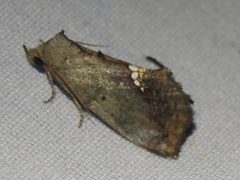
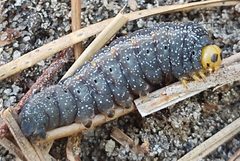
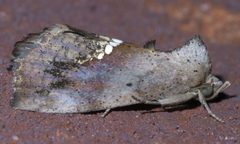
Pronunciation
How to pronounce Hypocalinae: /haɪpoʊˈkælaɪniː/
These audio files are automatically generated. While they are not always 100% accurate, they are a good starting point.
Identification
Hypocalinae can be distinguished from other Erebidae by combinations of wing venation patterns and genitalia , though specific diagnostic features vary by . The type genus Hypocala exhibits characteristic forewing patterns with distinct and spots. Differential from related subfamilies such as Erebinae and Calpinae requires examination of male genitalia valvae structure and abdominal tympanal organs. -level identification within Hypocala often relies on subtle differences in wing pattern elements and size.
Images
Distribution
The has been documented across multiple continents, with constituent showing distinct geographic patterns. Hypocala occur in tropical and subtropical regions of Asia, Africa, and Australia. Goniapteryx is distributed in the Neotropical region. Hypsoropha occurs in North America. Psammathodoxa is known from Central America. Aon has been recorded from North America.
Similar Taxa
More Details
Taxonomic history
The classification of Hypocalinae has undergone revision as molecular has reshaped understanding of Erebidae relationships. Some previously placed in other have been reassigned based on combined morphological and genetic evidence.
Research status
Despite containing over 10,000 observations on iNaturalist, detailed and ecological studies are sparse for most Hypocalinae . The majority of research focuses on the type Hypocala, particularly species of agricultural concern.