
Renia sobrialis
Walker, 1859
Sober Renia Moth, sober renia
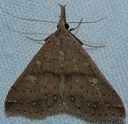
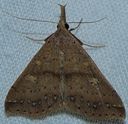
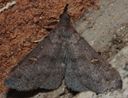
Renia sobrialis, commonly known as the Sober Renia , is a litter moth in the Erebidae. First described by Francis Walker in 1859, this small moth is widespread in eastern North America. are active from spring through late summer, and the larvae feed on decomposing leaf litter.
Pronunciation
How to pronounce Renia sobrialis: /ˈrɛ.ni.a soʊˈbri.aˌlɪs/
These audio files are automatically generated. While they are not always 100% accurate, they are a good starting point.
Identification
Can be distinguished from other Renia by geographic range and period, though precise diagnostic characters require examination. The wingspan of 24–27 mm and the relatively plain, sober coloration separate it from more boldly patterned . Genitalia examination may be necessary for definitive identification.
Images
Habitat
Forest and woodland where leaf litter accumulates. Associated with areas supporting substantial ground cover of decomposing plant material.
Distribution
Eastern North America, ranging from Nova Scotia south to Florida, and west to Mississippi and Minnesota. GBIF records confirm presence in Vermont and broader North American distribution.
Seasonality
are on wing from April through September, with a multi-month period spanning spring, summer, and early autumn.
Diet
Larvae feed on dead leaves, functioning as in forest floor . feeding habits not documented.
Life Cycle
Complete with , larval, pupal, and stages. Larval stage specializes on decomposing leaf litter rather than living plant tissue. Specific timing of stages not documented.
Behavior
are , as is typical for Erebidae . Larvae inhabit leaf litter layer. Specific behavioral details beyond period and larval feeding substrate are not documented.
Ecological Role
Larvae contribute to decomposition and nutrient cycling in forest through consumption of dead leaf material. Role in as prey for not quantified.
Human Relevance
No documented economic or agricultural significance. Occasionally encountered by naturalists and enthusiasts. Not considered a pest .
Similar Taxa
- Other Renia speciesShare similar size range, preferences, and subdued coloration; require careful examination or genitalia dissection for reliable separation.
- Other Herminiinae litter mothsOccupy similar and may show convergent ; identification relies on subtle wing pattern differences and genitalia structure.
More Details
Nomenclature
The specific epithet 'sobrialis' and 'sober renia' both reference the relatively plain, unmarked appearance compared to more relatives.
Taxonomic history
Described by Francis Walker in 1859, a prolific 19th-century entomologist who described thousands of Lepidoptera .