
Idia scobialis
Grote, 1880
Smoky Idia Moth, smoky idia
Idia scobialis is a small litter moth in the Erebidae, first described by Grote in 1880. It occurs across eastern North America from southern Canada to the southeastern United States. The has a wingspan of approximately 20 mm and completes one per year. Larvae are , feeding on dead leaves and other organic debris.
Pronunciation
How to pronounce Idia scobialis: /ˈɪdiə skoʊˈbaɪəlɪs/
These audio files are automatically generated. While they are not always 100% accurate, they are a good starting point.
Identification
Distinguished from similar Idia by its smoky gray-brown coloration and specific geographic range. The combination of small size (20 mm wingspan), unpatterned or subtly patterned forewings, and eastern North American distribution helps separate it from . Exact identification may require examination of genitalia or reference to regional keys.
Images
Appearance
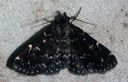
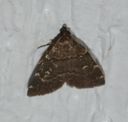
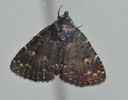
Wingspan approximately 20 mm. As a member of the litter moth Idia, it has relatively broad, rounded forewings with muted coloration. The specific epithet 'scobialis' (meaning sawdust-like) suggests a dusty or smoky gray-brown appearance.
Habitat
Associated with forest floor litter and areas where dead leaves accumulate. As a in larval stages, it requires with substantial organic debris.
Distribution
North America: Michigan, southern Quebec, and Maine south to Florida and at least Kentucky. Records also include Vermont.
Seasonality
One per year. are active during the warmer months; specific period not documented in available sources.
Diet
Larvae feed on detritus, specifically including dead leaves.
Life Cycle
(one per year). Complete with , larva, pupa, and stages. Larval stage feeds on detritus.
Ecological Role
Larval detritivory contributes to decomposition and nutrient cycling in forest by processing dead leaf material.
Human Relevance
Attracted to blacklight, making it observable by enthusiasts. No documented economic or agricultural significance.
Similar Taxa
- Other Idia speciesSeveral share similar size, , and general appearance; I. scobialis is distinguished by its smoky coloration and eastern North American range, though precise separation often requires expert examination
More Details
Original description
First described by Augustus Radcliffe Grote in 1880, originally placed in Pseudaglossa
Observation frequency
Well-represented in citizen science platforms with over 1,100 iNaturalist observations