
Idia lubricalis
Geyer, 1832
Glossy Black Idia Moth, Glossy Black Idia
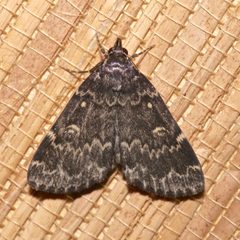
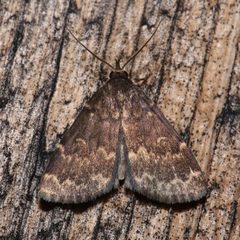
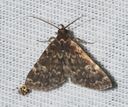
Idia lubricalis, commonly known as the Black Idia , is a litter moth in the Erebidae. The was first described by Carl Geyer in 1832. It is a small to medium-sized moth with a wingspan of 24–36 mm, found in deciduous forests across eastern North America from Canada to Florida and Texas. are active from May through September, with multiple occurring annually in southern portions of its range.
Pronunciation
How to pronounce Idia lubricalis: /ˈɪdiə luːˈbrɪkəlɪs/
These audio files are automatically generated. While they are not always 100% accurate, they are a good starting point.
Identification
Distinguished from similar Idia by its black coloration. Formerly, Idia occidentalis was considered a but is now recognized as a separate species. The two recognized subspecies of I. lubricalis (partitalis and cobeta) may show geographic variation in appearance. Identification to species level requires examination of specimens; genitalia dissection may be necessary for definitive identification from closely related species.
Images
Habitat
Deciduous forests. Larval includes the forest floor where fungi, lichens, and decaying organic matter occur.
Distribution
Eastern North America from Canada (Alberta, Manitoba, Saskatchewan, and eastern provinces) south to Florida and Texas. Present in Vermont and throughout the eastern United States.
Seasonality
on wing from May to September. Multiple per year in the southern part of the range; fewer generations in northern areas.
Diet
Larvae feed on various fungi and lichens. They have also been observed feeding on other organic matter including rotting wood and grass on the forest floor.
Life Cycle
Multiple per year in southern portions of range. Complete with , larval, pupal, and stages. Larvae develop on forest floor feeding on fungi, lichens, and decaying matter.
Behavior
are attracted to light. Activity period extends through warm months with overlapping in southern .
Ecological Role
Larvae function as decomposers, consuming fungi, lichens, and decaying plant material on the forest floor. This contributes to nutrient cycling in deciduous forest .
Human Relevance
Occasionally attracted to artificial light sources, making it observable by enthusiasts and researchers. Documented in citizen science platforms including iNaturalist with over 9,600 observations. Subject of blacklighting surveys for biodiversity documentation.
Similar Taxa
- Idia occidentalisFormerly treated as a of I. lubricalis but now recognized as a distinct ; likely similar in appearance and may require careful examination to distinguish
- Idia lubricalis partitalis; geographic variation in
- Idia lubricalis cobeta; geographic variation in
- Other Idia species contains multiple similar-appearing litter moths; identification requires attention to wing pattern, color intensity, and genitalia
More Details
Taxonomic History
Originally described as Epizeuxis lubricalis by Geyer in 1832. The has undergone taxonomic revision, with Idia occidentalis separated from it. Two are currently recognized: I. l. partitalis and I. l. cobeta.
Conservation Status
Not evaluated for conservation status; appears to be widespread and relatively common based on iNaturalist observation data.