Idia laurentii
Smith, 1893
Laurentine Idia, Appalachian Idia
Idia laurentii is a litter moth in the Erebidae, first described by J. B. Smith in 1893. It is to the Appalachian region of the eastern United States, ranging from central New York south to the mountains of North Carolina. The has a with one per year. Larvae have been documented feeding on dead cherry leaves.
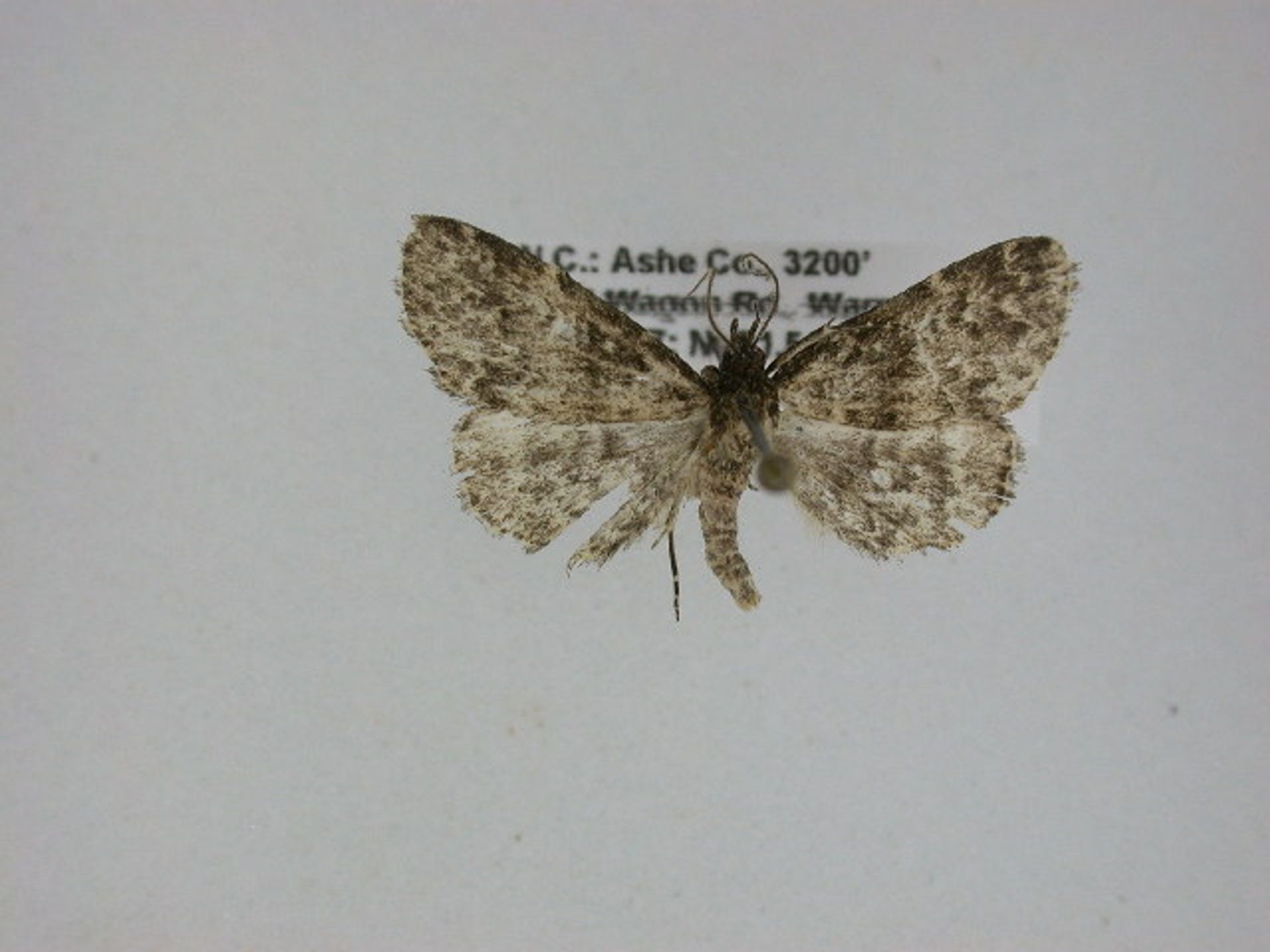
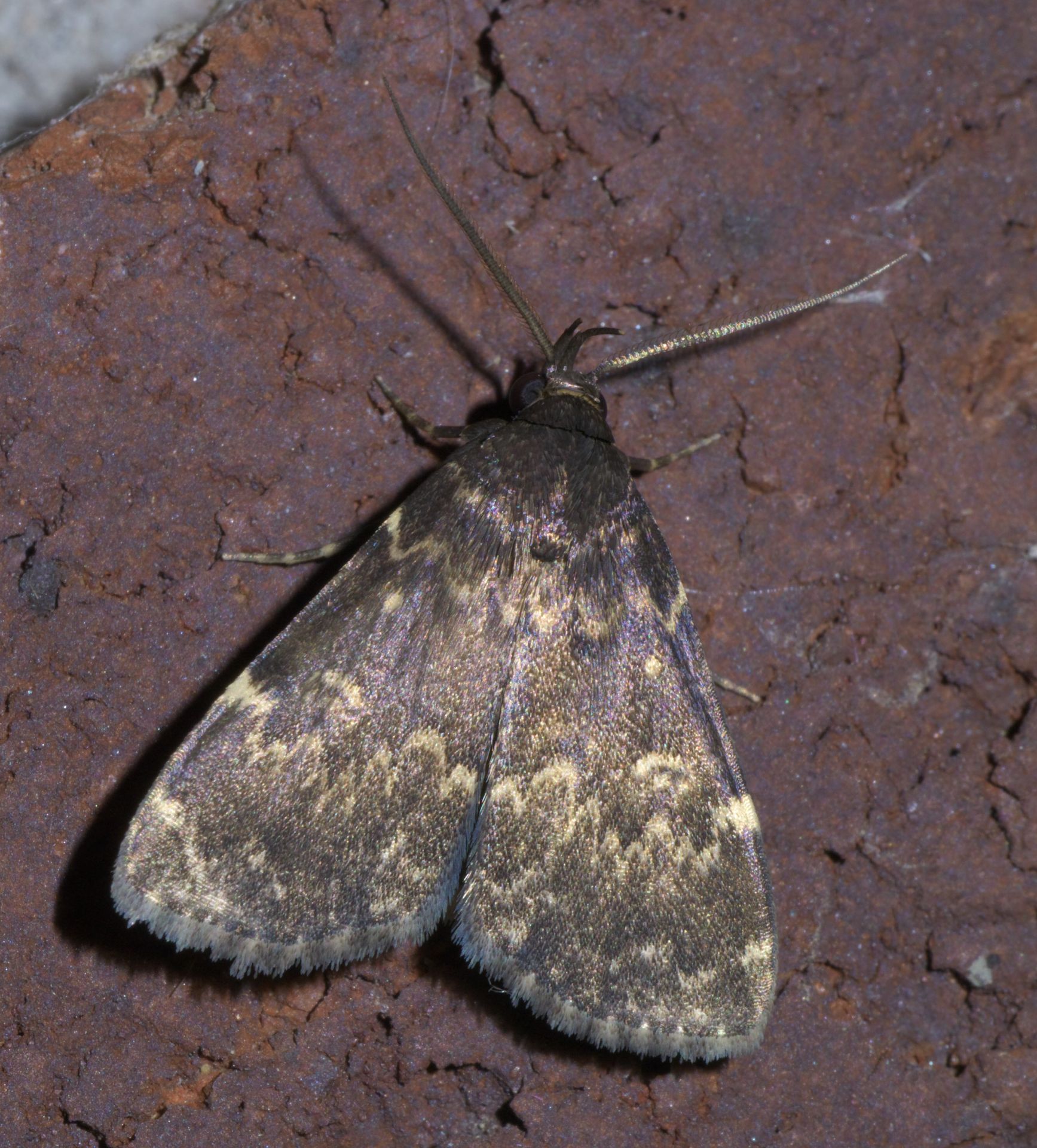
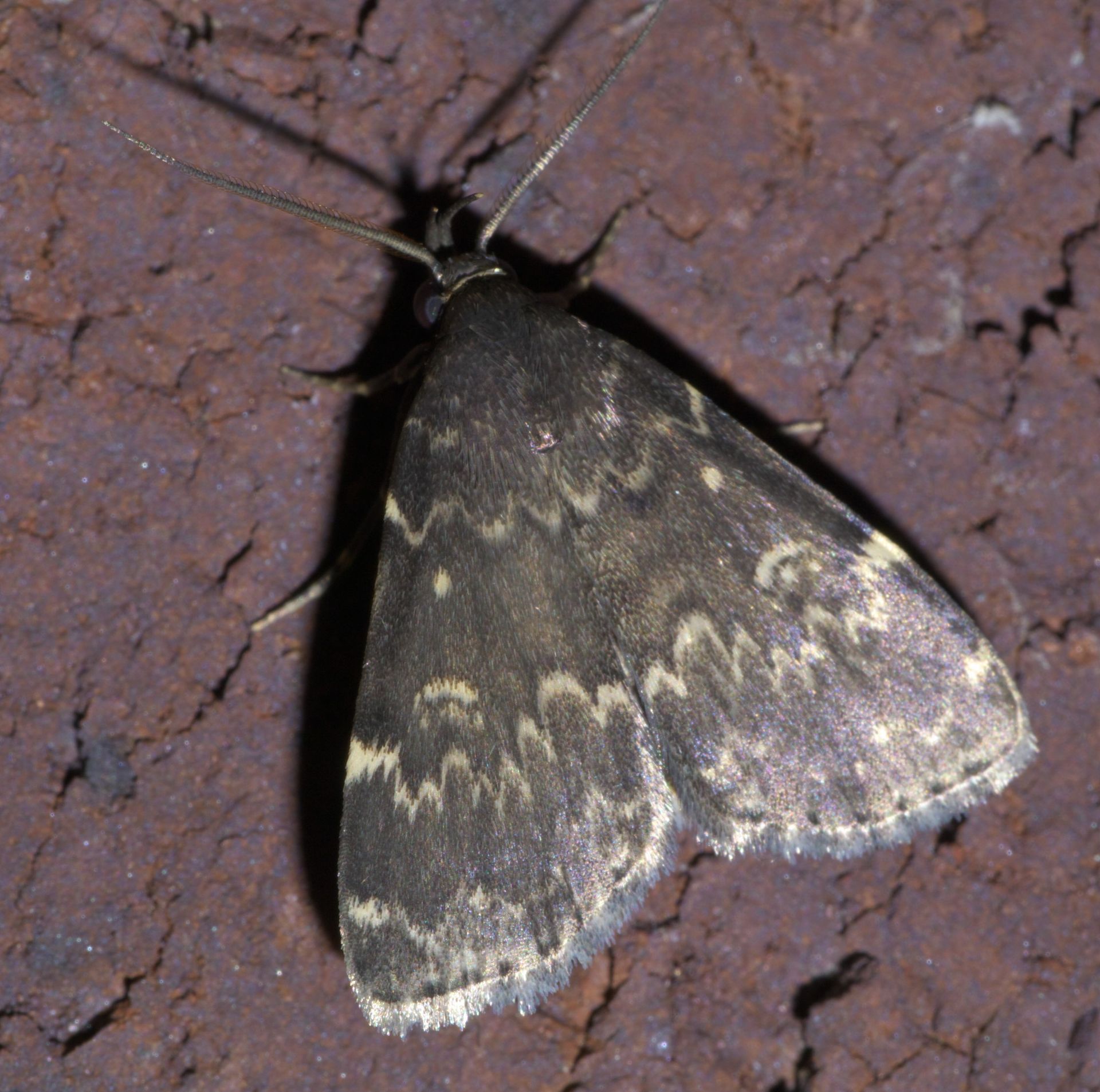
Pronunciation
How to pronounce Idia laurentii: //ˈɪdiə laʊˈrɛnti.aɪ//
These audio files are automatically generated. While they are not always 100% accurate, they are a good starting point.
Images
Distribution
United States: central New York south through the Appalachian Mountains to North Carolina
Seasonality
One per year ()
Diet
Larvae feed on dead leaves of cherry (Prunus spp.)
Host Associations
- Prunus - larval food sourcedead leaves
Life Cycle
: one per year
More Details
Nomenclature
The epithet 'laurentii' refers to the St. Lawrence River region, reflecting the type locality in central New York. The 'Laurentine Idia' derives from this epithet, while 'Appalachian Idia' refers to its restricted Appalachian distribution.
Taxonomic History
Originally described in 1893, this remains classified in the Herminiinae, a group of commonly known as litter moths due to their larval association with decaying plant material.