
Idia denticulalis
Harvey, 1875
Toothed Idia Moth
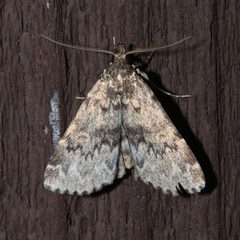
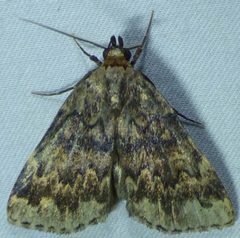
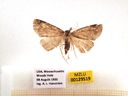
Idia denticulalis is a small litter moth in the Erebidae, first described by Leon F. Harvey in 1875. The is widely distributed across eastern and central North America, from Quebec south to Alabama and Texas. are active from spring through late summer, with timing varying by latitude. Larvae feed on lichen and detritus.
Pronunciation
How to pronounce Idia denticulalis: /ˈɪd.i.ə dɛnˌtɪ.kjuːˈleɪ.lɪs/
These audio files are automatically generated. While they are not always 100% accurate, they are a good starting point.
Identification
A small with wingspan approximately 25 mm. The specific epithet "denticulalis" refers to toothed features, likely on the wing margins or genitalia. As a member of Idia, it shares the general herminiine moth form: relatively broad wings held flat at rest, typically with muted brown or gray coloration with intricate patterning. Precise external diagnostic features distinguishing it from such as Idia americalis are not documented in available sources.
Images
Habitat
Associated with forest floor litter and wooded environments where larval food sources (lichen and detritus) accumulate.
Distribution
Quebec, Canada; United States from Wisconsin to New England, south to Alabama and Texas. Records include Vermont.
Seasonality
active April to September in Maryland; July to August in Quebec. One per year in northern range, two or more generations in southern range.
Diet
Larvae feed on lichen and detritus, including dead leaves.
Life Cycle
One annually in northern ; two or more generations in southern populations. stage not specified in available sources.
Behavior
are and attracted to light.
Ecological Role
Decomposer; larvae contribute to nutrient cycling by consuming dead plant material and lichen.
Human Relevance
Occasionally encountered at blacklight sheets by enthusiasts. Documented in citizen science platforms including iNaturalist.
Similar Taxa
- Idia americalisCongeneric litter moth with overlapping range; external similar, requiring examination of genitalia or wing for definitive identification