
Argyrostrotis flavistriaria
Hübner, 1831
Yellow-lined Chocolate Moth
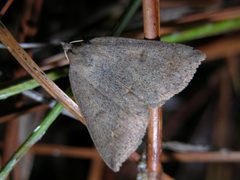
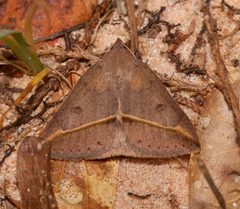
Argyrostrotis flavistriaria, commonly known as the yellow-lined chocolate , is a moth in the Erebidae. First described by Jacob Hübner in 1831, it is primarily distributed in the southeastern United States. The species is notable for its specialized larval relationship with Cyrilla racemiflora.
Pronunciation
How to pronounce Argyrostrotis flavistriaria: /ɑrˌdʒɪroʊˈstroʊtɪs ˌfleɪvɪˈstraɪərɪə/
These audio files are automatically generated. While they are not always 100% accurate, they are a good starting point.
Identification
The refers to diagnostic yellow lines on the wings, though specific pattern details require verification from original descriptions or specimen images. As a member of Argyrostrotis, it may share general wing shape and body proportions with , but distinguishing features from related are not documented in available sources.
Images
Distribution
Southeastern United States: North Carolina south to Florida and west to Texas.
Diet
Larvae feed on Cyrilla racemiflora (titi, leatherwood). feeding habits are not documented.
Host Associations
- Cyrilla racemiflora - larval sole documented plant
Similar Taxa
- Argyrostrotis anilis with potentially overlapping range in southeastern US; specific distinguishing characters not documented in available sources.
- Argyrostrotis erasa with similar distribution; wing pattern differences require verification from taxonomic keys.