
Phoberia
Hübner, 1818
Species Guides
2- Phoberia atomaris(Common Oak Moth)
- Phoberia ingenua
Phoberia is a of in the Erebidae, Erebinae, established by Jacob Hübner in 1818. The genus contains at least two recognized , including Phoberia atomaris (common oak moth) and Phoberia ingenua. Species in this genus are associated with oak-dominated . The genus is native to North America, with documented observations from the United States including Vermont.
Pronunciation
How to pronounce Phoberia: /foʊˈbɪəriə/
These audio files are automatically generated. While they are not always 100% accurate, they are a good starting point.
Identification
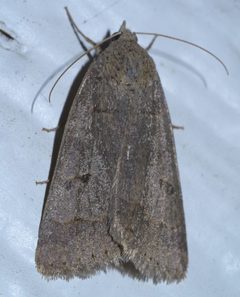
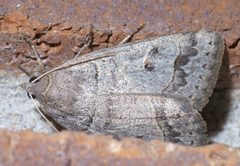
Phoberia can be distinguished from related erebid by their specific wing patterns and association with oak . Phoberia atomaris (common oak moth) can be recognized by its characteristic markings. Definitive identification to species level requires examination of genitalia or detailed wing pattern analysis.
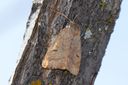
Images
Habitat
Associated with oak woodlands and forests. The of Phoberia atomaris indicates a strong ecological link to oak (Quercus) trees.
Distribution
North America, with confirmed records from the United States including Vermont. Distribution appears centered in eastern North America based on available occurrence data.
Host Associations
- Quercus - Phoberia atomaris is known as the common oak moth, indicating larval feeding on oak .
Ecological Role
Larvae function as herbivores on oak foliage, contributing to nutrient cycling in deciduous forest . likely serve as prey for including bats and birds.
Similar Taxa
- Other Erebinae generaPhoberia shares general body plan and habits with other underwing and related in the Erebinae, requiring careful examination for accurate identification.