
Cissusa spadix
Cramer, 1780
Black-dotted Brown Moth
Pronunciation
How to pronounce Cissusa spadix: /sɪˈsuːsə ˈspeɪdɪks/
These audio files are automatically generated. While they are not always 100% accurate, they are a good starting point.
Identification
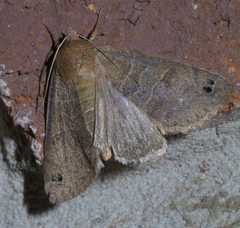
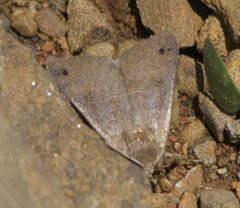
Distinguished from similar brown erebid by the presence of distinct black dots on the forewings. The combination of moderate size (35 mm wingspan), brown coloration, and spotted pattern separates it from unmarked or differently patterned and related in the Calpinae .
Images
Appearance
Medium-sized with wingspan approximately 35 mm. Coloration predominantly brown with characteristic black dots on the forewings. Overall muted, cryptic coloration typical of many Erebidae .
Distribution
Ontario and Quebec, Canada, south through most of the United States to Arizona and Georgia. Widespread across eastern and central North America.
Human Relevance
Documented in Georgia suggest occasional economic or nuisance significance, though specific impacts are not detailed in available sources.
Similar Taxa
- Other Cissusa speciesSimilar size and general brown coloration; distinguished by specific pattern of black dots on forewings in C. spadix
- Unmarked brown erebid moths in CalpinaeShare and general habitus; C. spadix distinguished by presence of black dots
More Details
Original Description
Originally described as Phalaena spadix by Cramer in 1780, later transferred to Cissusa.
Outbreak Documentation
Specific events in Georgia have been documented, indicating potential for irruptions under favorable conditions.