Catocala whitneyi
Dodge, 1874
Whitney's Underwing

Pronunciation
How to pronounce Catocala whitneyi: /kætəˈkeɪlə ˈwɪtni.aɪ/
These audio files are automatically generated. While they are not always 100% accurate, they are a good starting point.
Identification
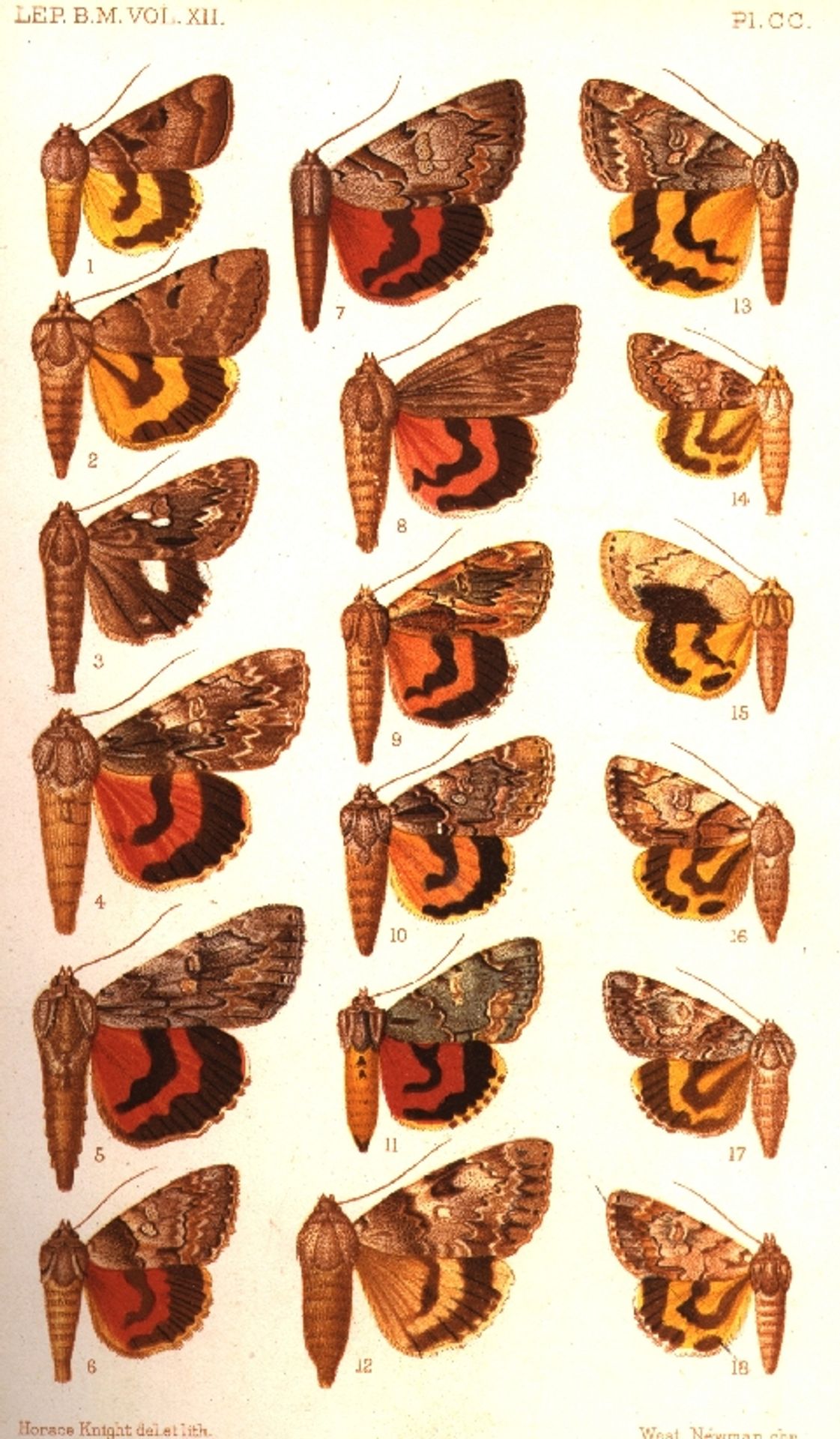
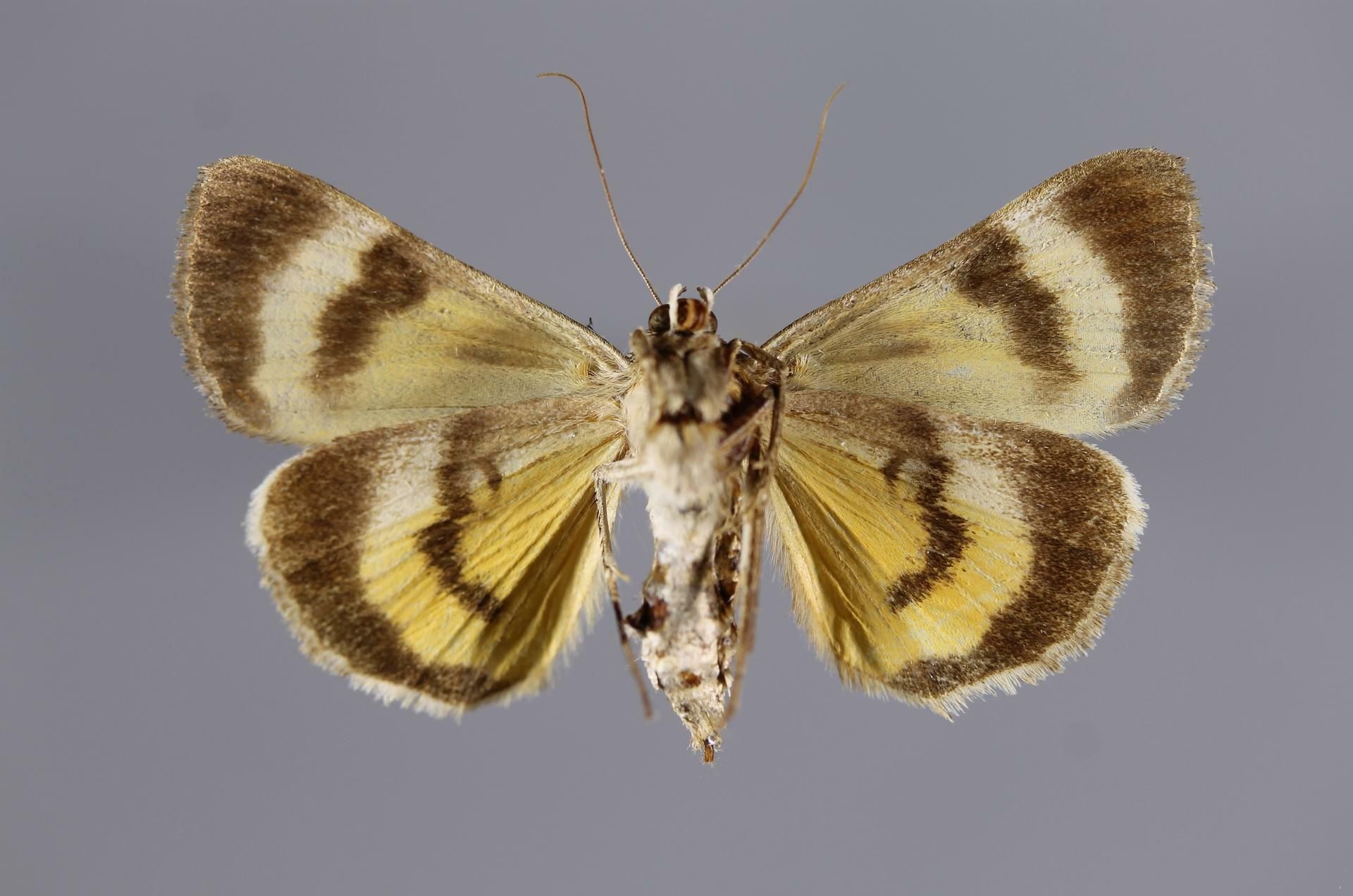
Members of Catocala are recognized by their underwing posture: forewings held together over the back at rest, hiding the hindwings beneath. Specific identification of C. whitneyi requires examination of hindwing pattern and genitalia characters. The occurs in the northern Great Plains and upper Midwest, with records west to Utah, distinguishing it from eastern and southern Catocala species.
Images
Appearance
have a wingspan of 45–50 mm. Like other underwing moths, forewings are dull-colored and cryptic, serving as camouflage when at rest with wings folded. Hindwings are concealed beneath forewings and display bold coloration when exposed.
Habitat
Associated with supporting larval plants in the Amorpha. Found in prairie and open woodland environments across its range.
Distribution
North America: North Dakota, Nebraska, and Kansas eastward through Wisconsin to Ohio and Tennessee. Western records include Minnesota and Utah. In Canada, recorded from Manitoba.
Seasonality
active July to August in one per year; timing varies by location.
Diet
Larvae feed on Amorpha .
Host Associations
- Amorpha - larval plantLarval food source
Life Cycle
One per year; emerge mid-summer.
Behavior
are and attracted to light. Like other Catocala , they typically remain on the periphery of light stations rather than landing directly on illuminated sheets.
Ecological Role
Larval herbivore on Amorpha; likely serve as prey for and may contribute to pollination.
Similar Taxa
- Other Catocala speciesShare underwing posture and general ; require hindwing pattern and genitalia examination for definitive identification
More Details
Etymology
The specific epithet 'whitneyi' honors an individual; the 'Whitney's Underwing' reflects this dedication.
Taxonomic History
Originally described by G. M. Dodge in 1874 in Canadian Entomologist.
Sources and further reading
- BugGuide
- Wikipedia
- GBIF taxonomy match
- iNaturalist taxon
- NCBI Taxonomy
- Catalogue of Life
- A Gathering of Lepidopterists: Who's Who of the Butterfly, Moth Experts | Bug Squad
- Got Moths? Celebrate National Moth Week and Global Citizen Science
- Bug Eric: National Moth Week Recap, 2015
- Bug Eric: National Moth Week Recap for Colorado Springs
- Bug Eric: National Moth Week 2024 Recap from Kansas City
- Bug Eric: New Mexico Night Bugs