Catocala cara
Guenée, 1852
Darling Underwing
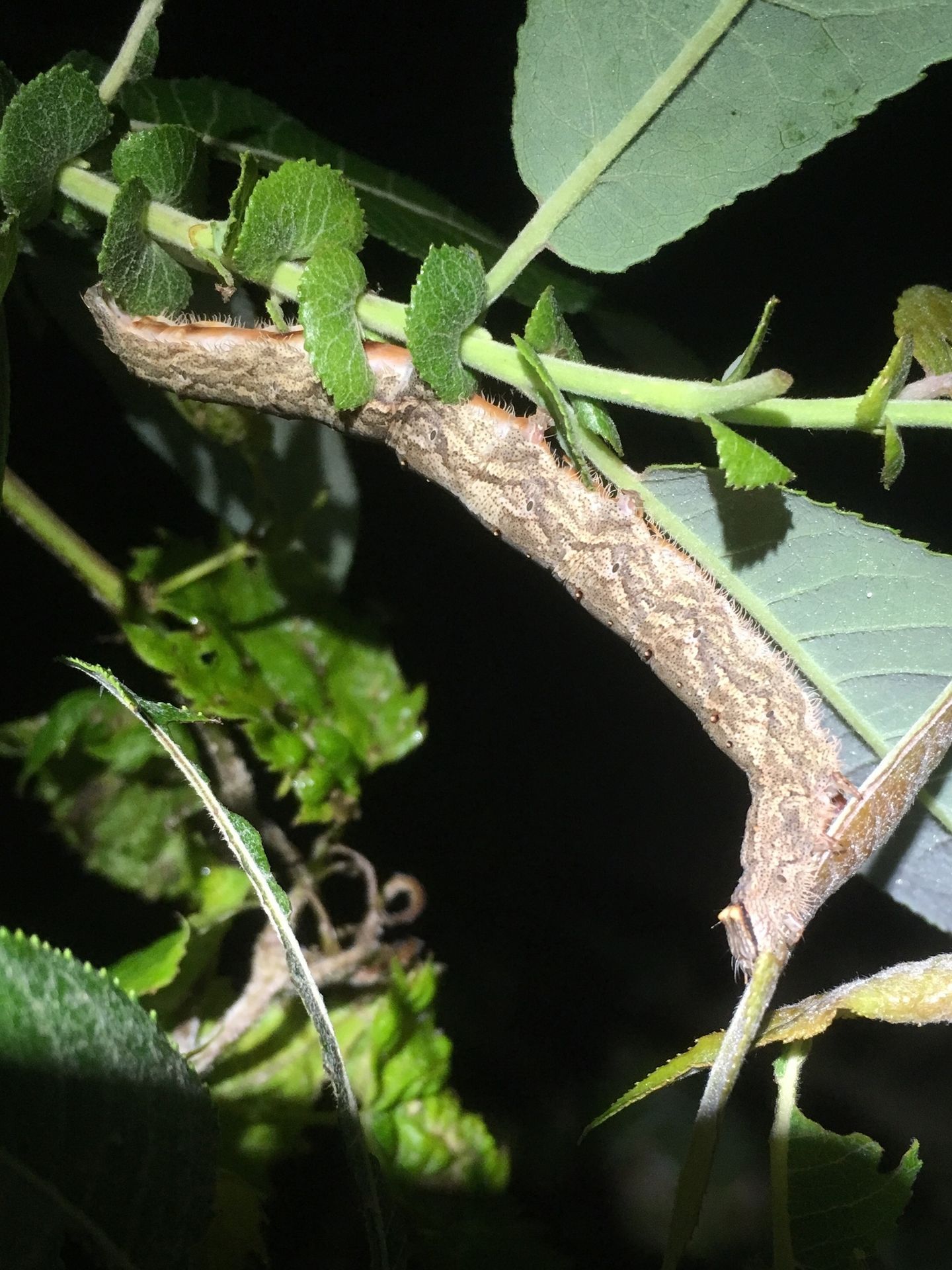
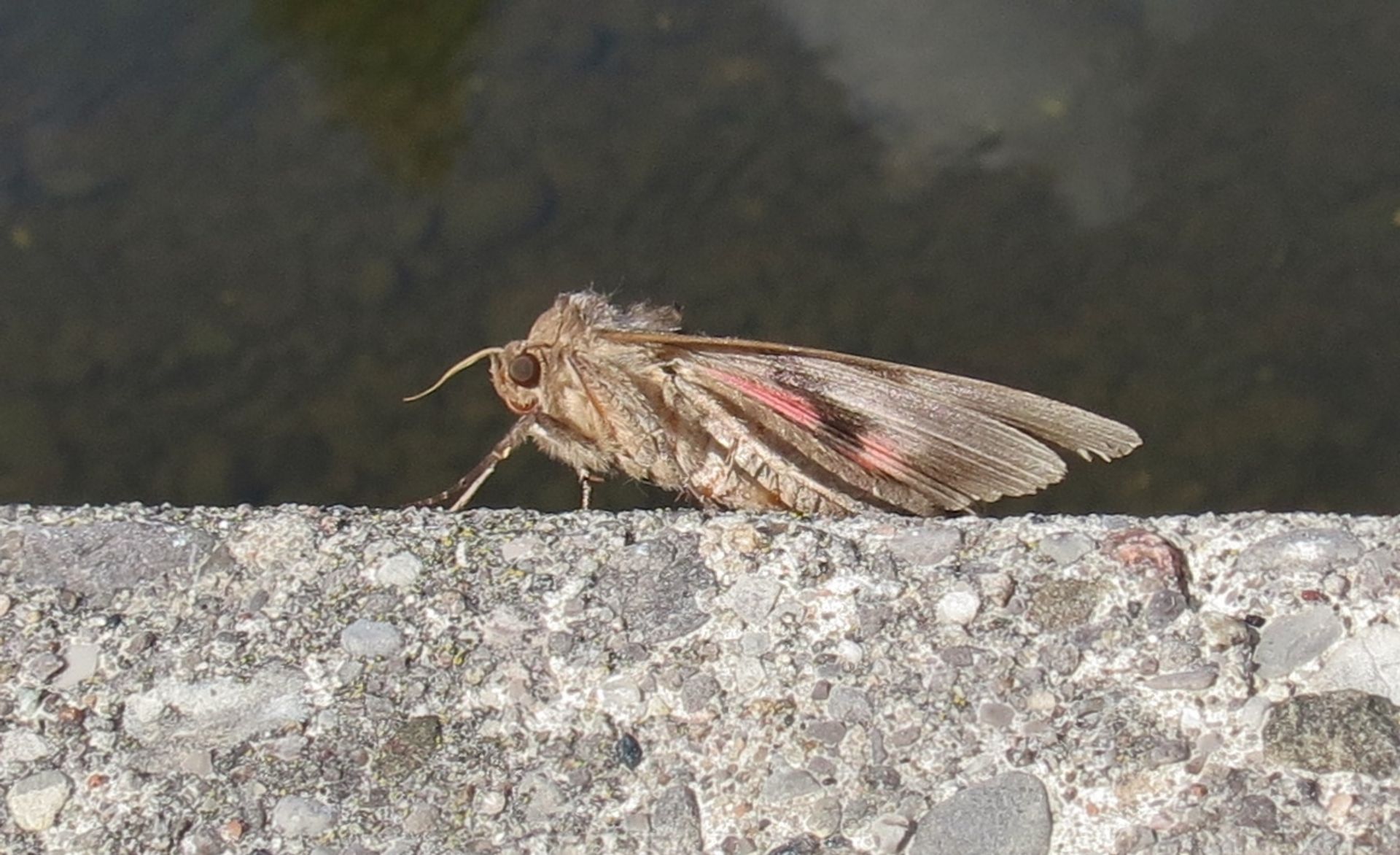
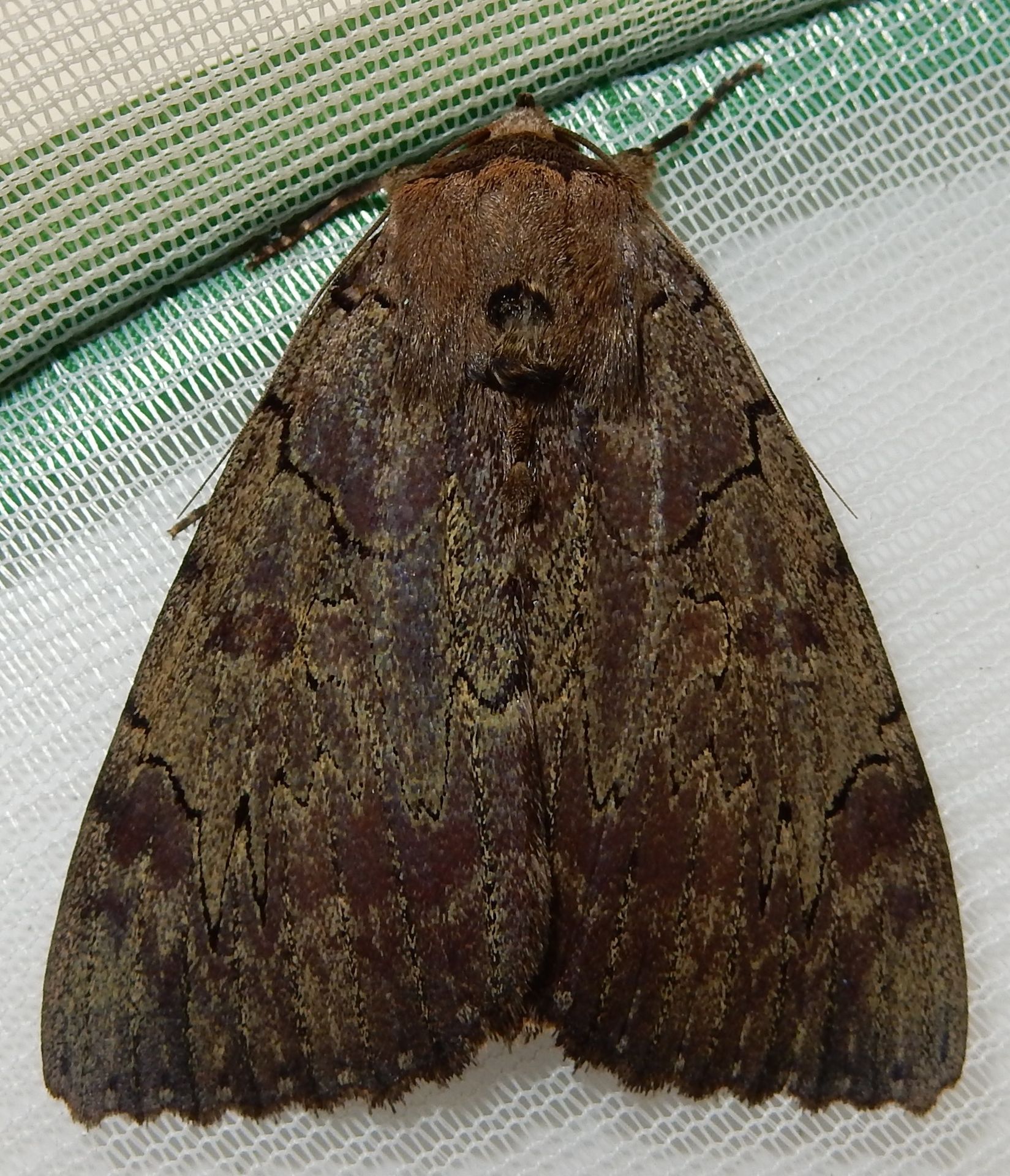
Catocala cara, the darling underwing, is a large underwing first described by Achille Guenée in 1852. It is distinguished by its dark forewings that conceal striking scarlet-pink hindwings with two concentric black bands. The occurs across eastern and central North America, with larvae feeding on poplar and willow species.
Pronunciation
How to pronounce Catocala cara: /ˈkætəˌkeɪlə ˈkɑrə/
These audio files are automatically generated. While they are not always 100% accurate, they are a good starting point.
Identification
Distinguished from other Catocala by the combination of dark purplish-brown forewings and scarlet-pink hindwings with two distinct concentric black bands. The heavily hairy hindwing base, appearing as a dark central spot, is a key feature. Similar species include other underwings in the Catocala, which differ in hindwing color pattern and banding configuration.
Images
Habitat
Associated with riparian and woodland where plants occur. Found in areas supporting Populus and Salix , including cottonwood groves and willow-lined wetlands.
Distribution
United States east of the Rocky Mountains, extending west at least to Oklahoma and north at least to Illinois. Barely ranges into southern Canada.
Seasonality
fly from June to October, with timing varying by location.
Diet
Larvae feed on Populus (poplar and cottonwood) and Salix (willow) , particularly black willow (Salix nigra). diet not documented.
Host Associations
- Populus - larval poplar and cottonwood
- Salix - larval willow , especially Salix nigra (black willow)
Life Cycle
Complete with , larval, pupal, and stages. Larvae are foliage feeders on trees. Adult period spans summer through early autumn.
Behavior
are . Like other underwing moths, they typically rest with forewings folded together over the back, concealing the brightly colored hindwings. When disturbed, they may flash hindwings as a startle defense.
Ecological Role
Larvae function as herbivores on woody riparian vegetation. may serve as prey for including bats and birds.
Human Relevance
Subject of interest among lepidopterists and citizen scientists, particularly during National Week events. Not known to be an agricultural pest.
Similar Taxa
- Catocala carissimaFormerly treated as a of C. cara, now recognized as a valid occurring to the south of C. cara. Separated based on geographic distribution and morphological differences.
- Catocala silviaFormerly considered a distinct but now recognized as merely a form of C. carissima with no formal taxonomic standing.
More Details
Taxonomic History
The has been classified variously within Noctuidae or Erebidae depending on circumscription. It belongs to tribe Catocalini and, under broad Noctuidae concepts, subtribe Catocalina.
Etymology
The name Catocala is Greek for 'beautiful below', referring to the striking hindwings concealed at rest. The specific epithet cara is Latin for 'dear' or 'beloved'.
Sources and further reading
- BugGuide
- Wikipedia
- GBIF taxonomy match
- iNaturalist taxon
- NCBI Taxonomy
- Catalogue of Life
- A Gathering of Lepidopterists: Who's Who of the Butterfly, Moth Experts | Bug Squad
- Bug Eric: National Moth Week Recap for Colorado Springs
- Bug Eric: New Mexico Night Bugs
- Got Moths? Celebrate National Moth Week and Global Citizen Science
- Bug Eric: National Moth Week Recap, 2015
- Bug Eric: National Moth Week 2024 Recap from Kansas City