
Calyptis
Guenée, 1852
Species Guides
1Calyptis is a of in the Erebidae, Erebinae. The genus was established by Guenée in 1852 and contains three recognized distributed across tropical regions. Members are and belong to the diverse of underwing and related moths within the superfamily Noctuoidea.
Pronunciation
How to pronounce Calyptis: //kəˈlɪptɪs//
These audio files are automatically generated. While they are not always 100% accurate, they are a good starting point.
Identification
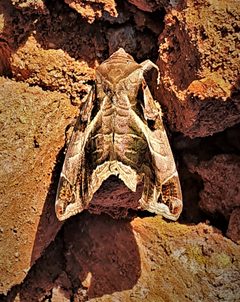
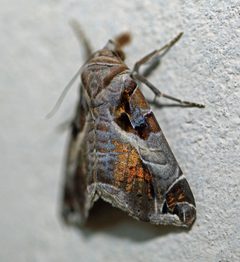
Distinguished from related erebid by wing pattern characteristics and male genitalia . Specific diagnostic features for the genus have been documented in taxonomic revisions of the Erebinae. -level identification requires examination of genitalia and forewing pattern elements.
Images
Distribution
Tropical regions; records indicate presence in the Neotropics and Oriental realms. Specific countries documented include Suriname (C. idonea), Brazil (C. iter), and Southeast Asia including Borneo (C. semicuprea).
Similar Taxa
- CatocalaBoth belong to Erebinae and share habits and cryptic forewing patterns, but Catocala typically display brightly colored hindwings when disturbed, a trait not characteristic of Calyptis.
- ErebusRelated erebine with similar robust body form, but Erebus generally exhibit more pronounced eyespot patterns on wings and different male genitalia structure.
More Details
Species composition
The comprises three : Calyptis idonea (Stoll, 1780), the type species; C. iter (Guenée, 1852); and C. semicuprea (Walker, 1857). The genus has not undergone recent comprehensive revision.
Taxonomic history
Originally described by Guenée in 1852, Calyptis has maintained stable generic status within Erebinae, though -level and phylogenetic relationships remain incompletely resolved.