Gonodonta incurva
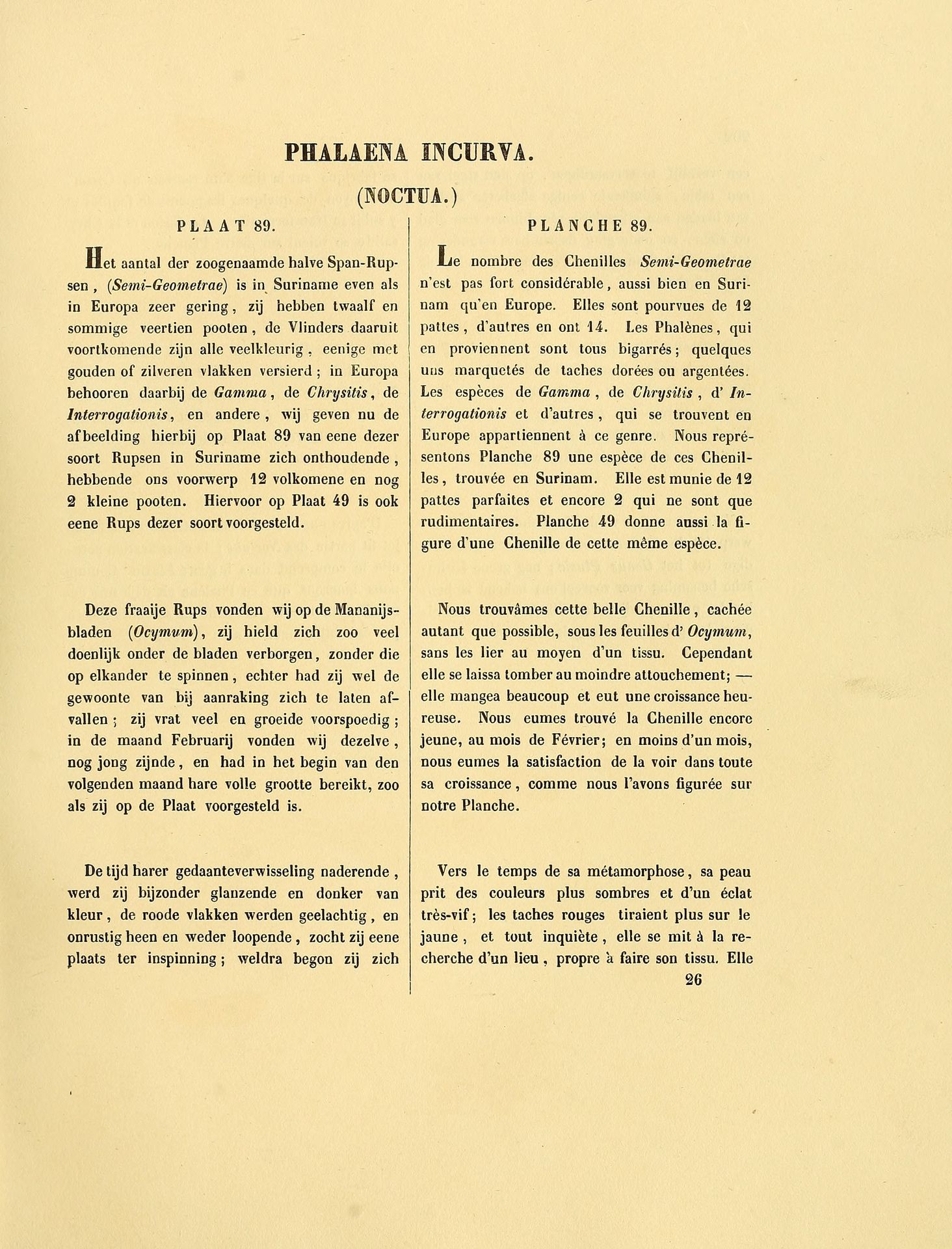
(Sepp, 1840)
fruit-piercing moth
Gonodonta incurva is a of fruit-piercing moth in the Erebidae. The species was first described by Sepp in 1840 under the basionym Phalaena incurva. It is found in North America, where are known to pierce fruit skins to feed on juices. The species is assigned MONA/Hodges number 8542.

Pronunciation
How to pronounce Gonodonta incurva: //ˌɡoʊ.nəˈdɒn.tə ɪnˈkɜːrvə//
These audio files are automatically generated. While they are not always 100% accurate, they are a good starting point.
Identification
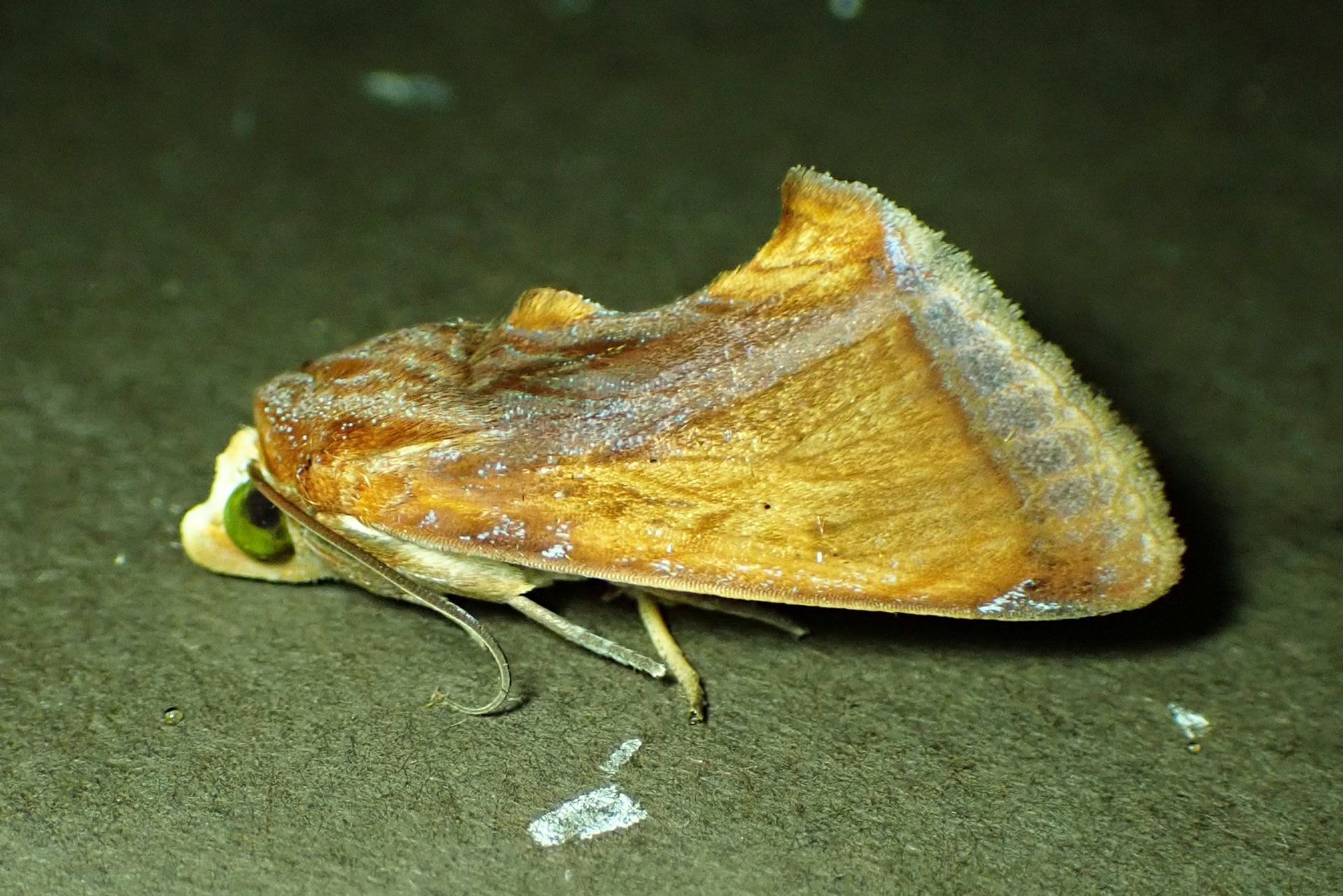
of Gonodonta incurva can be distinguished from other Gonodonta by the incurved (inward-curving) forewing apex that gives the species its name. The forewings are typically gray-brown with darker markings. The Gonodonta is characterized by a distinctive wing shape with an angled or hooked apex, and species within the genus are best separated by details of wing pattern and genitalia. The fruit-piercing moths in Calpinae are recognized by their robust adapted for piercing fruit skins.
Images
Distribution
North America. Specific range details within North America are not well documented in available sources.
Diet
feed on fruit juices by piercing the skin of ripening or ripe fruits. The specific fruits used by this have not been documented in available sources.
Behavior
exhibit fruit-piercing , using their modified to penetrate fruit skins and access juices. This feeding behavior can cause damage to commercially grown fruits.
Ecological Role
may act as minor pests of fruit crops due to their piercing feeding . Larval and role are unknown.
Human Relevance
The fruit-piercing feeding of can result in economic damage to fruit crops, as pierced fruits become susceptible to secondary and rot.
Similar Taxa
- Gonodonta nutrixAnother North American fruit-piercing moth in the same ; distinguished by differences in wing pattern and forewing apex shape
- Gonodonta sicheasNeotropical with similar fruit-piercing habits; G. incurva is distinguished by its North American distribution and incurved wing apex
More Details
Taxonomic History
Originally described as Phalaena incurva by Sepp in 1840, this was later transferred to the Gonodonta. The specific epithet 'incurva' refers to the inward-curving forewing apex.
Cataloguing
The is catalogued in the Photographers Group and other North American lepidopteran databases under MONA/Hodges number 8542.
Sources and further reading
- BugGuide
- Wikipedia
- GBIF taxonomy match
- iNaturalist taxon
- NCBI Taxonomy
- Catalogue of Life
- Lepidoptera | Beetles In The Bush | Page 7
- Uncategorized | Blog - Part 41
- Pensoft blog - Part 147
- Bibliography | Beetles In The Bush
- The giant cockroach genus Pseudophoraspis expands to the north with 3 new species | Blog