Gonodonta sicheas

(Cramer, 1777)

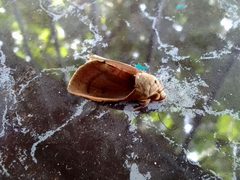
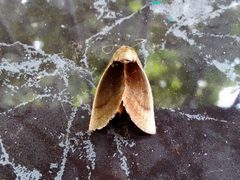
Gonodonta sicheas is a in the Erebidae, first described by Pieter Cramer in 1777. It has a wingspan of approximately 44 mm. The occurs across a broad Neotropical range extending from the southern United States through Central America and into South America, including the Caribbean Antilles.

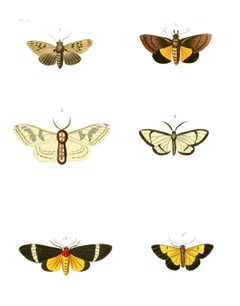
Polilla Gonodonta sicheas 10-07-2024d by Carlos A. Padrón P.. Used under a CC BY-SA 4.0 license.Illustrations of Exotic Entomology III 22 by Plates: Dru Drury (1725–1803). Text: John Obadiah Westwood (1805–1893). Used under a Public domain license.Polilla Gonodonta sicheas 10-07-2024c by Carlos A. Padrón P.. Used under a CC BY-SA 4.0 license.

Pronunciation

How to pronounce Gonodonta sicheas: //ˌɡoʊnoʊˈdɒntə ˈsɪkiəs//

These audio files are automatically generated. While they are not always 100% accurate, they are a good starting point.

Identification

Gonodonta sicheas can be distinguished from other Gonodonta by a combination of geographic occurrence and morphological characters specific to the . Accurate identification to species level within Gonodonta typically requires examination of genitalia and comparison with .

Images

Distribution

Mexico, Guatemala, Panama, Colombia, Venezuela, Ecuador, Paraguay, Peru, Brazil (Amazonas and Pará), the Antilles, and the southern United States (Florida and Texas).

Similar Taxa

  • Other Gonodonta speciesCongeneric share similar overall and require careful examination for accurate identification; G. sicheas is distinguished by specific wing pattern and genitalic characters.

More Details

Taxonomic history

Originally described as Phalaena sicheas by Pieter Cramer in 1777, later transferred to the Gonodonta. The has been classified in both Noctuidae and Erebidae in different taxonomic treatments, reflecting ongoing revisions in -level classification.

Sources and further reading