
Gonodonta nutrix
Cramer, 1780
Citrus fruitpiercer
Pronunciation
How to pronounce Gonodonta nutrix: //ɡoʊˈnoʊdɒntə ˈnjuːtrɪks//
These audio files are automatically generated. While they are not always 100% accurate, they are a good starting point.
Identification
The can be distinguished from similar Gonodonta species by its documented association with Annona plants and its geographic distribution. Accurate identification requires examination of genitalia or detailed wing pattern analysis, as visual separation from is challenging.
Images
Appearance
have a wingspan of 36–40 mm. The exhibits typical Calpinae with a compact body and patterned wings. Specific coloration and wing pattern details are not well documented in available sources.
Habitat
Found in tropical and subtropical regions where plants of the Annona occur. include coastal areas, forests, and agricultural settings where Annona are cultivated or grow wild.
Distribution
Recorded from Saint Lucia, Cuba, Jamaica, Florida (USA), and from Mexico to Paraguay. The is present in both Caribbean islands and mainland Central and South America.
Diet
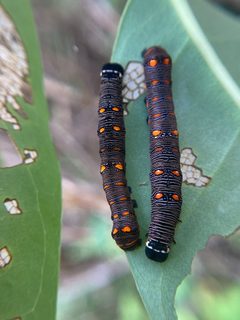
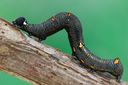
Larvae feed on Annona , specifically including Annona glabra. feeding habits are not documented.
Host Associations
- Annona glabra - larval food plantSpecific plant confirmed in literature
- Annona - larval food plant-level association
Life Cycle
Complete with , larval, pupal, and stages. Specific details on development duration, number of per year, and strategy are not documented.
Behavior
are . The "fruitpiercer" suggests adult feeding involving piercing fruit to access juices, though this specific behavior is not explicitly documented for this in available sources.
Ecological Role
Larvae function as herbivores on Annona . The species may act as a pest in agricultural settings where Annona crops are grown.
Human Relevance
The "citrus fruitpiercer" suggests potential economic impact on fruit crops, though the documented larval are Annona rather than Citrus. The species may be a minor pest in Annona .
Similar Taxa
- Other Gonodonta species share similar and Calpinae characteristics; identification requires detailed examination
Misconceptions
The "citrus fruitpiercer" is potentially misleading, as the documented larval are Annona (custard apples, pond apples), not Citrus. The name may reflect feeding or historical misidentification of hosts.
More Details
Taxonomic Note
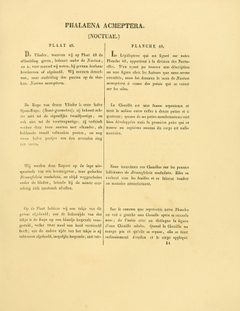
Authority sometimes cited as (Stoll, 1780) with basionym Phalaena nutrix. The is classified in Calpinae within Erebidae. Some older sources place the in Noctuidae.
Nomenclatural History
Originally described as Phalaena nutrix by Stoll in 1780, later transferred to Gonodonta. Cramer is sometimes cited as the author in contemporary sources.