Stigmella rhoifoliella
(Braun, 1912) Newton et al., 1982
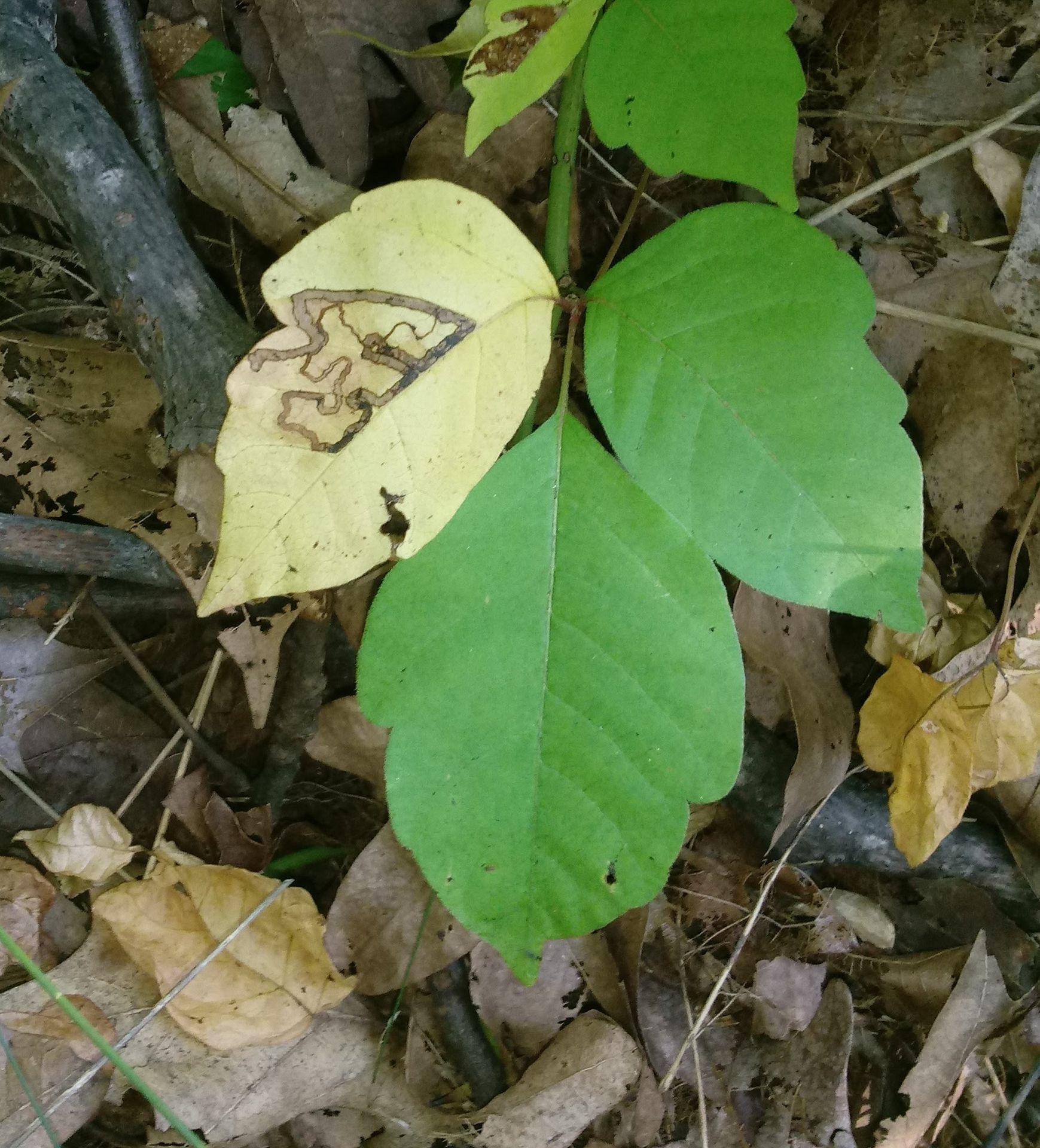
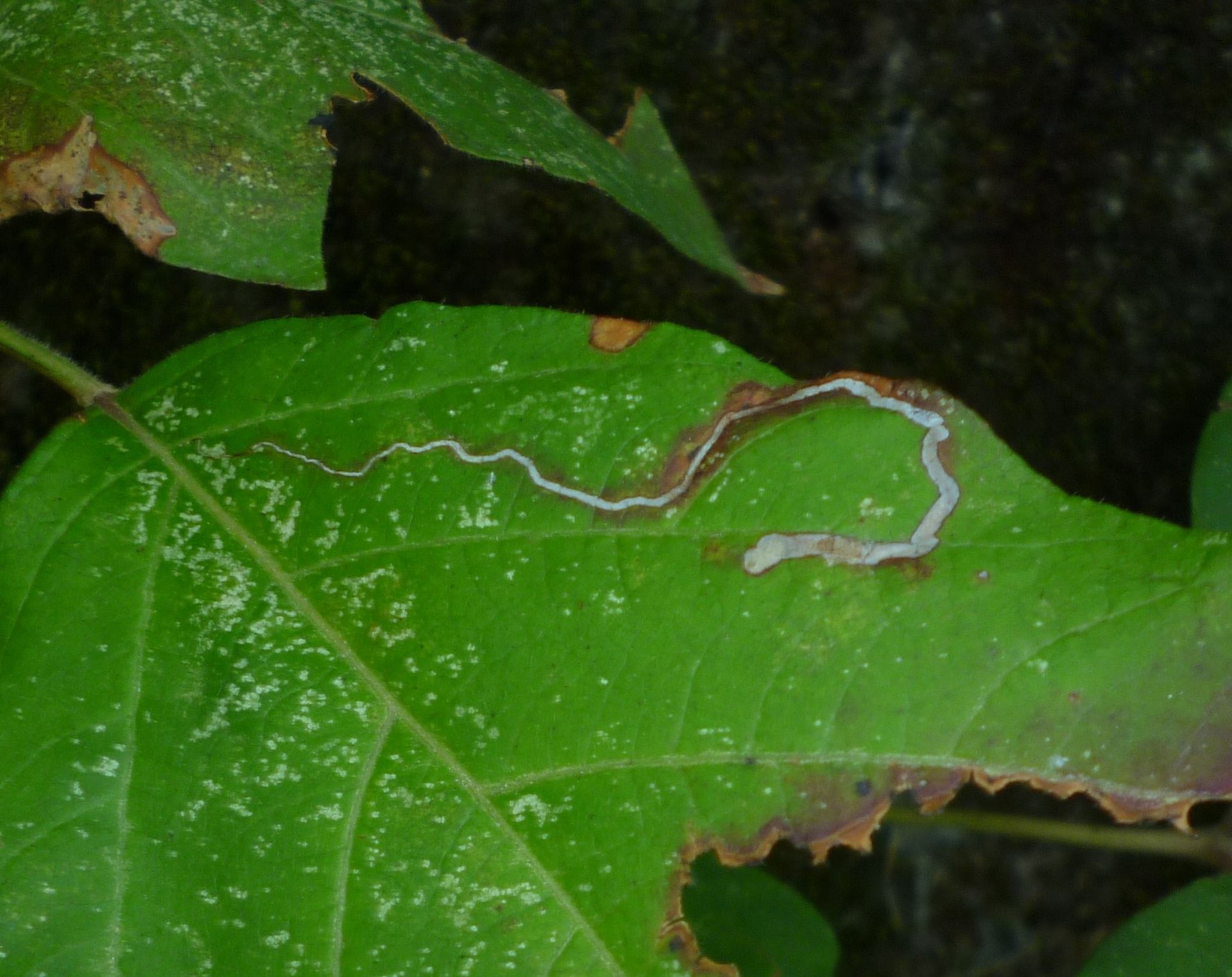
Stigmella rhoifoliella is a minute leaf-mining in the Nepticulidae, native to the eastern United States. The is notable for its extremely small size and specialized larval feeding on poison ivy (Toxicodendron radicans). It produces distinctive serpentine leaf mines on its plant. The moth has a multivoltine with two to three annually, with periods concentrated in June and August.
Pronunciation
How to pronounce Stigmella rhoifoliella: //stɪɡˈmɛlə roɪˌfəʊliˈɛlə//
These audio files are automatically generated. While they are not always 100% accurate, they are a good starting point.
Identification
Distinguished from other Stigmella by association with Rhus toxicodendron (poison ivy) as plant and geographic restriction to Ohio and Kentucky. Leaf mine pattern and larval timing (late instars in June, late July, and September) may assist identification. specimens require microscopic examination of genitalia for definitive species-level determination.
Images
Habitat
Associated with poison ivy (Toxicodendron radicans) in terrestrial environments. Specific conditions beyond plant presence are not documented.
Distribution
to the eastern United States; recorded from Ohio and Kentucky. Vermont is listed in some databases but primary sources confirm Ohio and Kentucky.
Seasonality
Multivoltine with two to three per year. Late instar larvae present in June, late July, and September. on wing in June and particularly August.
Diet
Larvae feed on Rhus toxicodendron (poison ivy), mining the leaves. Specific feeding mechanism involves creating serpentine mines within leaf tissue.
Host Associations
- Rhus toxicodendron - obligate larval Poison ivy; larvae mine leaves
Life Cycle
Complete with , larva, pupa, and stages. Larval development occurs within leaf mines. Late instar larvae observed in June, late July, and September, suggesting overlapping . likely occurs within the leaf mine or in soil, though not explicitly documented.
Behavior
Larvae are leaf miners, feeding internally within poison ivy leaves and creating visible serpentine tunnels. beyond activity is not documented.
Ecological Role
As a herbivore, the contributes to leaf damage on poison ivy, potentially affecting plant . Its role in broader is unknown.
Human Relevance
Poison ivy is a common human irritant; this 's specialized feeding on the plant may have minor implications for , though no applied use has been documented.
Similar Taxa
- Stigmella multispicataAnother small Stigmella , but feeds on Siberian elm (Ulmus pumila) rather than poison ivy and occurs in different geographic range.
- Stigmella castaneaefoliellaSimilar size and leaf-mining habit, but specialized on Castanea (chestnut) rather than poison ivy.