Ectoedemia ulmella
(Braun, 1912) Wilkinson et al., 1979
Ectoedemia ulmella is a minute in the Nepticulidae, known for its leaf-mining larvae. The occurs in the eastern United States and is associated with elm trees. It produces two annually, with larval activity peaking in mid-summer and early autumn.
Pronunciation
How to pronounce Ectoedemia ulmella: /ˌɛktoʊəˈdɛmiə ʌlˈmɛlə/
These audio files are automatically generated. While they are not always 100% accurate, they are a good starting point.
Identification
The is distinguished from other North American Ectoedemia by its specific association with Ulmus fulva and Ulmus thomasii as larval . are unlikely to be separable from without dissection or molecular analysis. The larval mines on elm leaves may be diagnostic when host identity is confirmed.
Images
Appearance
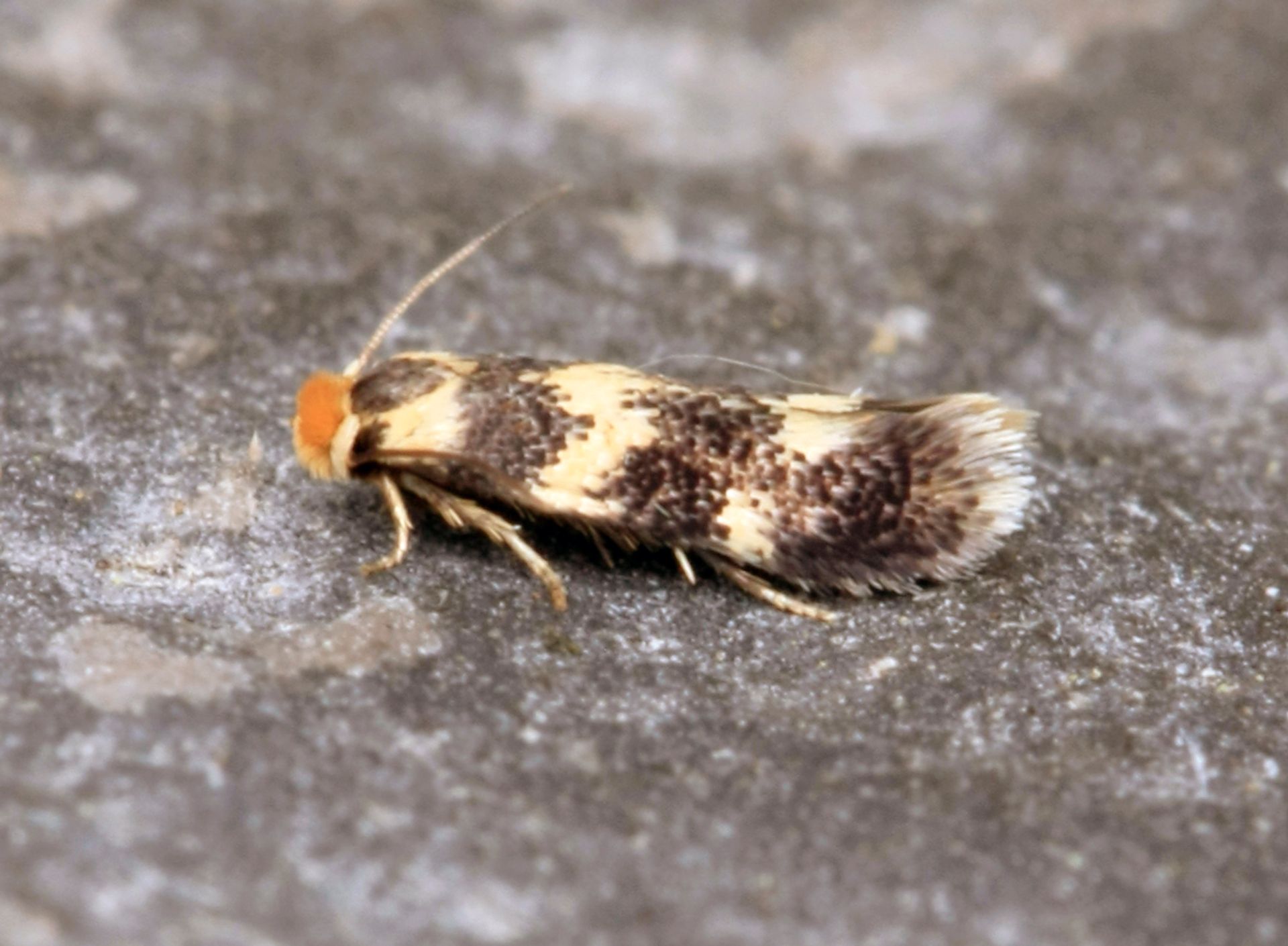
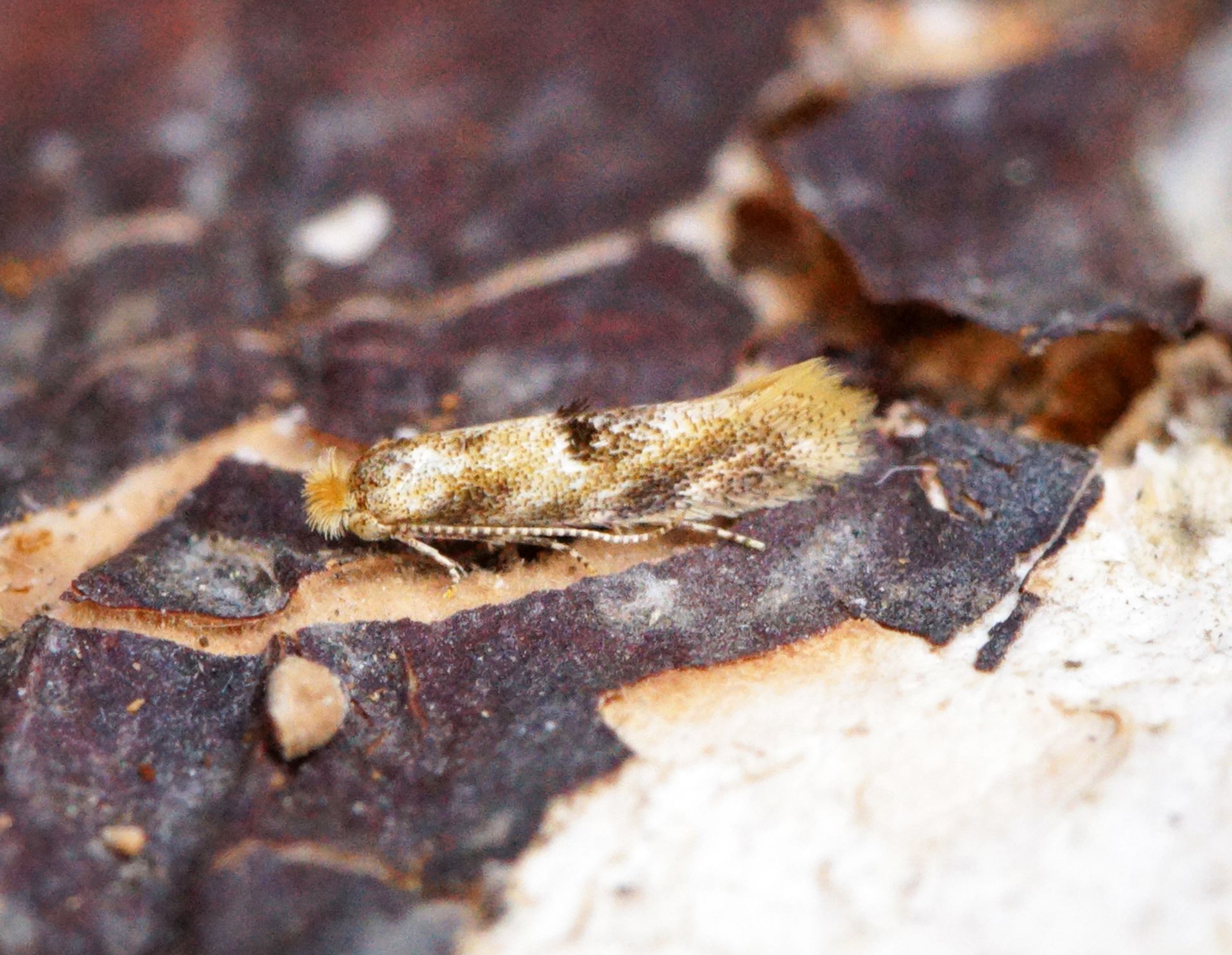
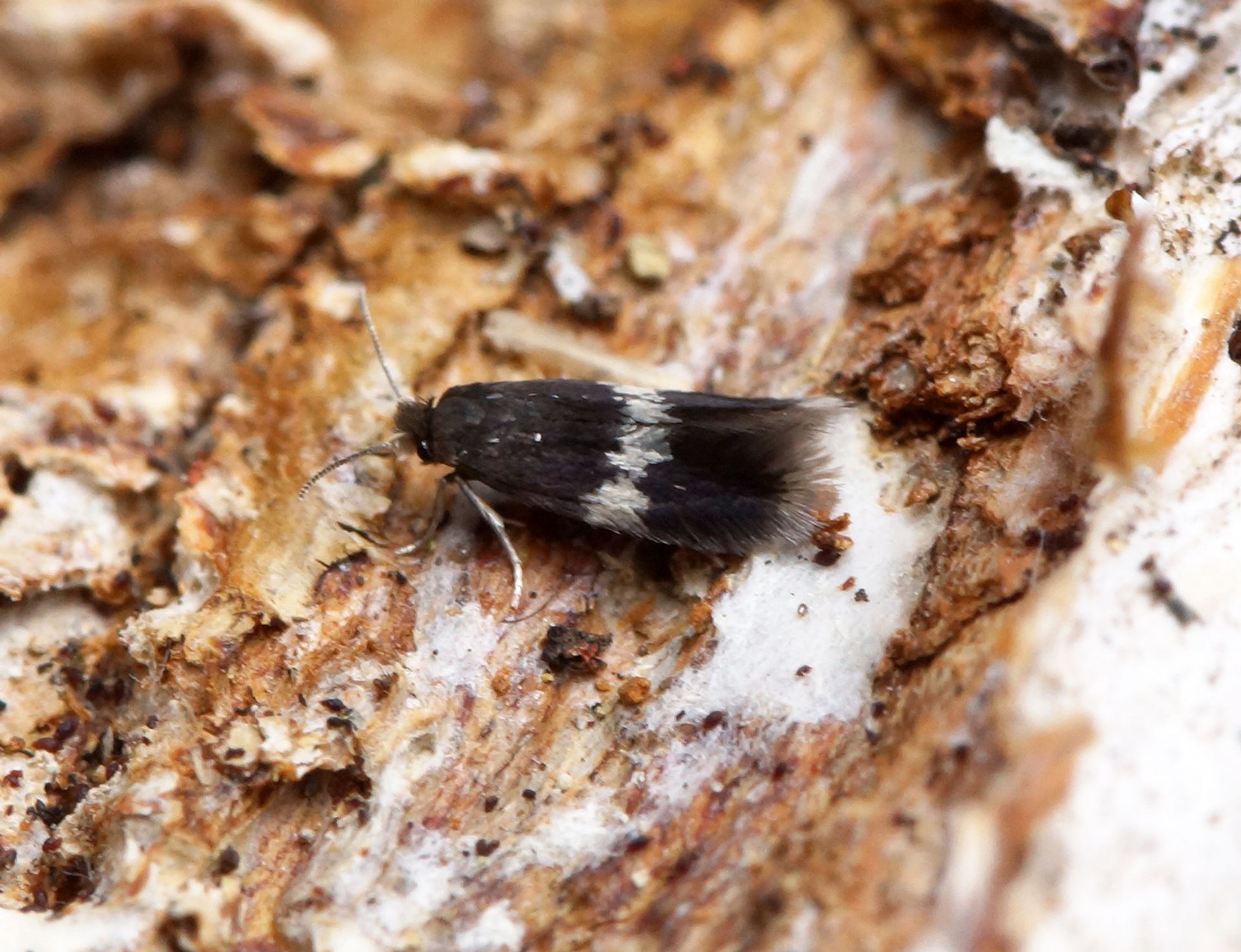
are extremely small with a wingspan of 4–5 mm. As with other nepticulids, they likely display reduced wing venation and metallic scaling typical of the , though specific coloration details for this are not documented.
Habitat
Associated with deciduous forests and urban plantings where elm (Ulmus fulva and Ulmus thomasii) occur. Specific microhabitat preferences for are unknown.
Distribution
Eastern United States: recorded from Kentucky, Pennsylvania, and Vermont.
Seasonality
with two per year. Mature larvae present in July and September, indicating periods likely precede these dates by several weeks.
Diet
Larvae feed on leaves of Ulmus fulva (slippery elm) and Ulmus thomasii (rock elm), creating internal leaf mines. feeding habits are unknown.
Host Associations
- Ulmus fulva - larval leaf mining
- Ulmus thomasii - larval leaf mining
Life Cycle
Two annually. Larvae mine leaves of elms, with mature larvae recorded in July and September. likely occurs within the leaf mine or in soil; specific details of pupal stage and strategy are unknown.
Behavior
Larvae are endophagous leaf miners, feeding between leaf epidermal layers. is poorly documented.
Ecological Role
As a , larvae create localized damage to foliage. impacts on host trees are likely minimal given the minute size of larvae and scattered distribution.
Human Relevance
No documented economic or aesthetic significance. The is of interest to lepidopterists and those studying native elm associates.
Similar Taxa
- Other Ectoedemia speciesNumerous occur in North America, many with similar size and appearance; reliable separation requires association records or genitalia examination.
- Stigmella speciesAnother nepticulid with leaf-mining larvae on elms; mines and are superficially similar, though Stigmella typically shows different patterns within mines.
More Details
Taxonomic history
Originally described as Nepticula ulmella by Braun in 1912, later transferred to Ectoedemia by Wilkinson et al. in 1979.