
Ectoedemia argyropeza
(Zeller, 1839) Bradley et al., 1972
Virgin Pigmy
A Holarctic microlepidopteran in the Nepticulidae, characterized by parthenogenetic with extremely rare males. are active in late spring. Larvae are leaf miners on aspen , producing distinctive mines that persist on leaves. The species exhibits clonal structure with limited capacity.
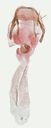
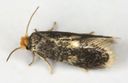
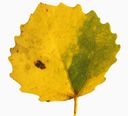
Pronunciation
How to pronounce Ectoedemia argyropeza: /ˌɛktoʊɪˈdiːmiə ˌɑːrɡɪroʊˈpiːzə/
These audio files are automatically generated. While they are not always 100% accurate, they are a good starting point.
Identification
Distinguished from other Ectoedemia by combination of: small size (7 mm wingspan), specific forewing pattern with two whitish spots (small costal, larger ), ochreous-yellow with whitish collar, and exclusive association with aspen (Populus tremula, P. tremuloides). Leaf mines on aspen petioles with preliminary galling stage are diagnostic for larvae. Parthenogenetic with male rarity is a notable -level characteristic.
Images
Appearance
Small with wingspan of 7 mm. ochreous-yellow with whitish collar. Antennal eyecaps whitish. Forewings dark fuscous with small whitish costal spot before middle and larger whitish spot before tornus; outer half of cilia whitish. Hindwings grey.
Habitat
Areas supporting aspen (Populus tremula in Eurasia, P. tremuloides in North America). Specific microhabitat requirements not well documented beyond tree presence.
Distribution
Holarctic distribution. Europe: widespread including Belgium, Russia (St. Petersburg, Moscow, Kaluga, Tatarstan, Kaliningrad). North America: present with E. a. downesi. Asia: north-eastern China.
Seasonality
on wing from May to June. Larval activity presumably coincides with aspen leaf .
Diet
Larvae feed exclusively on aspen leaves (Populus tremula, P. tremuloides), mining leaf tissue. feeding habits not documented.
Host Associations
- Populus tremula - larval Eurasian aspen; leaves mined by larvae
- Populus tremuloides - larval Quaking aspen; North American , downesi
Life Cycle
Development includes , larval, pupal, and stages. Larvae induce preliminary galling ('cecidian') development stage in petiole before mining leaf blade. Specific timing of stages not documented. Parthenogenetic allows females to produce offspring without mating.
Behavior
Very sedentary with limited capacity. genetic structure shaped by bottlenecks, drift, and passive . Larval inferred from persistent activity traces: deposited on petiole, caterpillar corridors positioned in specific hierarchy within hypertrophied petiole section, mines distributed in preferential locations on leaf blade.
Ecological Role
contributing to herbivore on aspen. Specific impacts not quantified.
Human Relevance
No documented direct economic or cultural significance. Subject of ecological and genetic research due to unusual parthenogenetic and clonal structure.
Similar Taxa
- Other Ectoedemia speciesMany are small Nepticulidae with dark forewings; distinguished by specificity to aspen, specific spot pattern, and
- Other aspen-feeding NepticulidaeDistinguished by unique combination of petiole galling stage and specific mine
Sources and further reading
- BugGuide
- Wikipedia
- GBIF taxonomy match
- iNaturalist taxon
- NCBI Taxonomy
- Catalogue of Life
- Clonal diversity, population structure, and dispersal in the parthenogenetic moth Ectoedemia argyropeza
- Ectoedemia argyropeza (Zeller, 1839) sur Peuplier Tremble : traits de comportement inférés à partir de la distribution des traces d’activités subsistant sur les feuilles-hôtes (Lepidoptera, Nepticulidae)