
Cicinnus chambersi
St Laurent & Reeves, 2020
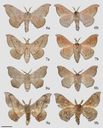
A sack-bearer described in 2020 from the Sky Islands Region of southeastern Arizona. It is the fifth Mimallonidae recorded from the United States and the first described from the country in nearly 50 years. The species is closely related to C. mexicana from Mexico based on shared morphological and genetic characteristics. It is distinct from the other U.S. species C. melsheimeri, which occurs in eastern North America.
Pronunciation
How to pronounce Cicinnus chambersi: /sɪˈsɪnəs ˈtʃeɪmbərsi/
These audio files are automatically generated. While they are not always 100% accurate, they are a good starting point.
Identification
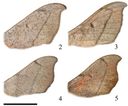
Closely resembles C. mexicana; distinguished from C. melsheimeri by and genetics. Specific diagnostic characters are not detailed in available sources.
Images
Habitat
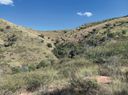
Mid-elevation oak forests in the Sky Islands Region of southern Arizona, at elevations of 1,155–1,828 m. Collection sites include Peña Blanca Lake, California Gulch, Canyon, and Box Canyon in mountain ranges surrounded by arid and semi-arid desert and grassland.
Distribution
Southeastern Arizona, USA: Santa Cruz County, Cochise County, and Pima County.
Seasonality
activity is influenced by the onset of the summer monsoon.
Life Cycle
Unknown.
Behavior
have been attracted to MV and UV light traps.
Human Relevance
The first Mimallonidae described from the United States in nearly half a century. Its description facilitates future studies on this rarely reported North American mimallonid.
Similar Taxa
- Cicinnus mexicanaClosely related based on and genetics; shares geographic proximity in Mexico.
- Cicinnus melsheimeriThe other Cicinnus known from the United States; morphologically and genetically distinct from C. chambersi.