
Gloveria sphingiformis
Barnes & McDunnough, 1910
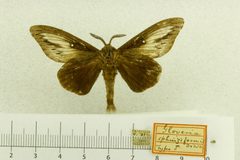
Gloveria sphingiformis is a of in the Lasiocampidae, described by Barnes and McDunnough in 1910. The specific epithet 'sphingiformis' refers to its resemblance to hawk moths (Sphingidae) in appearance. The Gloveria is a small North American group within the lappet moth family.
Pronunciation
How to pronounce Gloveria sphingiformis: //ɡloʊˈvɪriə ˌsfɪŋɡɪˈfɔrmɪs//
These audio files are automatically generated. While they are not always 100% accurate, they are a good starting point.
Identification
The name 'sphingiformis' indicates a hawk moth-like appearance, suggesting streamlined forewings and a robust body form atypical for Lasiocampidae. likely possess reduced mouthparts. Specific diagnostic features distinguishing this species from are not documented in available sources.
Images
Distribution
North America. Specific range details beyond continental occurrence are not documented.
Similar Taxa
- Sphingidae (hawk moths)Convergent appearance in body shape and wing form; distinguished by shape (clubbed or hooked in Sphingidae versus bipectinate in Lasiocampidae) and resting posture.
- Other Gloveria species share characteristics; specific distinctions require examination of genitalia or wing pattern details not summarized in available literature.
More Details
Etymology
The specific epithet 'sphingiformis' derives from Latin, meaning 'shaped like Sphingidae,' referring to the ' superficial resemblance to hawk moths.
Taxonomic history
Described by William Barnes and James Halliday McDunnough in 1910, two prominent North American lepidopterists who described numerous during the early 20th century.