
Marmarinae
Kawahara & Ohshima, 2016
Genus Guides
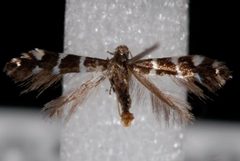
1Marmarinae is a of minute within the Gracillariidae, erected by Kawahara and Ohshima in 2016 based on molecular phylogenetic analyses. It contains two : Marmara (the type genus) and Dendrorycter. These moths are leaf miners, with larvae that tunnel within plant tissues.
Pronunciation
How to pronounce Marmarinae: //mɑr.marɪˈniː//
These audio files are automatically generated. While they are not always 100% accurate, they are a good starting point.
Identification
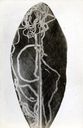
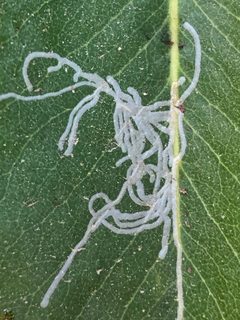
Marmarinae can be distinguished from other Gracillariidae by molecular characters and larval . The Marmara is characterized by larvae that form serpentine mines in stems and fruits, while Dendrorycter mine leaves. are small, with wingspans generally under 10 mm, and exhibit reduced wing venation compared to some related subfamilies.
Images
Distribution
of Marmarinae occur in North America, Europe, and Asia. The Marmara has a primarily Nearctic distribution with some Palearctic representation, while Dendrorycter is known from the Palearctic region (Japan and surrounding areas).
Diet
Larvae are internal feeders on plant tissues. Marmara have been observed mining in stems, fruits, and seeds of various plants including Asteraceae, Fabaceae, and Rosaceae. Dendrorycter species mine leaves of woody plants.
Host Associations
- Asteraceae - larval stem and fruit mining
- Fabaceae - larval stem and fruit mining
- Rosaceae - larval stem and fruit mining
Behavior
Larvae are endophagous leaf miners, feeding internally within plant tissues. In Marmara, mining often involves long, serpentine tunnels in stems or fruits rather than true leaves. occurs within the mine.
Ecological Role
As leaf miners, larvae create galleries in plant tissues that may affect plant growth and provide entry points for . They serve as prey for and other natural enemies.
Human Relevance
Some Marmara are minor agricultural pests. Marmara pomonella is known as the apple fruit miner, damaging apple fruits in North America.
Similar Taxa
- GracillariinaeAlso a of Gracillariidae with leaf-mining larvae; distinguished by larval preferences and mine —Gracillariinae typically form blotch mines on leaves rather than stem or fruit mines
- PhyllocnistinaeAnother Gracillariidae with serpentine leaf miners; distinguished by extremely flattened larvae and epidermal mines that are more superficial than the deeper tissue mining of Marmarinae
More Details
Taxonomic history
Marmarinae was established relatively recently (2016) based on molecular phylogenetic studies that revealed the Marmara was not closely related to other Gracillariidae where it had been previously placed. The subfamily was expanded to include Dendrorycter based on shared molecular characters.
Molecular diagnosis
The is primarily defined by molecular synapomorphies rather than clear morphological characters, reflecting the challenges of classifying these minute, morphologically reduced .