
Marmara
Clemens, 1863
Species Guides
13- Marmara apocynella
- Marmara arbutiella(Madrone Skin Miner)
- Marmara elotella(Apple Barkminer)
- Marmara fasciella(White Pine Barkminer Moth)
- Marmara fraxinicola
- Marmara gulosa(Citrus Peelminer)
- Marmara on-arctostaphylos
- Marmara on-symplocos-tinctoria
- Marmara opuntiella(Opuntia Leaf Miner)
Marmara is a of micro- in the Gracillariidae, Phyllocnistinae. These moths are characterized by their minute size and distinctive wing patterns. The genus was established by James Brackenridge Clemens in 1863. in this genus are known for their extremely small size, with some individuals having wingspans as small as 4 mm.
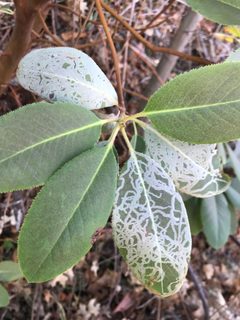
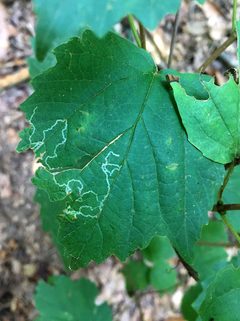
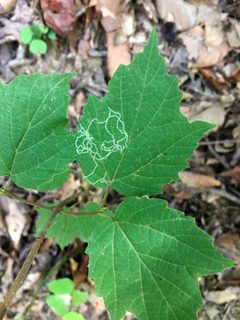
Pronunciation
How to pronounce Marmara: //mɑrˈmɑːrə//
These audio files are automatically generated. While they are not always 100% accurate, they are a good starting point.
Identification
Identification to level requires examination of genitalia and wing venation patterns. The extremely small size distinguishes Marmara from most other . Within Gracillariidae, Marmara is distinguished by features of the male genitalia and larval mining patterns. Reference to specialized micro- keys and the Moth Photographers Group database is recommended for species-level identification.
Images
Appearance
Extremely small with minute wingspans, often under 10 mm. Wings frequently display metallic or silvery markings. The includes with distinctive banded and wing patterns that may appear as if 'liquid mercury' has been applied. Specific morphological features vary by species.
Distribution
of Marmara have been documented in North America, including Texas and California. The precise global distribution of the is incompletely documented due to the difficulty in collecting and identifying these minute .
Human Relevance
Specimens of Marmara are represented in natural history collections, including the Bohart Museum of Entomology which holds significant micro- collections. These collections are important for documenting biodiversity and discovering new .
Similar Taxa
- PhyllocnistisAlso in Phyllocnistinae; distinguished by different larval mining patterns and genitalia structure
- Other Gracillariidae generaDistinguished by minute size and specific wing pattern characteristics of Marmara
More Details
Taxonomic note
The name 'Marmara' has been used for other , including a of sea anemones (Cnidaria: Sagartiidae) described by Ocaña & Çinar in 2018. The genus Marmara Clemens, 1863 has priority. These are unrelated taxa sharing only a homonymous name.
Collection challenges
Due to their extremely small size, specimens of Marmara require specialized spreading techniques using micro boards. Specimens are frequently collected as part of bulk micro- sampling and later sorted and identified in museum collections.
Sources and further reading
- BugGuide
- Wikipedia
- GBIF taxonomy match
- iNaturalist taxon
- NCBI Taxonomy
- Catalogue of Life
- A Tiny and Beautiful Moth from Texas | Bug Squad
- Uncategorized | Blog - Part 41
- Uncategorized | Blog - Part 18
- New fish species described from the streams of Manyas Lake basin, Turkey | Blog
- A new trout species described from the Alakır Stream in Antalya, Turkey | Blog