Phyllonorycter celtisella
(Chambers, 1871)
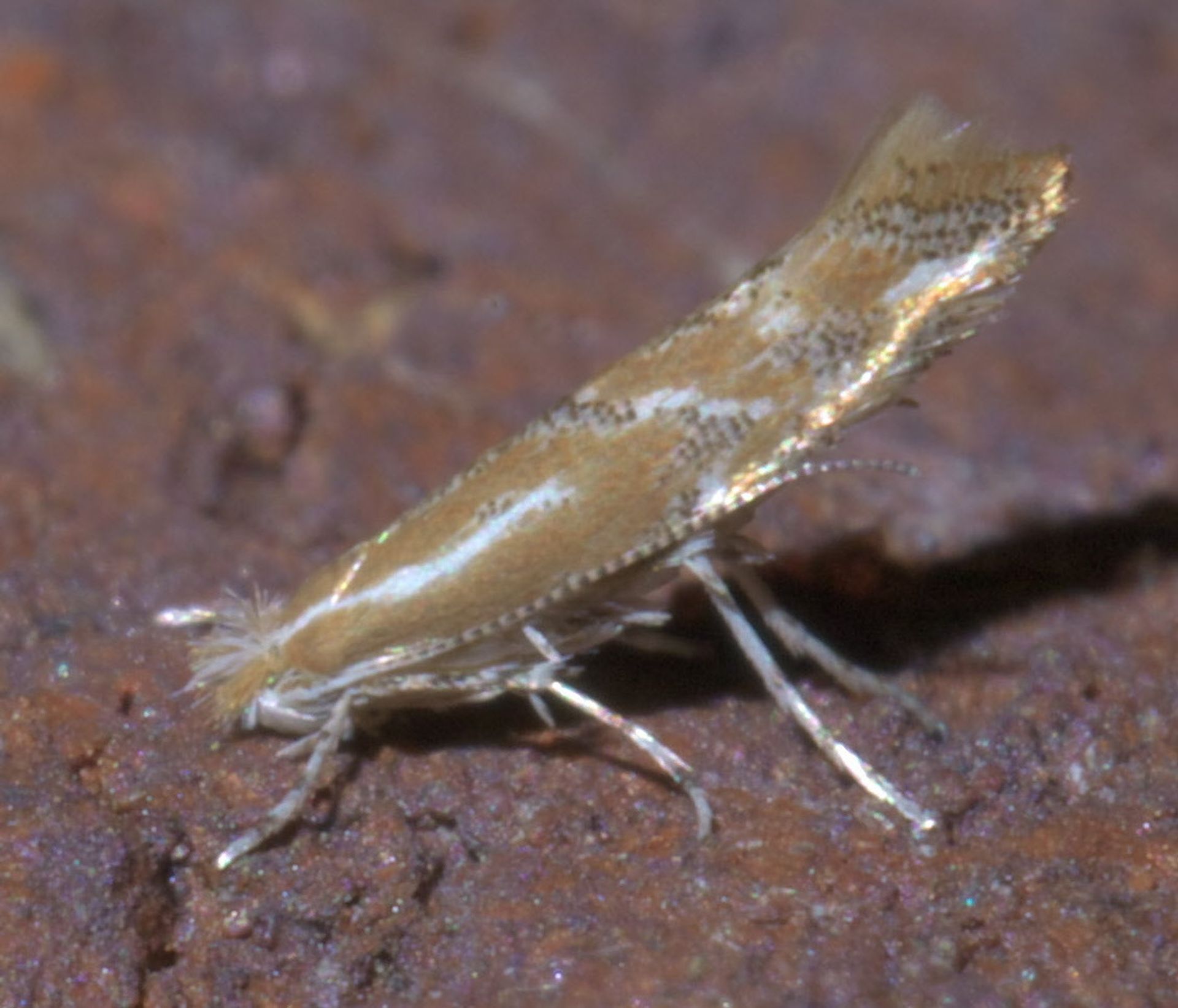
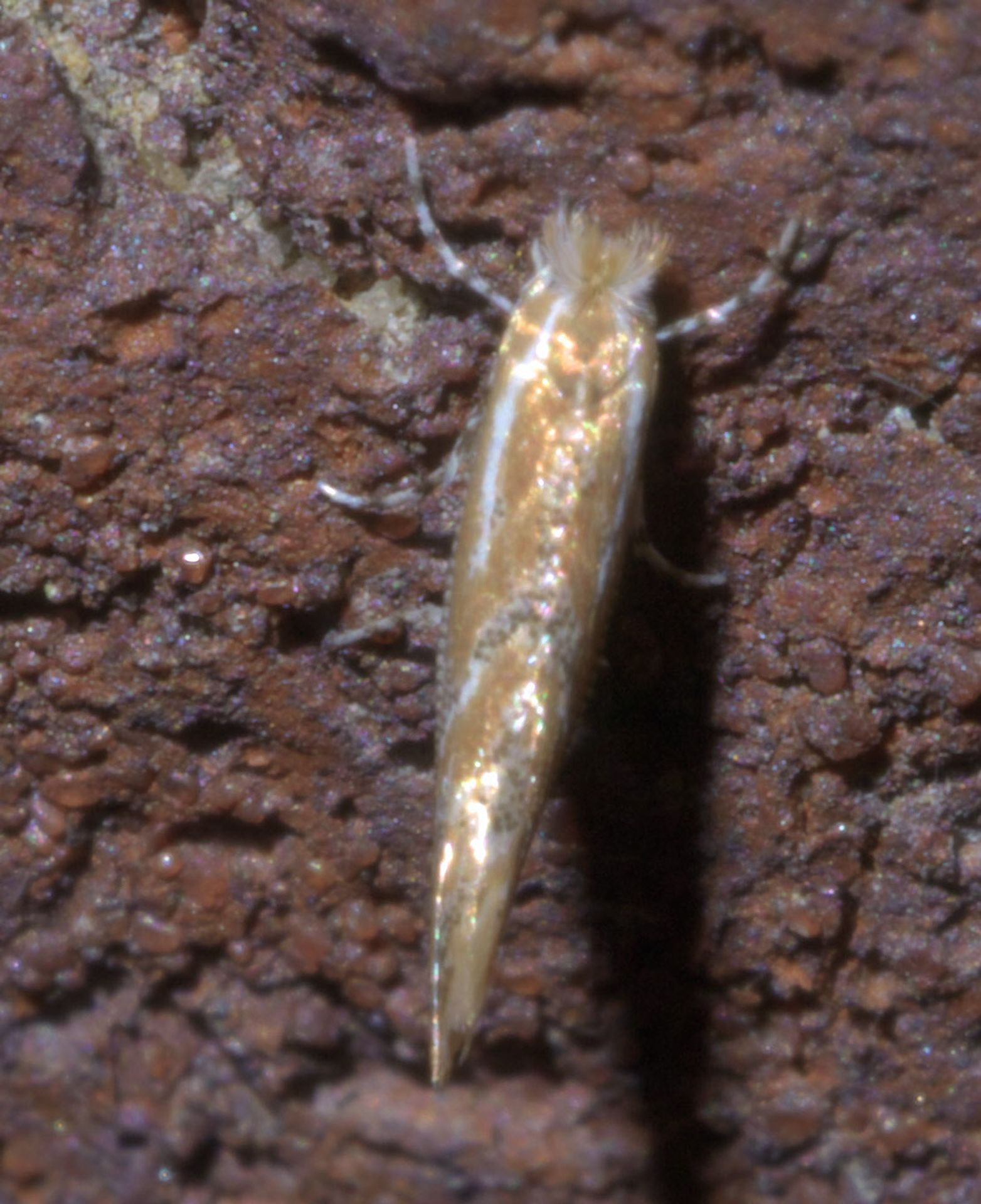
Phyllonorycter celtisella is a leaf-mining in the Gracillariidae. The larvae create distinctive blotch mines on the upper surface of hackberry (Celtis) leaves. The occurs in eastern and central North America, where it is closely associated with its plants.
Pronunciation
How to pronounce Phyllonorycter celtisella: /fɪlobəˈnətriˌɒn/
These audio files are automatically generated. While they are not always 100% accurate, they are a good starting point.
Identification
Larvae are identifiable by their distinctive leaf mines: an initial narrow linear mine on the lower leaf surface that transitions to an elongate blotch mine on the upper surface, with longitudinal epidermal ridges creating a tent-like structure. The mine consumes all leaf parenchyma, leaving only dark, discolored . are small micro- typical of the Phyllonorycter, requiring dissection or genitalia examination for definitive identification.
Images
Habitat
Associated with hackberry (Celtis) trees, particularly Celtis occidentalis. Occurs in deciduous woodlands, riparian corridors, and urban or suburban areas where trees are present.
Distribution
Eastern and central North America. Recorded from Ontario, Canada; and Connecticut, Illinois, Iowa, Kentucky, Ohio, Oklahoma, and Texas in the United States.
Diet
Larvae feed on Celtis , specifically Celtis occidentalis. They mine leaves, consuming parenchyma tissue between the epidermal layers.
Host Associations
- Celtis occidentalis - larval plantPrimary ; larvae mine leaves
Life Cycle
Larvae develop through cylindrical-type instars. Early instars enter leaves on the lower surface and create a narrow linear mine, then cut through parenchyma to the upper surface where the mine expands into an elongate blotch. occurs within the mine.
Behavior
are attracted to light. Larvae are leaf miners with a characteristic mining pattern that includes both lower-surface linear and upper-surface blotch components.
Ecological Role
As a , larvae modify leaf tissue and may affect photosynthetic capacity of trees. The serves as a host for , though specific parasitoid relationships have not been documented.
Human Relevance
Not a significant economic pest. Presence indicates hackberry trees in the vicinity. Leaf mines may be noticed by observers but do not typically cause serious damage to healthy trees.
Similar Taxa
- Other Phyllonorycter speciesMany Phyllonorycter create similar blotch mines; identification to species requires examination of mine characteristics on specific and genitalia
- Cameraria speciesAlso leaf-mining in Gracillariidae that create blotch mines, but typically with different mine architecture and associations
More Details
Original Description
First described by Chambers in 1871 as Lithocolletis celtisella.
Mine Characteristics
The tent-like structure formed by longitudinal epidermal ridges is a distinctive feature of this ' mines.