Cameraria conglomeratella
(Zeller, 1875)
Conglomerate Oak Leafminer Moth
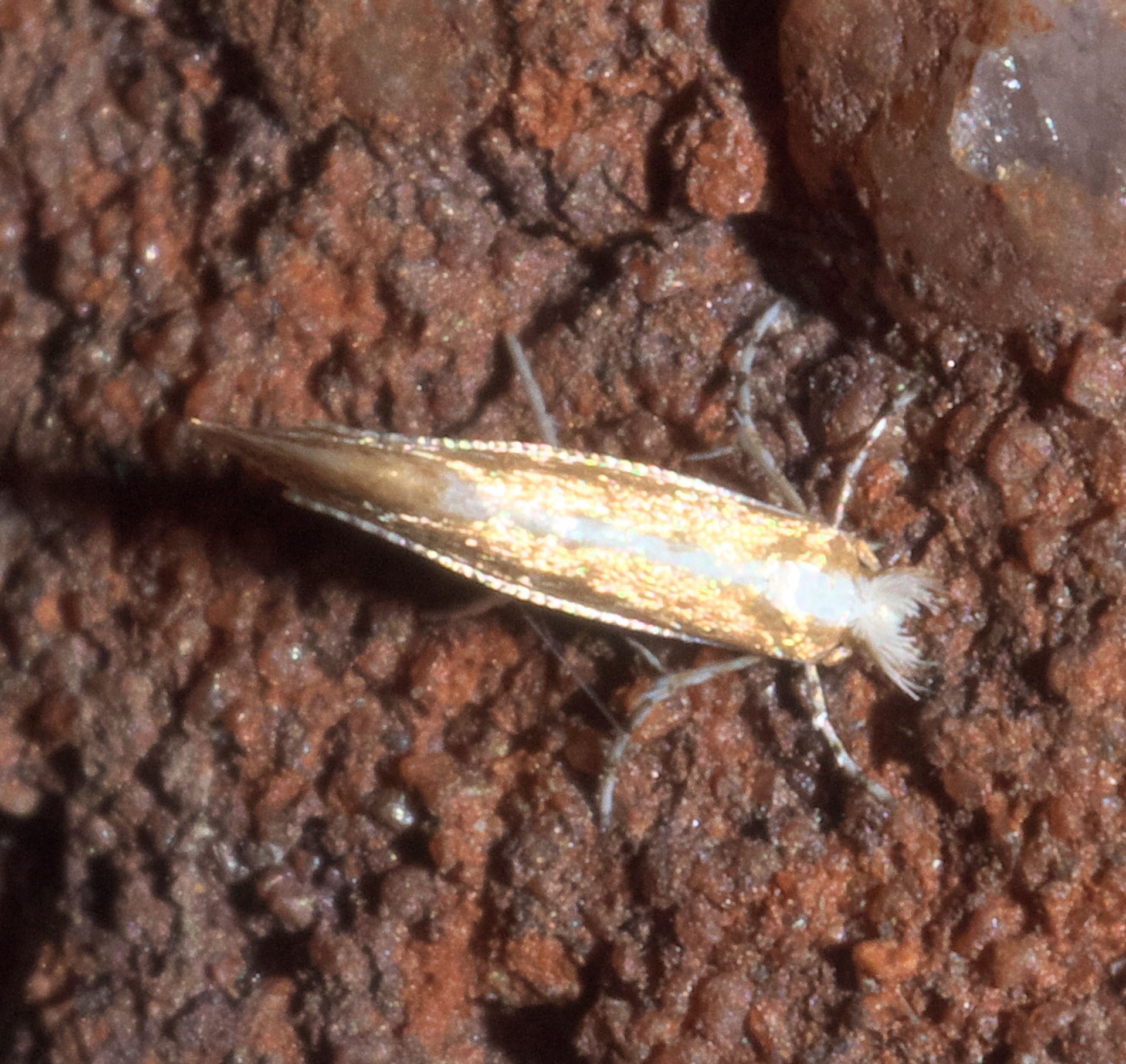
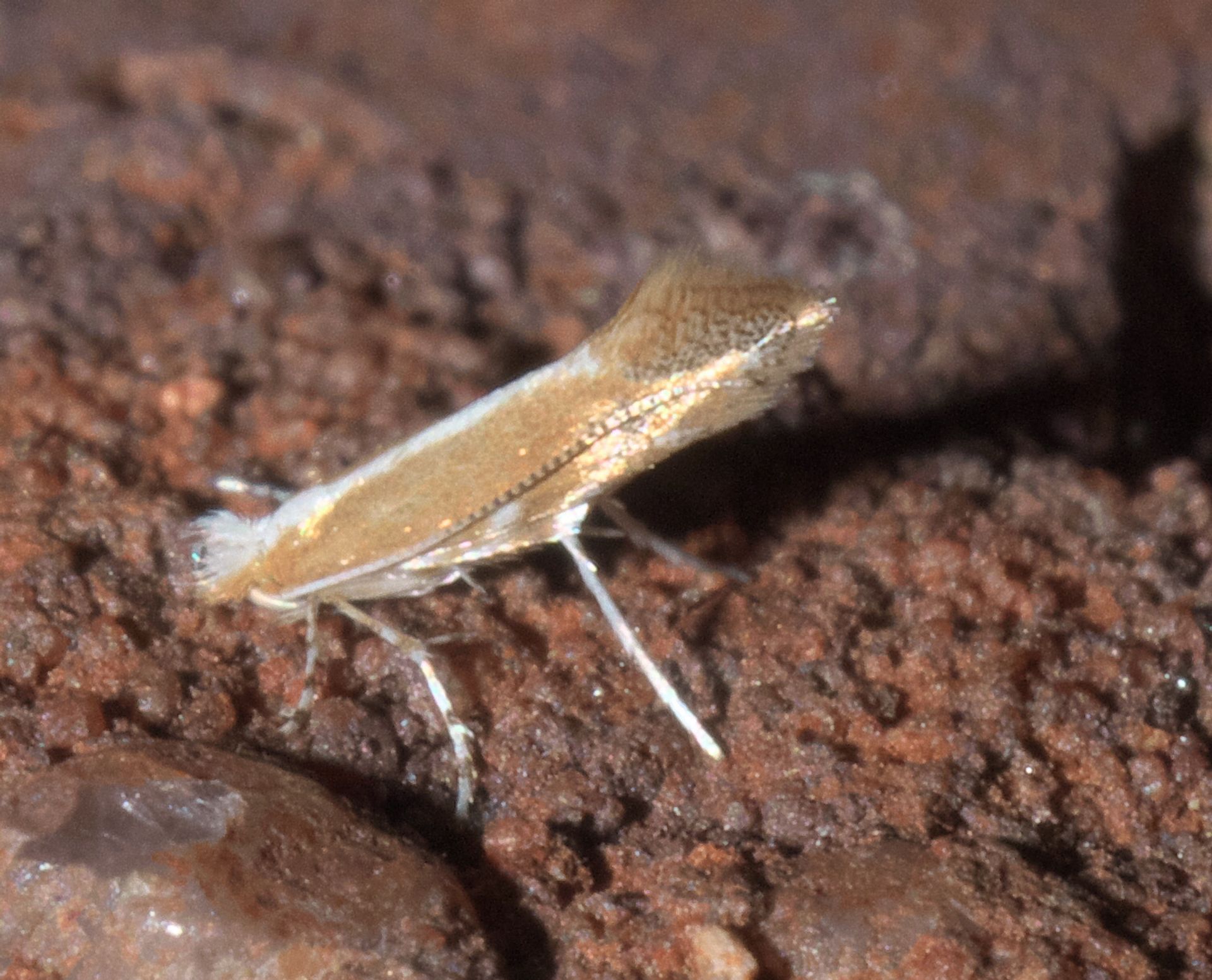
A small in the Gracillariidae with a wingspan of 7.5–9 mm. The larvae are leaf miners on Quercus . Recorded from ten U.S. states.
Pronunciation
How to pronounce Cameraria conglomeratella: /ˌkæməˈrɛriə kənˌɡlɒmərəˈtɛlə/
These audio files are automatically generated. While they are not always 100% accurate, they are a good starting point.
Identification
Distinguished from other Cameraria by genitalia examination and association with specific Quercus plants. The specific epithet 'conglomeratella' refers to the clustered or conglomerate nature of the mines. Leaf mines may show diagnostic patterns, but species-level identification of typically requires dissection.
Images
Appearance
Wingspan 7.5–9 mm. As a member of Cameraria, have narrow, forewings with characteristic patterning typical of the . Coloration and detailed patterning require specimen examination.
Habitat
Associated with oak-dominated where Quercus occur. Specific habitat preferences of are poorly documented.
Distribution
United States: Illinois, Kentucky, Texas, California, Florida, Georgia, Maryland, New Jersey, Ohio, and Virginia.
Diet
Larvae feed on Quercus : Quercus bicolor, Quercus chrysolepis, Quercus obtusifolia, Quercus obtusiloba, and Quercus virginiana. : feeding habits unknown.
Host Associations
- Quercus bicolor - larval leaf mine
- Quercus chrysolepis - larval leaf mine
- Quercus obtusifolia - larval leaf mine
- Quercus obtusiloba - larval leaf mine
- Quercus virginiana - larval leaf mine
Life Cycle
Larvae mine leaves of oaks. occurs within the mine or in soil. timing varies by region. Specific details of deposition, larval instars, and stage require further study.
Behavior
Larvae create blotch mines on oak leaves, often with multiple larvae feeding in adjacent or overlapping mines (the 'conglomerate' pattern). are and attracted to light.
Ecological Role
As a , larvae consume photosynthetic tissue of oaks. impacts on trees are generally minor. Serves as prey for and other natural enemies.
Human Relevance
Occasional curiosity for lepidopterists. Not considered a significant pest of oaks.
Similar Taxa
- Cameraria spp.Other oak-feeding Cameraria create similar mines; require genitalia dissection or association for reliable separation.
- Phyllonorycter spp.Also Gracillariidae leaf miners on oaks, but typically create tentiform (blister) mines rather than blotch mines.