Caloptilia suberinella
(Tengström, 1848)
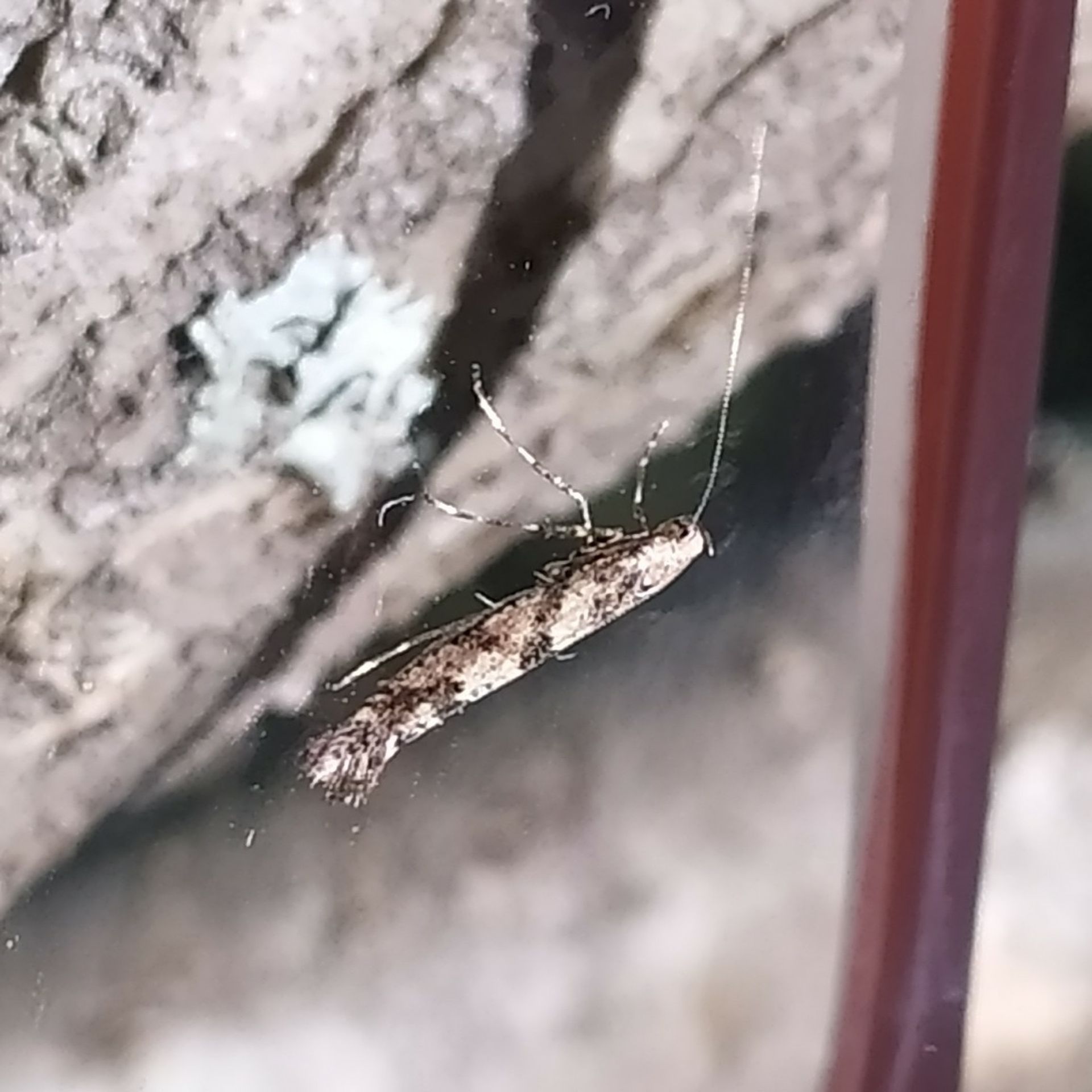
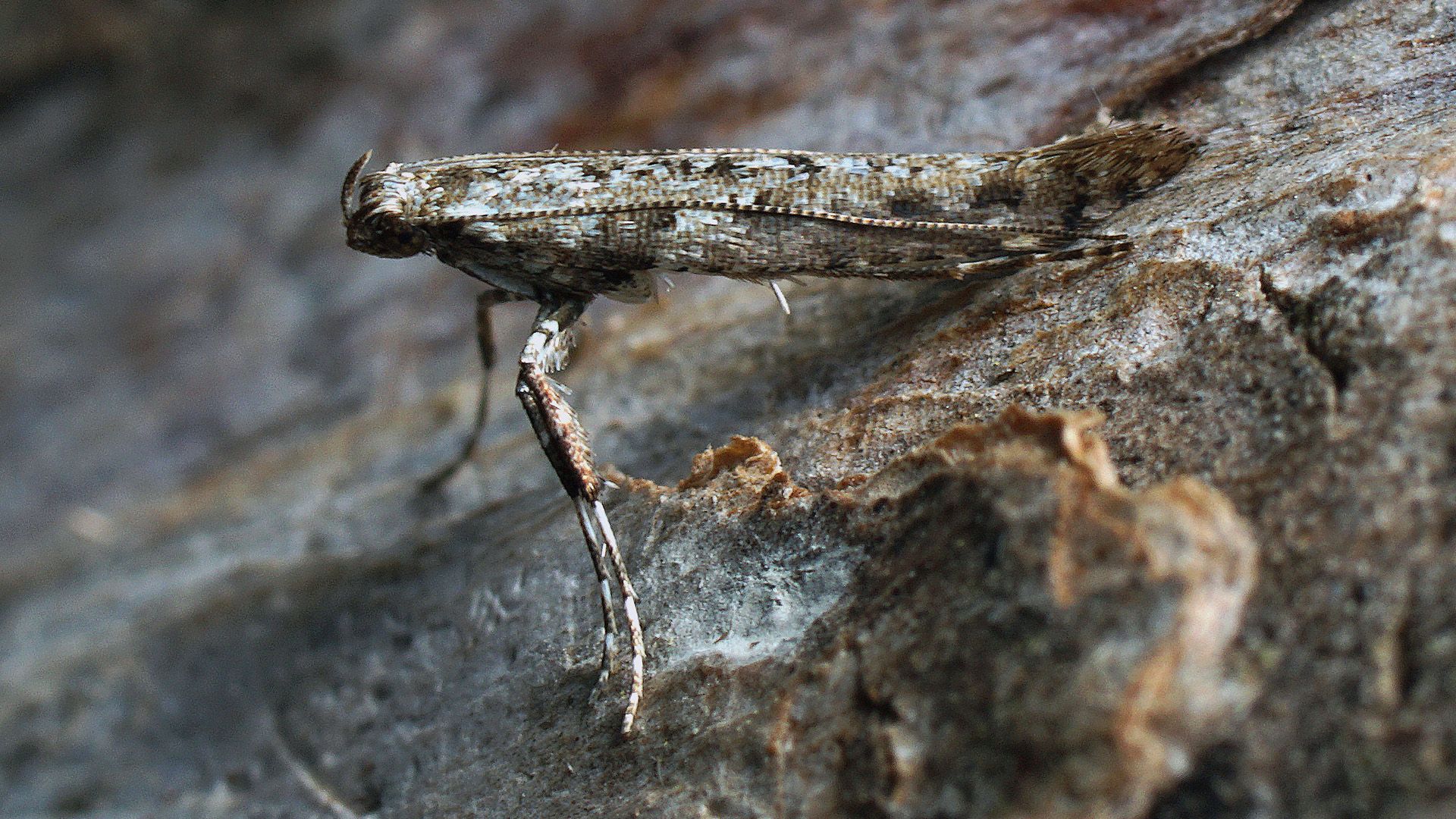
Caloptilia suberinella is a small in the , first described by Tengström in 1848. The has a Palearctic distribution across northern and central Europe, extending eastward through Russia to China, with a recent confirmed record from British Columbia in North America. Like other members of its , it likely has leaf-mining , though specific associations for this species remain undocumented. are and have been observed at ultraviolet light sources.

Pronunciation
How to pronounce Caloptilia suberinella: //ˌkæloʊˈptɪliə ˌsuːbɛrɪˈnɛlə//
These audio files are automatically generated. While they are not always 100% accurate, they are a good starting point.
Identification
The small size (14–15 mm wingspan) and characteristics place this among the microlepidoptera. It can be distinguished from other Caloptilia species only through examination of or molecular analysis; external is insufficient for reliable species-level identification within this . The recent North record from British Columbia requires verification against similar Caloptilia species.
Images
Appearance
Small with wingspan of 14–15 mm. Specific coloration and pattern details are not documented in available sources.
Habitat
Specific requirements are not documented. Based on the , likely associated with where larval leaf mining occurs.
Distribution
to Palearctic region: Netherlands, Sweden, Norway, Finland, Denmark, Germany, Switzerland, Poland, Latvia, Estonia, Ukraine, Russia, and China. Recently recorded from North America (British Columbia, Canada), representing either a natural range expansion or introduction. GBIF records also indicate presence in Alberta, Canada, and additional Russian localities (Altai Republic, Amur Oblast, Buryatia Republic).
Behavior
are and attracted to ultraviolet light. Specific behaviors are not documented for this .
Ecological Role
As a member of , likely function as on , creating feeding tunnels between leaf surfaces. This feeding mode has minor impacts on health but contributes to and provides food for .
Human Relevance
No documented economic or ecological impact. Not known to be a . Observations contribute to citizen science efforts such as National Week.
Similar Taxa
- Caloptilia blandellaSimilar size and ; both are North Caloptilia , though C. blandella is to eastern North America while C. suberinella is Palearctic in origin. Accurate identification requires genital dissection or .
- Other Caloptilia speciesThe Caloptilia contains numerous externally similar ; definitive identification relies on microscopic examination of structures or molecular markers.
More Details
Taxonomic history
Originally described as Gracilaria suberinella by Tengström in 1848, later transferred to Caloptilia. The has 80 observations recorded on iNaturalist as of the knowledge cutoff.
North American status
The British Columbia record represents a significant range extension. Whether this is established and reproducing, or represents transient individuals, requires further investigation. The presence in Alberta (per GBIF) suggests the may be more widespread in western Canada than initially recognized.