
Idaea asceta
(Prout, 1910)
Beautiful Wave
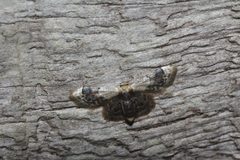
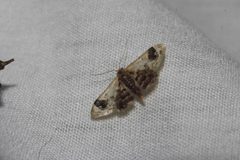
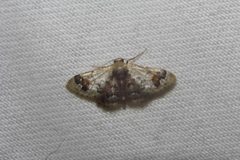
Idaea asceta, commonly known as the Beautiful Wave, is a of geometrid described by Louis Beethoven Prout in 1910. Originally placed in the Ptychopoda, it was later transferred to Idaea. The species belongs to the Sterrhinae, a group of small to medium-sized moths often referred to as "waves" due to their characteristic wing patterns. As a member of the diverse genus Idaea, which contains several hundred species worldwide, I. asceta represents one of many similar-looking that require careful examination for accurate identification.
Pronunciation
How to pronounce Idaea asceta: /ɪˈdaɪə əˈsiːtə/
These audio files are automatically generated. While they are not always 100% accurate, they are a good starting point.
Identification
Accurate identification of Idaea asceta requires examination of genitalia characters, as external is highly convergent with numerous . The exhibits the typical "wave" pattern of alternating light and dark transverse lines on the forewings common to many Sterrhinae. Definitive separation from similar Idaea species such as I. biselata (Small Fan-footed Wave), I. deversaria, and I. dimidiata (Single-dotted Wave) relies on subtle differences in wing pattern details, particularly the configuration of the discal spot and the degree of angulation of the transverse lines. Male genitalia feature a distinctive valva structure with specific spine arrangements on the sacculus; female genitalia show characteristic signum morphology in the corpus bursae. Specimens should be compared with reliably identified reference material or original description figures.
Images
Distribution
The has been recorded across parts of Europe and Asia, with occurrence data documented through citizen science platforms including iNaturalist. Specific distributional details require verification from primary taxonomic literature.
Similar Taxa
- Idaea biselata (Small Fan-footed Wave)Similar wing pattern with light ground color and dark transverse lines; distinguished by more pronounced double postmedian line and different genitalia
- Idaea dimidiata (Single-dotted Wave)Overlapping size range and general appearance; separated by presence of single prominent discal spot and less angled transverse lines
- Idaea rusticata atrosignariaDark forms can resemble I. asceta; requires genitalia examination for reliable separation
More Details
Nomenclatural history
The was originally described as Ptychopoda asceta by Prout in 1910. The Ptychopoda has since been synonymized with Idaea, resulting in the current combination. The basionym Ptychopoda asceta is retained in taxonomic databases for nomenclatural tracking.
Taxonomic challenges
The Idaea presents significant identification challenges due to high , morphological convergence, and frequent occurrence of . Molecular data increasingly supplement traditional -based identification, though comprehensive barcode coverage for I. asceta specifically may be limited.