
Xanthorhoe abrasaria
(Herrich-Schäffer, 1856)
Northern Carpet
A small geometrid with a 21–24 mm wingspan, found across northern Eurasia and North America. fly in July with one annually. The was first described by Herrich-Schäffer in 1856 and includes several recognized across its range.


Pronunciation
How to pronounce Xanthorhoe abrasaria: //zænˈθɔːroʊ ˌæbrəˈsɛəriə//
These audio files are automatically generated. While they are not always 100% accurate, they are a good starting point.
Identification
Distinguished from similar Xanthorhoe by geographic distribution in northern regions and specific wing pattern details. The combination of small size (21–24 mm wingspan), July period, and northern helps separate it from related carpet moths. identification requires examination of genitalia and geographic origin.
Images
Appearance
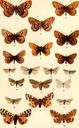
Small with wingspan of 21–24 mm. Wing pattern and coloration typical of the Xanthorhoe, with characteristic carpet moth markings.
Habitat
Found in northern Palearctic and Nearctic regions. Specific microhabitat preferences not well documented in available sources.
Distribution
Northern (Europe and northern Asia excluding China) and . In North America, recorded from Alberta, Manitoba, and Saskatchewan in Canada.
Seasonality
active in July. One per year ().
Diet
Larvae feed on Galium (bedstraws). feeding habits not documented.
Host Associations
- Galium - larval plantLarvae recorded feeding on Galium
Life Cycle
Single per year. emerge in July. Larval development occurs on Galium plants; pupal stage and details not documented.
Ecological Role
Larval herbivore on Galium . Specific functions not documented.
Similar Taxa
- Other Xanthorhoe speciesSimilar carpet moth appearance and patterning; distinguished by size, period, and geographic range
More Details
Subspecies
Four recognized: X. a. abrasaria (Europe), X. a. congregata (North America), X. a. trilineata (North America), and X. a. aquilonaria (North America)