Hydriomena transfigurata
Swett, 1912
Transfigured Hydriomena Moth
Hydriomena transfigurata is a small geometrid native to North America. The is broadly distributed across eastern and central regions of the continent, from Canada to the southeastern United States. are active primarily in spring and early summer, with larvae specializing on pine .
Pronunciation
How to pronounce Hydriomena transfigurata: /haɪˌdriːoʊˈmiːnə ˌtrænzfɪˈɡjʊrətə/
These audio files are automatically generated. While they are not always 100% accurate, they are a good starting point.
Identification
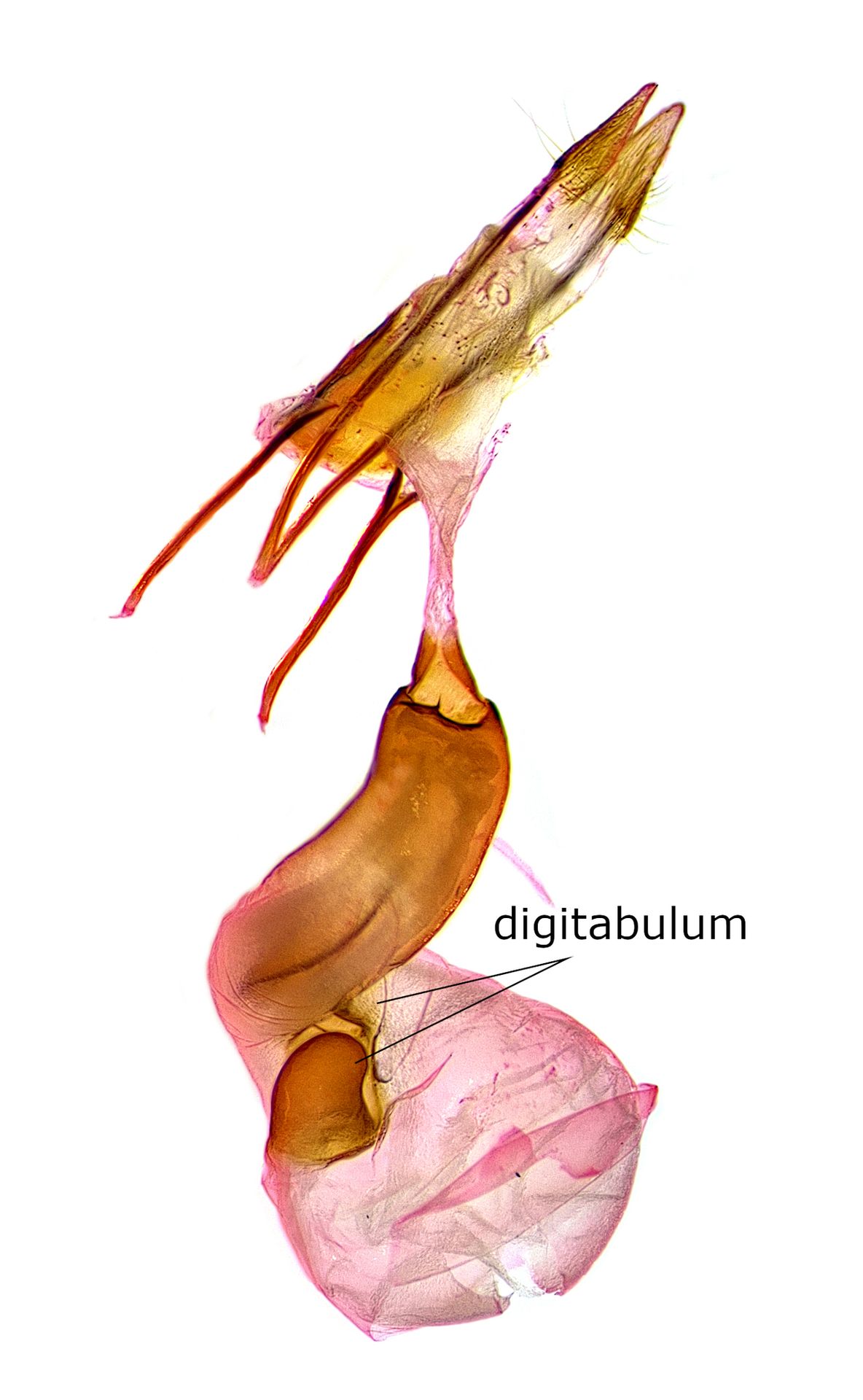
Distinguished from other Hydriomena by combination of size, gray-brown ground color with relatively subdued patterning, and geographic range. Similar species H. ruberata and H. nubilofasciata overlap in range but tend to show more contrasting or reddish-brown tones. Genitalia examination may be required for definitive identification.
Images
Appearance
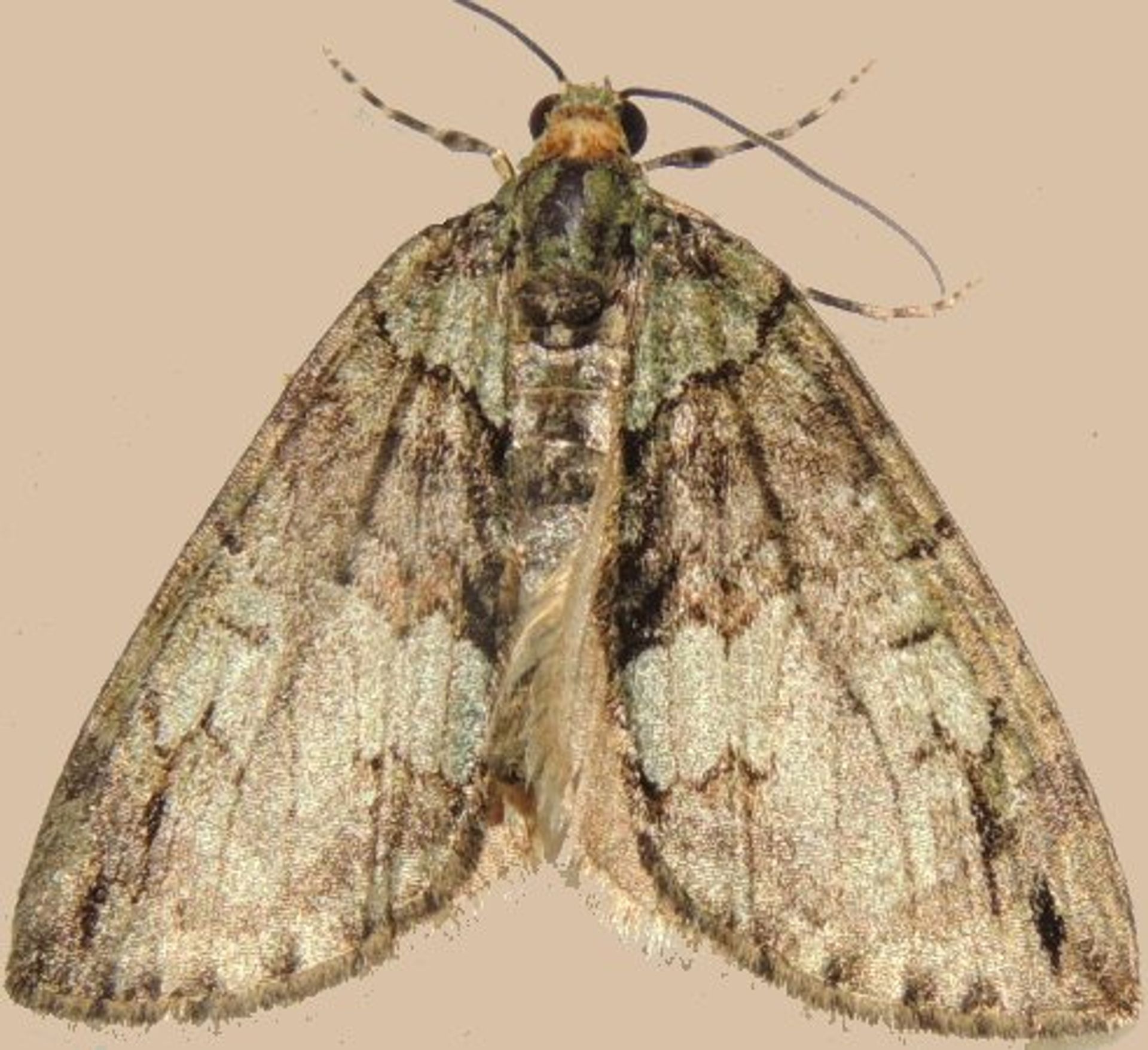
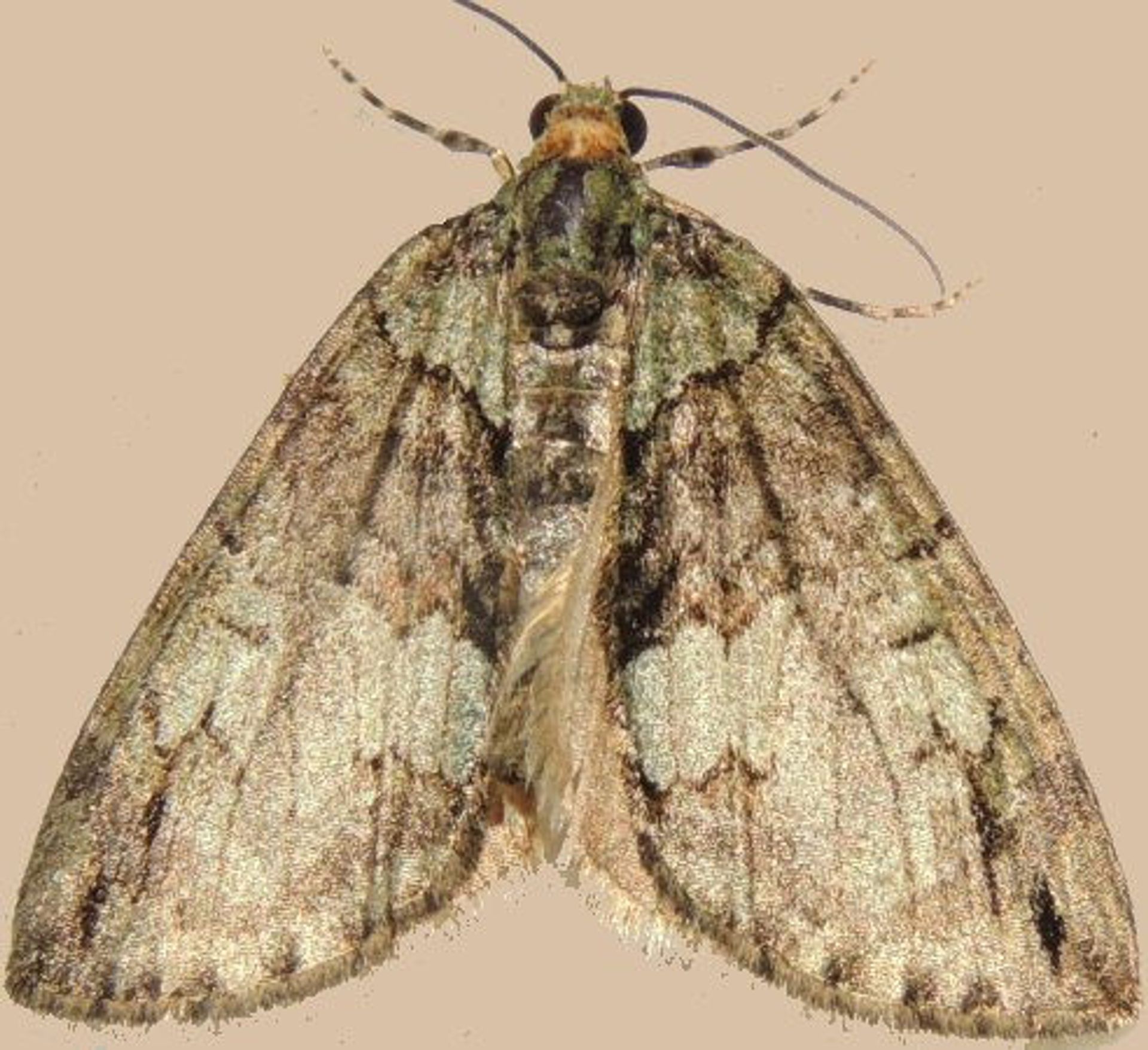
Wingspan 26–33 mm. forewings are gray-brown with variable darker markings and a slightly angled outer margin. Patterning includes diffuse transverse lines and often a small discal spot. Hindwings are paler, more uniform gray. Overall appearance is cryptic, matching bark and lichen substrates.
Habitat
Coniferous and mixed forests, particularly areas with pine presence. are found in woodland settings including pine barrens, forest edges, and suburban areas with pine plantings.
Distribution
North America: recorded from Alberta, Manitoba, Ontario, Quebec, New Brunswick, Nova Scotia, Newfoundland (Canada); and Maine, New Hampshire, Vermont, Massachusetts, New York, New Jersey, Maryland, West Virginia, Virginia, North Carolina, South Carolina, Georgia, Florida, Kentucky, Indiana, Ohio, Wisconsin, Minnesota, Iowa, Missouri, Oklahoma (United States). Absence of records from western United States suggests eastern/midcontinental distribution.
Seasonality
recorded February through August, with peak activity March to June. This extended period suggests possible partial second or staggered in southern portions of range, though this has not been confirmed.
Diet
Larvae feed on Pinus (pines). Specific pine species used as have not been documented.
Host Associations
- Pinus - larval food plant-level association only
Behavior
are and attracted to light. Larval undescribed; presumably free-feeding on pine needles based on related Hydriomena .
Ecological Role
Larval herbivore on conifers; contributes to nutrient cycling in pine-dominated . Specific ecological impacts unknown.
Human Relevance
No significant economic or cultural importance. Occasionally encountered by naturalists and in light-trap surveys.
Similar Taxa
- Hydriomena ruberataOverlapping range and similar size; distinguished by more reddish-brown forewing coloration and more distinct pattern elements
- Hydriomena nubilofasciataSimilar gray-brown appearance; separated by more prominent dark banding and different wing shape
More Details
Taxonomic authority
Described by Swett in 1912.