Hydriomena ruberata
(Freyer, [1831])
ruddy highflyer
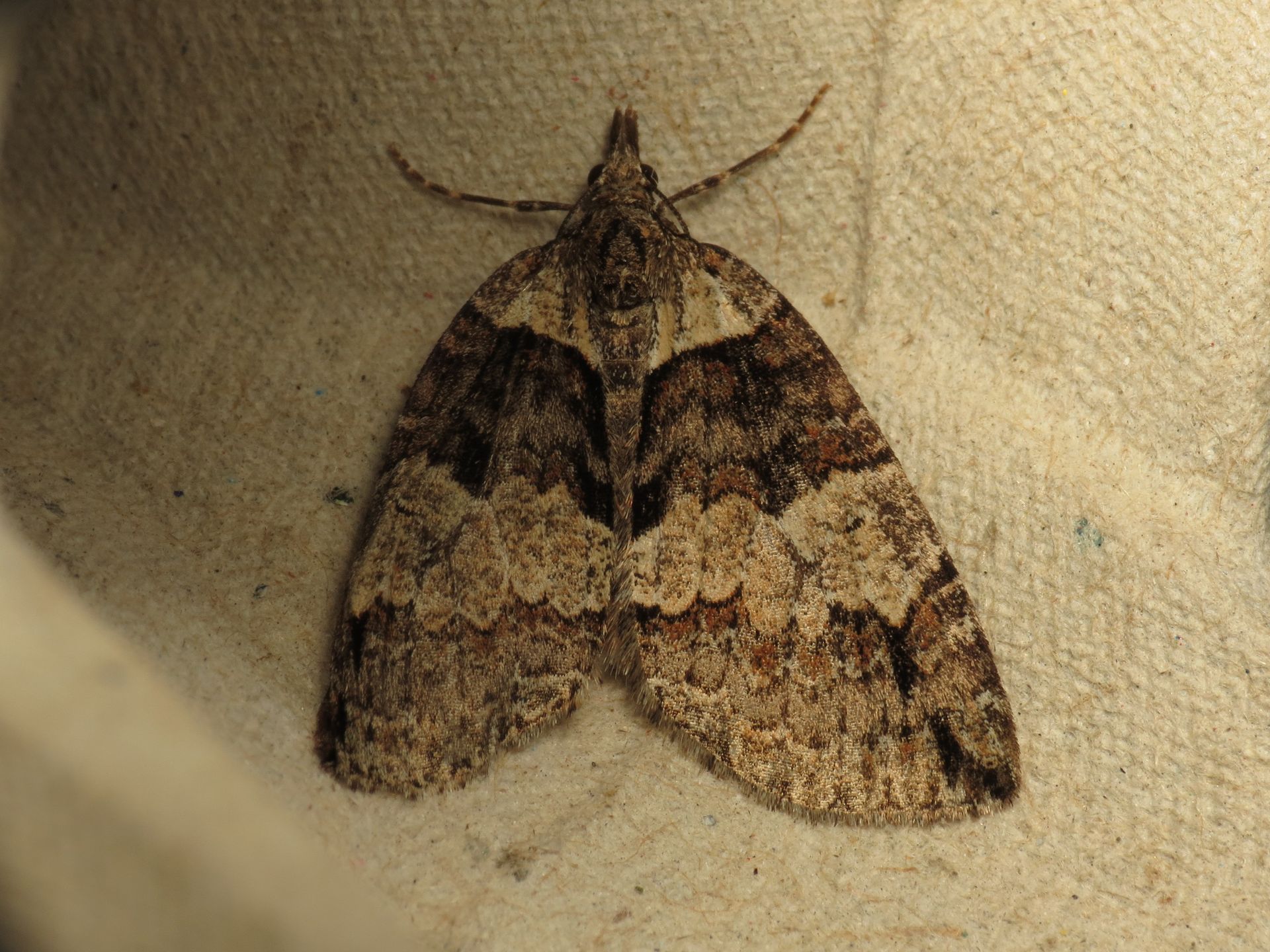
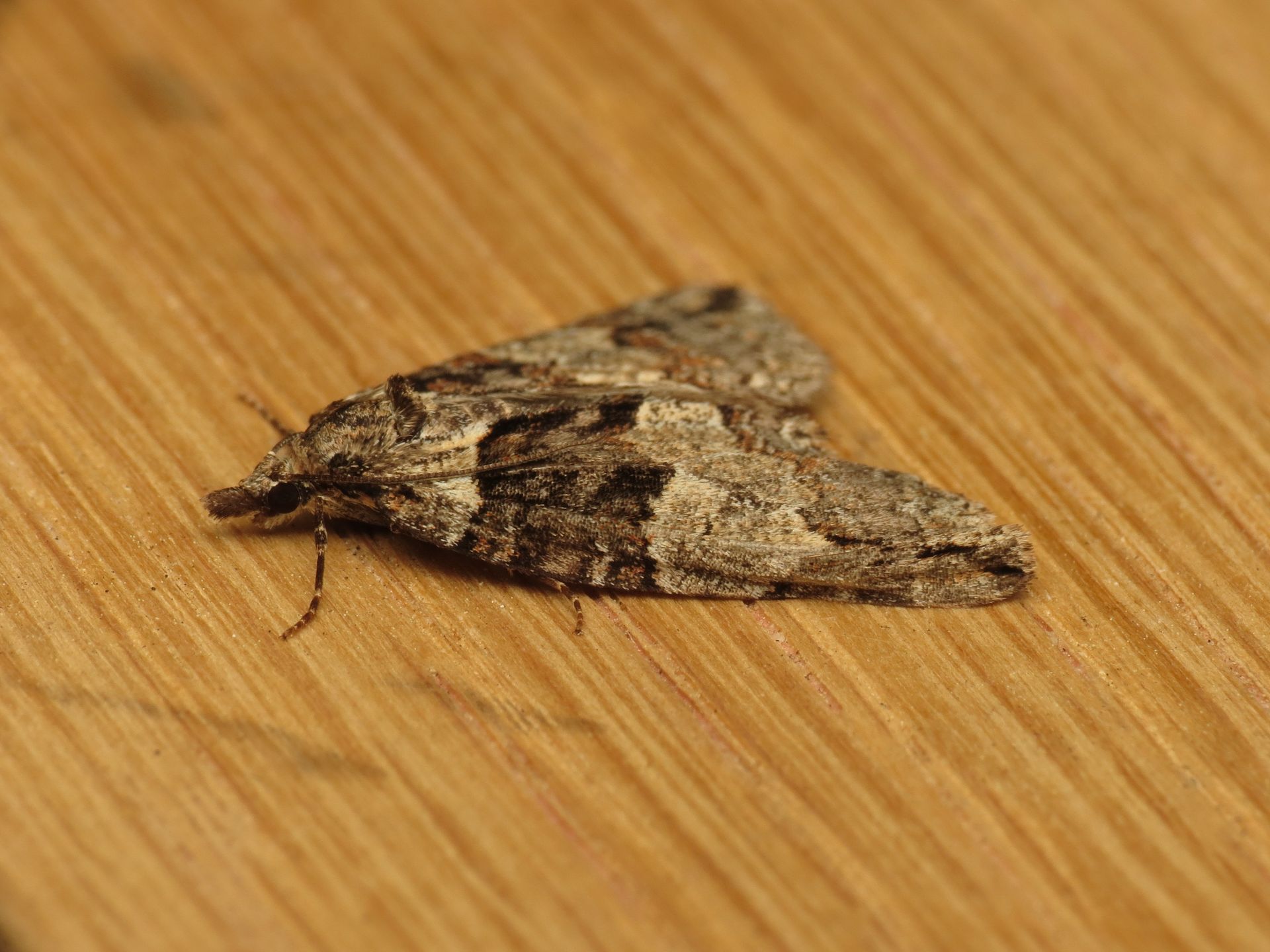
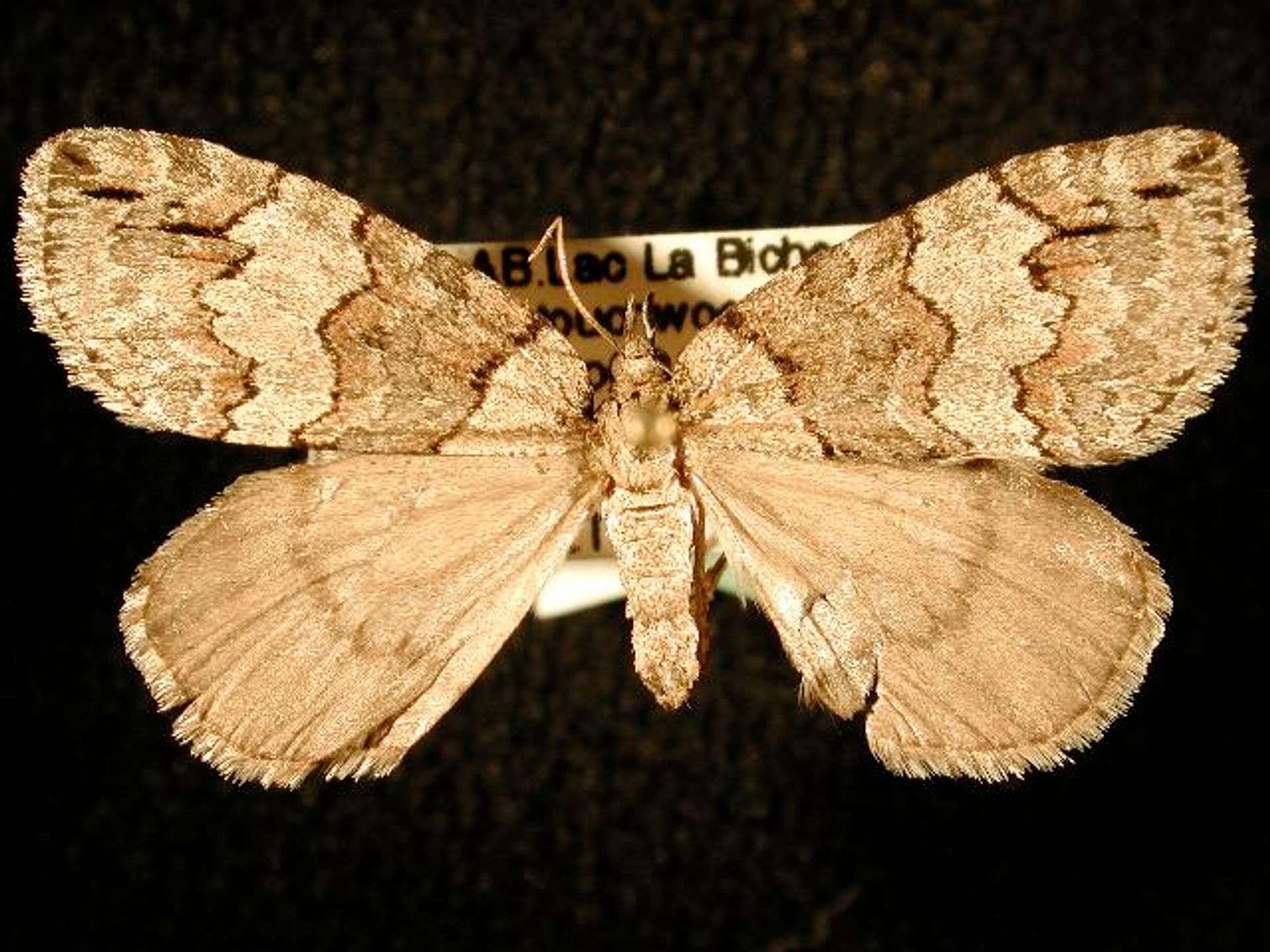
Hydriomena ruberata, known as the ruddy highflyer, is a geometrid distributed across Europe, northwestern Russia, the Alps, and North America. fly from mid-May to July with a single . The is distinguished from its close relative Hydriomena impluviata by its prevalent reddish or rust-colored wing tones and specific wing pattern characteristics. Larvae feed on Salix (willow) species and overwinter as pupae.
Pronunciation
How to pronounce Hydriomena ruberata: /haɪˌdriːoʊˈmiːnə ruːˈbeɪtə/
These audio files are automatically generated. While they are not always 100% accurate, they are a good starting point.
Identification
Distinguished from Hydriomena impluviata by the greater of reddish or rust-colored tones on the wings, the variable subbasal line often strongly angled in the , and the antemedian rust-colored band frequently ending in a conspicuous black spot at the hindmargin. The black line on the first radial in the area is generally strong, whereas in H. impluviata this is less pronounced. The black streak is generally more conspicuous in H. ruberata.
Images
Appearance
Wingspan 29–37 mm. Forewings display a greater of reddish or rust-colored tones compared to related . Subbasal line variable, often strongly angled in the , sometimes thickened at the angle and again at the hindmargin. Antemedian rust-colored band often ends in a conspicuous black spot at the hindmargin. In the area, the black line on the first radial is generally strong, while those on the 5th subcostal and second radial are rarely so. Black streak generally conspicuous. Name-type form is grey with sharply marked pattern and rust color reduced to four narrow, inconspicuous bands.
Habitat
Associated with willow (Salix) , including areas supporting S. phylicifolia and S. aurita. Found in environments ranging from Ireland and Great Britain east to northwestern Russia, south to the Alps, and in North America.
Distribution
Ireland, Great Britain, east to northwestern Russia, south to the Alps, and North America. Present in Belgium including the Walloon Region and Liège province.
Seasonality
on wing from mid-May to July. One per year. Larvae present from June to September. Overwinters as pupa.
Diet
Larvae feed on Salix , specifically including Salix phylicifolia and Salix aurita.
Host Associations
- Salix phylicifolia - larval food plantdocumented
- Salix aurita - larval food plantdocumented
Life Cycle
One per year. emerge mid-May to July. hatch and larvae feed June through September. Overwinters as pupa. Larva described as relatively powerful with a few short bristles, light reddish grey-brown in color.
Ecological Role
Herbivore in willow-dominated ; larval feeding on Salix contributes to nutrient cycling and plant dynamics.
Similar Taxa
- Hydriomena impluviataVery similar in overall appearance; distinguished by lesser reddish/rust tones, weaker black line on first radial, and less conspicuous black streak. H. ruberata has more prominent rust-colored antemedian band often ending in black spot at hindmargin.
More Details
Nomenclature
Originally described as Acidalia ruberata by Christian Friedrich Freyer in 1831.