
Anticlea multiferata
(Walker, 1863)
Many-lined Carpet Moth, many-lined carpet
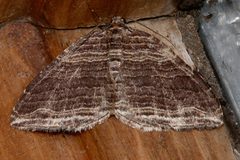
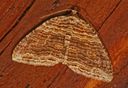
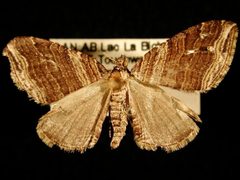
Anticlea multiferata, commonly known as the many-lined carpet moth, is a small geometrid with a wingspan of 19–25 mm. It is one of the most widely distributed North American carpet moths, occurring from the Arctic through temperate regions. The shows pronounced geographic variation in timing, with southern active in spring and northern populations active in early summer.
Pronunciation
How to pronounce Anticlea multiferata: /ænˈtɪkliə ˌmʌltɪfəˈreɪtə/
These audio files are automatically generated. While they are not always 100% accurate, they are a good starting point.
Identification
Distinguished from similar carpet moths ( Anticlea and related genera) by the combination of: small size (wingspan under 26 mm); presence of numerous fine, wavy transverse lines on both wing pairs rather than bold bands or spots; and uniform muted coloration without strong contrasting patches. Examination of genitalia may be required for definitive separation from congeneric .
Images
Habitat
Associated with open, disturbed where larval plants grow. Found in meadows, roadsides, riverbanks, and other areas supporting Epilobium (willowherbs) and Polygonum .
Distribution
Transcontinental in North America. Recorded from Alaska and Arctic Canada south through all Canadian provinces and contiguous United States. Distribution records confirmed from Alberta, Manitoba, Saskatchewan, and Vermont.
Seasonality
period varies geographically: April–May in southern portions of range; May–July in northern portions; overall range April–August. Single per year inferred from flight pattern.
Diet
Larvae feed on Epilobium (willowherbs, fireweeds) and Polygonum aviculare (knotweed). feeding habits unknown.
Host Associations
- Epilobium - larval food plantMultiple used
- Polygonum aviculare - larval food plantKnotweed
Life Cycle
Complete with , larva, pupa, and stages. Larval stage feeds on herbaceous plants. stage not documented in available sources.
Ecological Role
Larval herbivore on early successional plants. May facilitate nutrient cycling in disturbed through consumption of weedy vegetation.
Similar Taxa
- Other Anticlea speciesShare carpet moth and fine-lined wing patterns; require genital examination or association data for reliable separation
- Xanthorhoe speciesSimilar size and wing pattern; distinguished by more contrasting color patches and different line arrangements
More Details
Taxonomic history
Originally described as Camptogramma multiferata by Francis Walker in 1863; later transferred to Anticlea. Basionym Camptogramma multiferata Walker, 1863.